


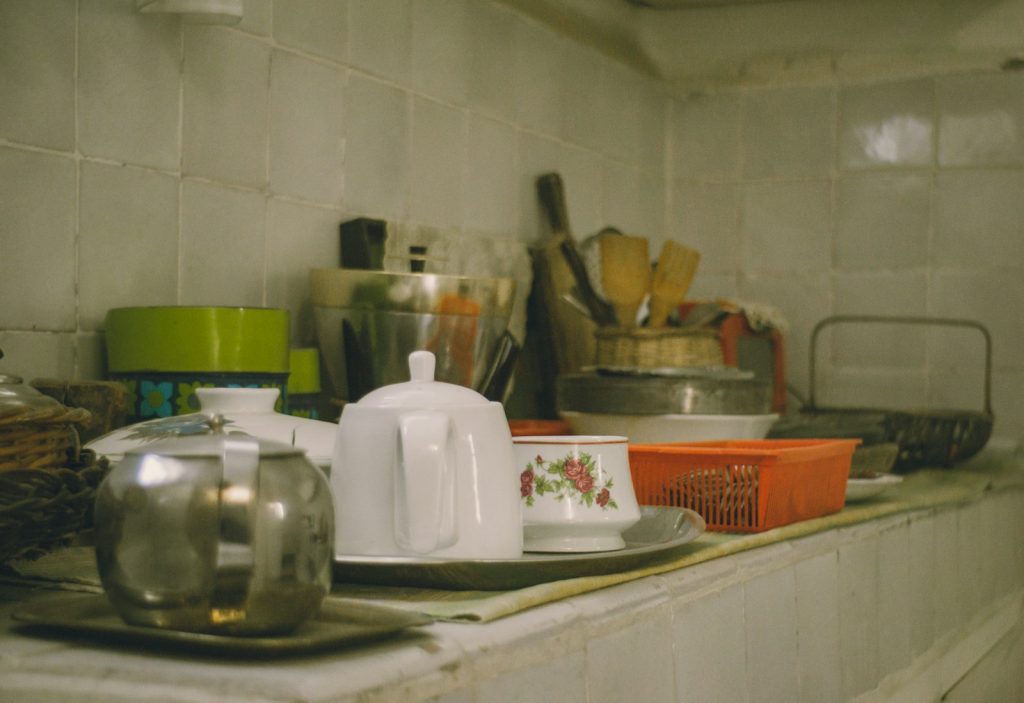
Growing up with limited resources shapes many parts of your life, especially the things you keep and how you organize your space. Even if your financial situation has changed, some habits and choices rooted in those early experiences often stick around.
These signs can quietly show up in your home long after your childhood, reflecting the lessons and attitudes you developed while growing up poor. Recognizing them can help you understand the lasting impact your past has on your daily life.
Keeping mismatched or worn-out furniture way past its prime
You probably hang onto furniture long after it shows visible signs of wear. Cracks, loose joints, or faded fabric don’t bother you as much as they might others. It’s not about style—it’s about making do with what you have.
Your furniture might be a mix of different pieces because replacing the whole set isn’t an option. Sometimes, it’s just easier to keep something that works rather than start fresh. This habit sticks around even when your space changes.
Stockpiling non-perishable foods like canned beans and pasta
You probably have a stash of canned beans, pasta, or rice tucked away somewhere in your kitchen. It’s a habit from growing up with scarcity—always having something to fall back on.
Non-perishable foods like these last a long time and don’t spoil easily, so you keep them around just in case. Your shelf is likely stocked with basics you can turn into a quick meal without much fuss.
You may also notice how you organize these items carefully, rotating older cans or boxes to avoid waste. It’s a practical way to stretch resources, shaped by knowing the value of every bite.
Having a crazy coupon collection you actually use
You probably have a stash of coupons that’s way more organized than most people’s grocery lists. It’s not just about saving a few bucks—it’s a habit you picked up early on.
Using coupons regularly became second nature, so you don’t let them expire or go to waste.
Your coupon collection isn’t just random; it’s carefully sorted by store or expiration date. You might even find yourself excited about a good deal, which surprises people who didn’t grow up this way.
Deep down, using coupons feels like a smart way to stretch your resources, even if money isn’t tight anymore.
Shopping clearance racks before anything else
If you grew up poor, you probably learned early on that clearance racks weren’t just an option—they were a necessity. You get used to hunting for the best deals before considering regular-priced items.
This habit sticks with you. Even now, you might find yourself scanning sale bins or waiting for discounts before buying something.
It’s all about stretching your budget and making every dollar count. Clearance racks become a familiar, comforting part of how you shop.
A kitchen drawer full of random Tupperware lids with no matching containers
You probably know the frustration of digging through a drawer packed with lids that don’t match any container. It’s like a puzzle you never signed up for. This happens when you hold on to everything, just in case it might come in handy someday.
You keep those lids because tossing anything feels wasteful. But over time, they pile up without their container partners. It’s a common sign of growing up with limited resources—making the most of what you have, even when it gets messy.
Using old towels and blankets for cleaning instead of buying new rags
If you grew up watching every towel and blanket get used until it was practically threadbare, this habit probably stuck with you. Instead of tossing out old towels, you turn them into cleaning rags for spills, dusting, and scrubbing.
You don’t need to buy special cloths when you have a stash of worn-out towels or blankets ready to be cut up. It’s a simple, money-saving way to reuse what you already own.
Plus, those old fabrics are great because they’re super absorbent and durable. They handle messy jobs without worry, which makes cleaning less of a hassle and keeps waste out of the trash.