

You know the thrill of a paintbrush and the instant refresh it brings, but some older pieces demand more caution before you reach for that can. This article shows which seven antique and vintage furniture items you should think twice about painting so you can protect value, craftsmanship, and historical character.
As you move through the list, you’ll get clear reasons to pause and options to consider instead of a quick coat of paint. Expect practical guidance that helps you decide whether to preserve, restore, or carefully update each piece.

Antique oak armoire (pre-1920)
You should think twice before painting an antique oak armoire because its grain, patina, and original finish hold much of its character and value.
Stripping or covering that finish removes historical clues like joinery and tool marks that help date the piece.
If the surface needs repair, consider gentle conservation or a clear finish to protect the wood while preserving appearance.
A trained restorer can advise whether repair, cleaning, or selective touch-up keeps your armoire both usable and authentic.
For identification tips and value guides, consult an Antique Armoire Wardrobe Value & Identification Guide.
Mahogany Victorian dresser with original finish
You should think carefully before painting a mahogany Victorian dresser that still wears its original finish. The warm grain and patina often show craftsmanship and age you can’t recreate.
If the finish is intact, light cleaning and preservation usually add more value than a fresh coat of paint. Learn to spot honest Victorian pieces and original finishes to protect your investment; a collector’s guide can help with identification and care (https://ashen-glide.com/blog/article1.html).
Mid-century modern teak credenza (solid teak)
If you own a solid teak mid-century credenza, pause before painting; the grain and warm tones are central to its character. Restoring teak preserves value and showcases craftsmanship you’d lose under paint.
You can refresh finish, remove stains, or oil the wood to revive its color without covering the natural beauty. For examples and sourcing, explore vintage teak credenzas on sites like Chairish’s teak collection.
Hand-carved walnut dining table (family heirloom)
If this table belonged to your family for generations, think twice before painting it. The hand-carved details and solid walnut grain add monetary and sentimental value that paint can hide.
You can refresh finish or repair scratches while preserving the original carving and wood tone. Consider a professional refinisher or a light-sanding and oiling to maintain the heirloom character.
See examples of intricately carved walnut dining furniture for reference, such as this hand-carved solid walnut dining table listing.
Hand-painted French provincial chest of drawers
You should think carefully before painting a hand-painted French provincial chest of drawers. The original brushwork, patina, and decorative motifs often add value and character you can’t recreate.
If the paint is flaking or damaged, consider conservation or gentle cleaning rather than full repainting. For inspiration and examples of these pieces, browse curated listings like this collection of antique hand painted French furniture.
Antique gilt mirror frame with original gilding
If the frame still has its original gilding, think twice before painting it. You’ll lose historical finish and reduce value that careful collectors seek.
Original gold leaf often shows subtle wear and toning that adds character. Small conservation cleaning or in-painting repairs preserve that patina without covering it.
Consult a conservator for advice on stabilizing loose gilding or matching leaf, and consider reversible touch-ups rather than irreversible paint. Learn more about frame restoration and gilding techniques at the Conservation Center’s page on frame conservation and gilding.
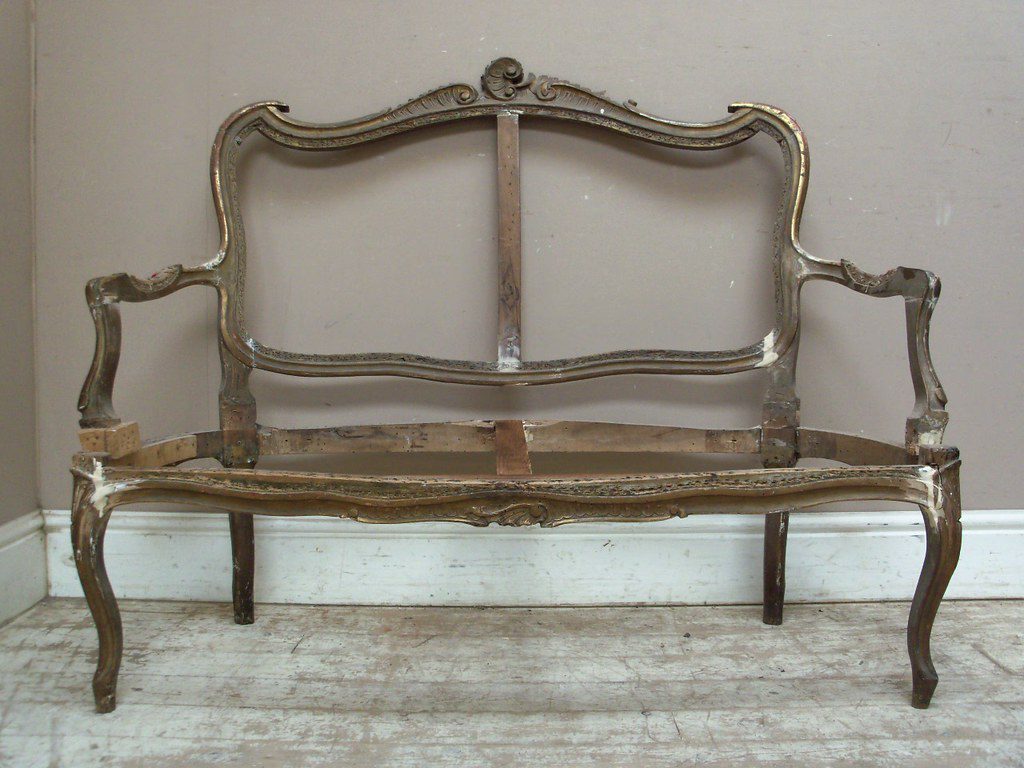
Vintage upholstered settee with historic fabric
If your settee still has original or period fabric, think twice before painting the frame. You risk reducing the piece’s historical and monetary value if the textile is intact.
You can clean and stabilize old upholstery without altering its character. For identification tips and restoration guidance, consult an antique settee identification guide like this one for styles, frames, and upholstery clues.