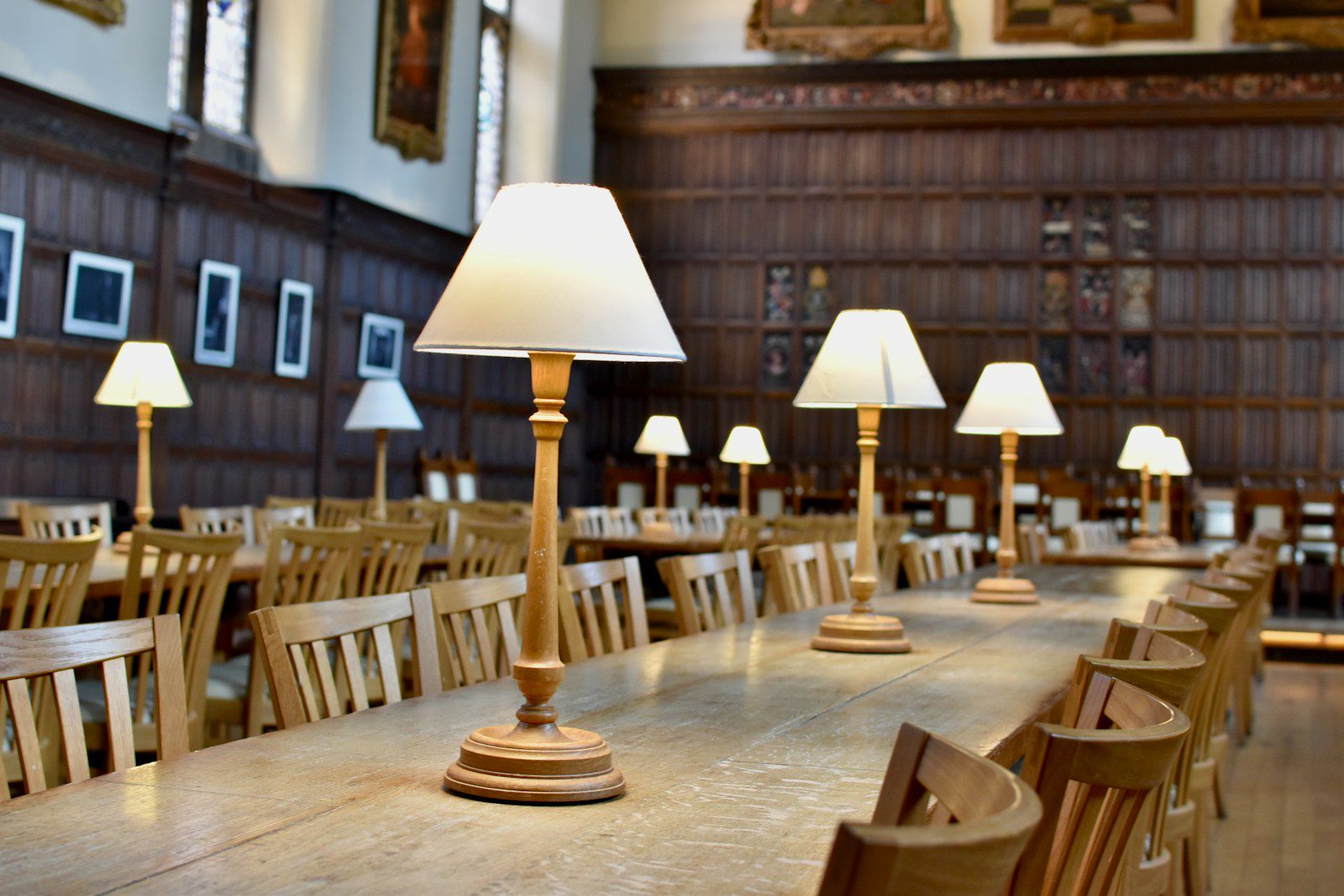
Old lamps have a way of ending up curbside during a cleanout simply because they don’t match anything else in the house anymore. Outdated shades and tarnished bases make them easy to overlook as decor rather than potential collectibles.
But lighting has its own dedicated collector market, and certain vintage lamp styles are worth real money to the right buyer. Check for these seven types before setting a lamp out with the trash.
Stained Glass Shade Lamps
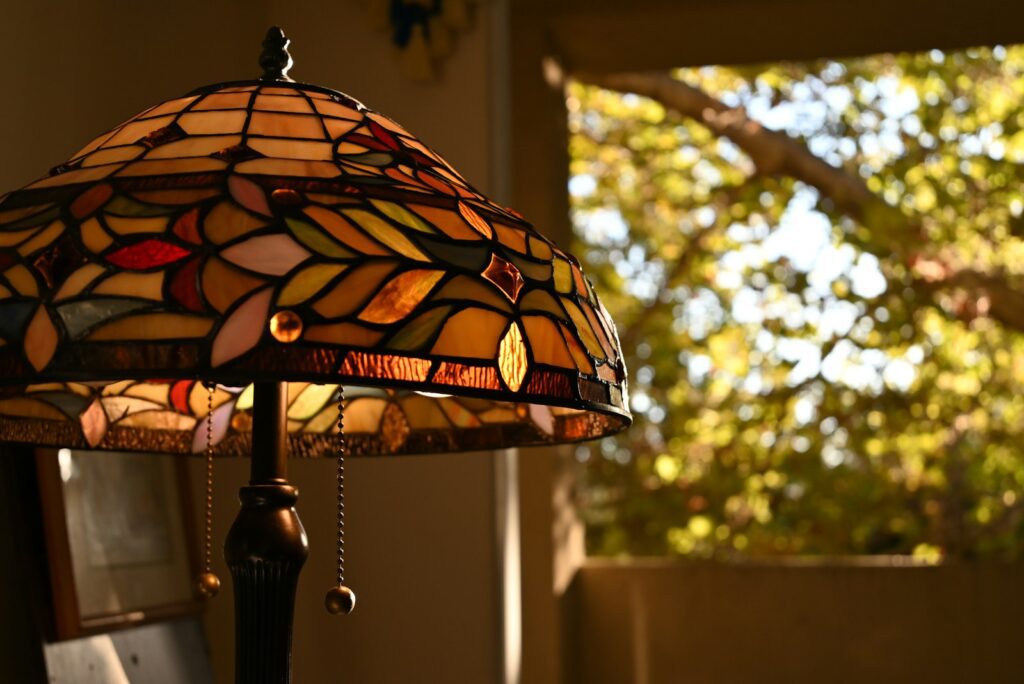
A lamp with a colorful shade built from many small pieces of glass deserves research before you write it off as a decorative reproduction. Tiffany Studios turned to lamps in 1898, and each shade was unique because craftsmen picked the individual pieces of glass by hand. Genuine antique leaded glass lamps can be worth a considerable amount, and well-made vintage tribute pieces have collector value too, though telling the two apart takes a trained eye, according to antique trade publications. That same guide puts genuine Tiffany lamps anywhere from $4,000 to more than $1 million.
Start with the base. Antique Trader describes authentic ones as hollow bronze with a heavy lead ring inside, while reproductions use brass, zinc, white metal, resin or plastic. Look for a brownish or greenish patina from age and a maker’s mark on the base or shade rim. Then rub a piece of the glass: real color is embedded and stays put, while painted color comes off. If the signs line up, get an appraisal.
Milk Glass Table Lamps
Opaque white glass lamp bases, sometimes with relief patterns like grapes, leaves, hobnail bumps or geometric shapes, were popular for decades and are collected today for their soft, cottage-style charm. Because milk glass was produced by many manufacturers over a long period, age and maker both affect value, so examine the underside of the base and the metal fittings for a stamped or molded mark. Many pieces carry no mark at all, which leaves pattern and quality to do the talking.
Run a fingertip around the rim, the foot and every raised pattern to find chips and hairline cracks, which hide well on white glass. Crisp, sharply molded detail usually points to better production than soft, blurry detail. A lamp with its original wiring intact and a harp and finial matching the era adds to overall desirability, but do not plug in a brittle or cracked cord just to test it. Matching pairs sell more easily than singles.
Mid-Century Atomic and Starburst Lamps
Sculptural lamps with dramatic geometric shapes, fiberglass shades, or a starburst-style design are a defining piece of mid-century modern decor, and interest in this look has grown among collectors and interior designers alike. Original fiberglass or spun acrylic shades in undamaged condition boost a lamp’s appeal, since these materials yellow, crack and stain over time. Keep the shade even if it looks tired. Buyers would rather have a worn original than a new replacement, and the stitched lacing around the rims is part of the look.
Turn the lamp over before deciding. Makers often put a paper label or foil sticker under the base, on the socket shell or inside the shade, and a readable label makes the lamp far easier to identify and price. Note the materials too: walnut or teak, brass rods and glazed ceramic are all good signs. A working original socket and cord, or at least an easily restorable one, matters to buyers who want functional vintage lighting.
Solid Brass Table and Floor Lamps
Heavy brass lamps, especially those with a substantial base and classic column or urn shapes, have a lasting appeal that keeps certain vintage brass lamps in demand at estate sales and antique shops. Genuine solid brass feels notably heavier than a brass-plated imitation of similar size, but weight alone can fool you, because many lamps hide an iron weight inside the base.
A refrigerator magnet is the quickest check. It will not stick to brass, so a firm pull means plated steel or iron. Since plated zinc is not magnetic either, follow up with a polish test on an inconspicuous spot, such as the underside of the base. Solid brass stays yellow as you rub, while thin plating wears through to a gray or silvery metal underneath.
Resist polishing the whole lamp before you sell it. Plenty of buyers prefer an aged, mellow surface, and metal polish can strip an original lacquer coat unevenly. Dust it and photograph any stamped name on the hardware.
Art Deco Figural Lamps
Lamps featuring sculpted figures, often a stylized human or animal form built into the base, were a hallmark of the Art Deco period and remain popular with collectors of decorative arts from that era. Many are made of spelter, a zinc alloy often finished to resemble bronze. Handle these carefully, since spelter is more brittle than true bronze and tends to snap at thin points like wrists, ankles and outstretched arms. Check those spots for old glue lines or mismatched paint.
Material affects price, so find out which you have. Bronze is denser and heavier for its size. On the underside, where it will not show, a tiny scratch reveals silvery gray metal on spelter and a golden color on bronze. Look along the base for a signature or foundry stamp.
Do not use metal polish, which can remove the original painted or patinated finish. A lamp with crisp sculptural detail and an intact original shade or glass globe, even a plain one, tends to draw the most interest.
Converted Oil and Kerosene Lamps
Glass or metal lamps that were designed to burn oil or kerosene and then converted to electricity decades ago are a distinct category from purpose-built electric lamps. They have organized fans, too: the National Association of Aladdin Lamp Collectors exists to preserve mantle lamps and other home lighting made since 1900, and it keeps a library of old catalogs that helps with identification.
Collectors often value the original glass font and burner components even on a converted lamp, so check whether the original hardware survived alongside the newer electrical parts. Look closely at how the conversion was done. An adapter that screws into the burner collar can be removed, but a hole drilled through the font for a cord is permanent damage. Read the wick-adjuster knob and the burner itself, where makers commonly stamped a name.
A lamp with its original chimney glass intact, even if cracked, is generally more desirable than one missing these components entirely.
Hurricane and Banquet Lamps
Tall lamps with a wide glass base, a narrow stem, and a bulbous glass chimney or shade were a popular decorative lighting style for decades, and certain colored glass and pressed pattern examples remain collectible. Matching pairs are considerably more desirable than single lamps, since these were traditionally sold and displayed in sets.
Checking that the base and the shade are original to each other, rather than mismatched replacements, matters to serious collectors. On painted lamps, compare the two closely. The flowers or scenes should share a style, a background color and a similar amount of wear. A bright, fresh-looking shade over a faded base usually means one piece was replaced.
Hold each piece of glass up to a window to spot cracks, and feel the top and bottom rims for chips hidden by the metal fittings. Plain clear chimneys are easy to replace, so a missing one is a minor issue. A broken decorated shade is not, because finding a true match is hard.