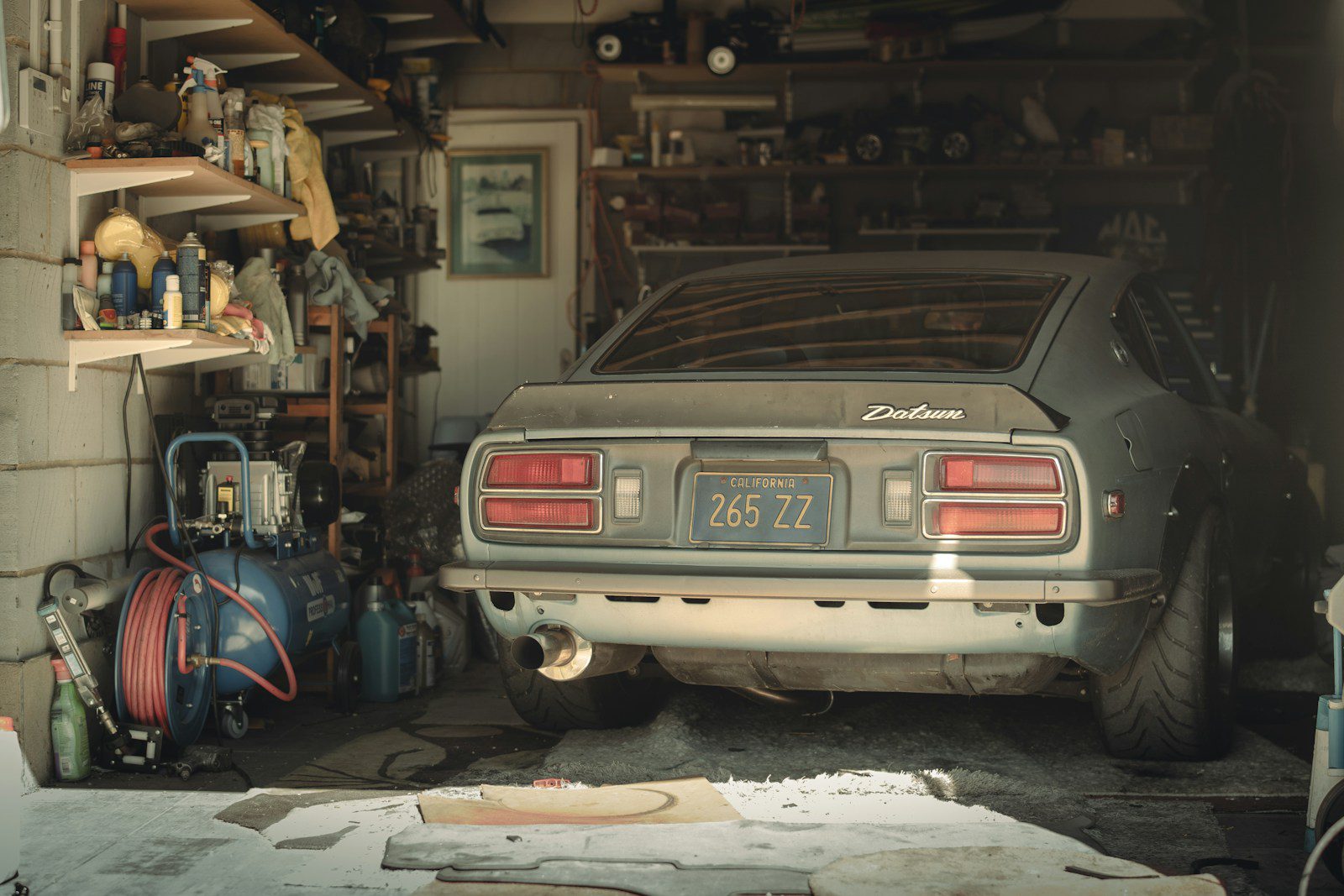
Garages have a way of becoming a graveyard for good intentions. The leftover tile from a bathroom remodel, the wood scraps for a shelf you never built, the half-used can of stain — it all gets saved for “someday,” and someday rarely arrives before the pile does real damage to how usable the space is.
Here are eight garage categories worth an honest reassessment, so your garage can go back to holding your car instead of your unfinished plans.
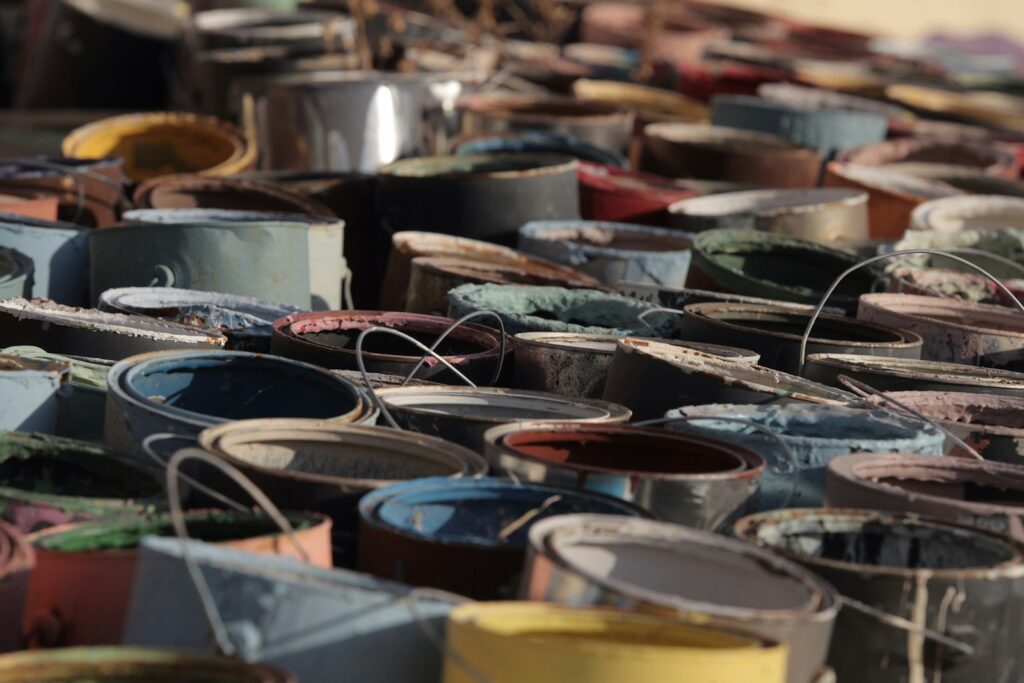
Old Paint Cans With Dried-Up Contents
A shelf of paint cans from past projects often includes several that have dried out completely or separated beyond any usable consistency. Give each can a shake and a check — if the paint’s solidified, it’s not salvageable. Paint should never just go in regular household trash in most areas; look into a local hazardous waste collection day or a program like PaintCare for proper disposal, and keep only cans of colors you’d actually use again for touch-ups.
Leftover Building Materials From Finished Projects
Extra tile, leftover lumber, or spare flooring from a completed renovation often gets kept “just in case,” even when the project it belonged to is long finished. If you don’t have a specific future use in mind, these materials are better donated to a building materials reuse center than stored indefinitely.
Broken Tools You Meant to Fix
A drill with a dead battery pack that’s no longer made, or a saw with a broken guard, often sits in a corner labeled mentally as “to repair” for years without action. If repair costs approach replacement costs, or you simply haven’t gotten to it after a long stretch, it’s more honest to recycle the tool and replace it when needed.
Empty Boxes Being Saved for Returns
Boxes kept in case a product needs to be returned make sense for a limited window, but most return periods close within thirty to ninety days. Once you’re well past any possible return or warranty claim, the box is just taking up space and should go in the recycling bin.
Sports Equipment No One Uses Anymore
Bikes with flat tires nobody’s ridden in years, a golf bag from a hobby that didn’t stick, or gear for a sport your kids outgrew all tend to accumulate along garage walls. Sell or donate equipment that’s just sitting, and keep only what your household is actively using this season.
Old Gasoline in Deteriorating Containers
Gasoline degrades over time and becomes less effective in small engines, and storing it in an aging or improper container is a genuine safety concern. Fuel should be stored in an approved, sealed container away from ignition sources, and old or degraded gasoline should be taken to a household hazardous waste facility rather than poured out or left indefinitely.
Extra Extension Cords in a Tangle
Multiple extension cords, some frayed and some perfectly fine, tend to pile into a tangled knot that makes it hard to grab the right one when you actually need it. Test each cord, discard any with visible fraying or exposed wire, and coil the rest neatly so they’re actually usable in a pinch.
Camping Gear You Haven’t Used in Years
A tent, sleeping bags, and camp chairs bought for one trip years ago can take up a surprising amount of garage real estate if camping never became a regular habit. If it hasn’t been used in a couple of years and there’s no trip planned, consider selling the set to someone who’ll actually get outdoors with it.