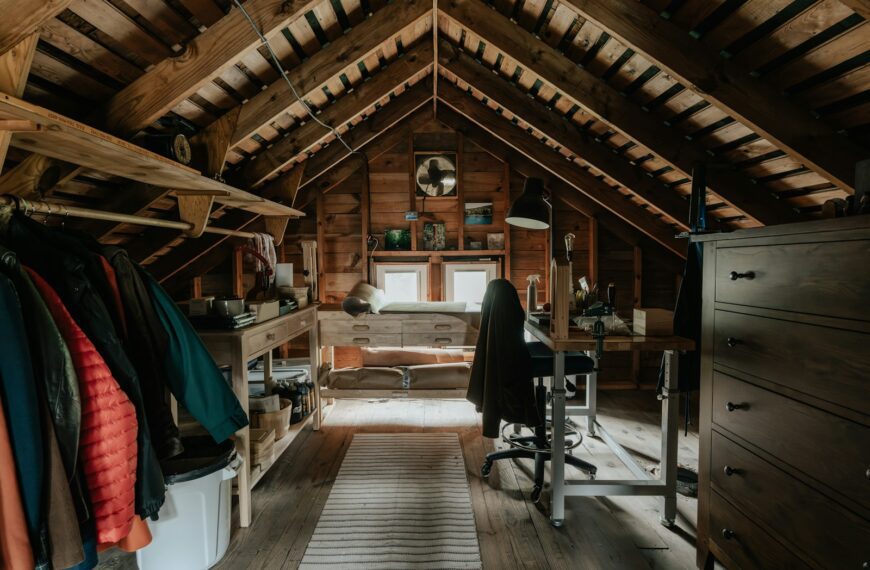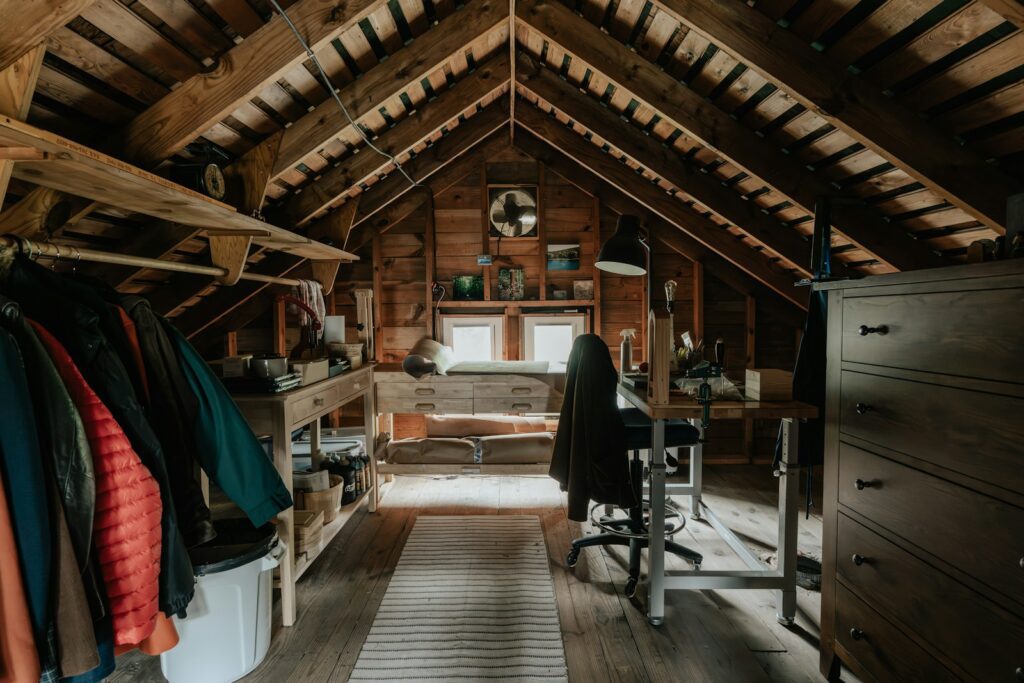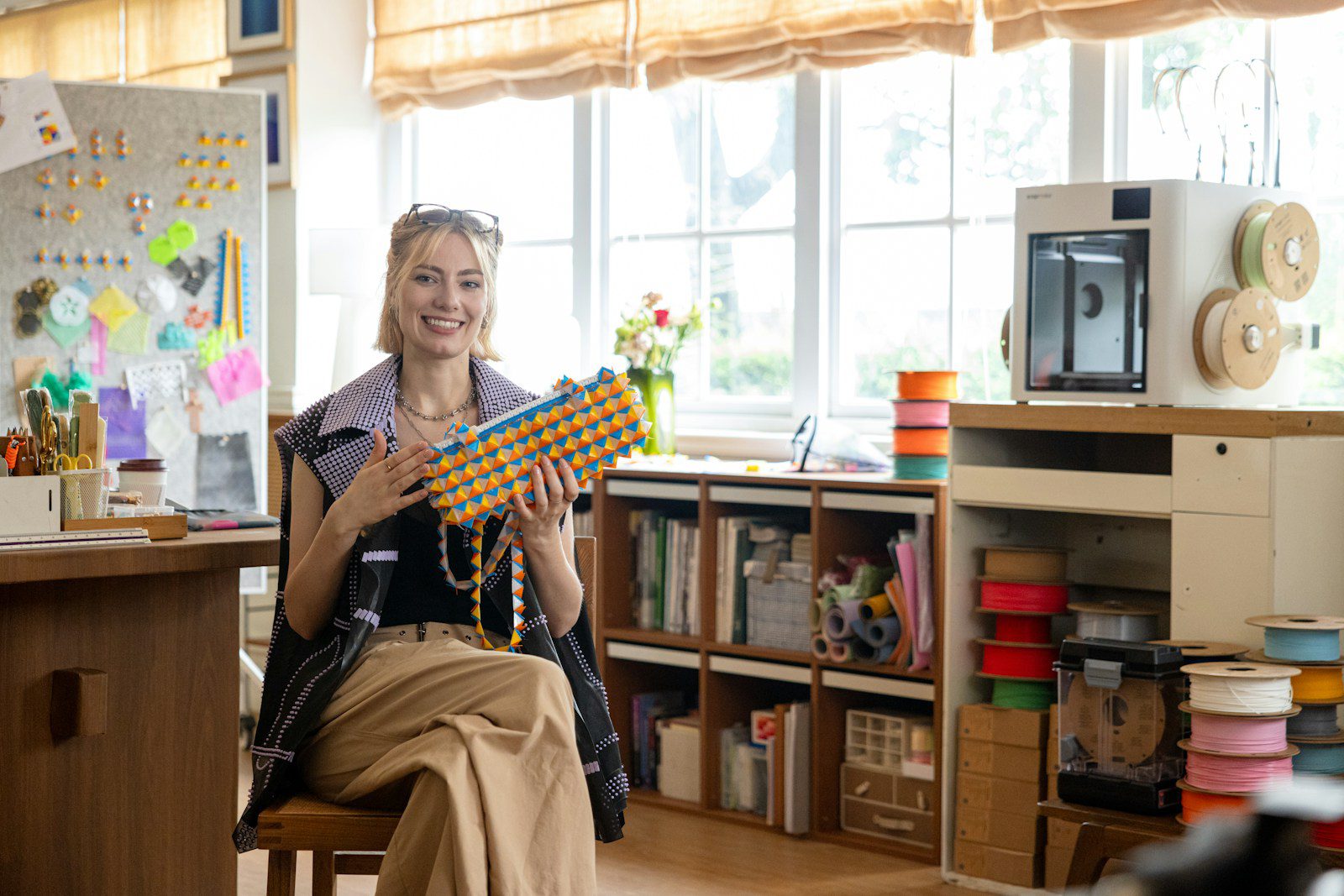
Craft rooms are a special kind of clutter zone because the accumulation feels productive even when it isn’t. Every new project idea comes with a trip to the craft store, but the follow-through doesn’t always keep pace, and before long the supplies for ten different hobbies are competing for the same shelf space.
Here are nine craft room categories worth a genuinely honest look.
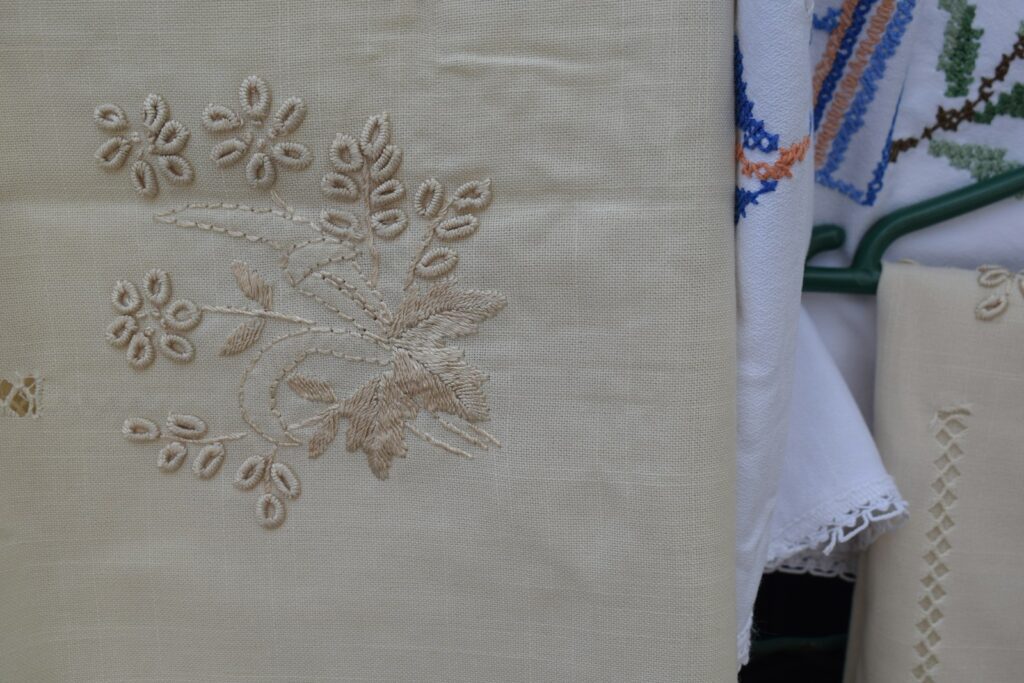
Fabric Bought for a Project You Never Started
A stack of fabric purchased with a specific project in mind, only for the project to never actually begin, is one of the most common craft room patterns. If it’s been sitting untouched for over a year and you can’t remember the original plan, consider donating it to a school art program or a local maker space.
Half-Finished Projects You’ve Lost Interest In
Every crafter has at least one project that got abandoned partway through once the initial excitement faded. Give yourself permission to either recommit to finishing it with a specific deadline, or to disassemble it and reclaim the materials and space it’s currently occupying.
Duplicate Craft Tools
Multiple pairs of scissors, several glue guns, and more than one set of the same paintbrushes tend to accumulate through gifts and impulse buys. Test what you have, keep your best-performing tools, and donate the extras to someone just starting a similar hobby.
Dried-Out Paints and Markers
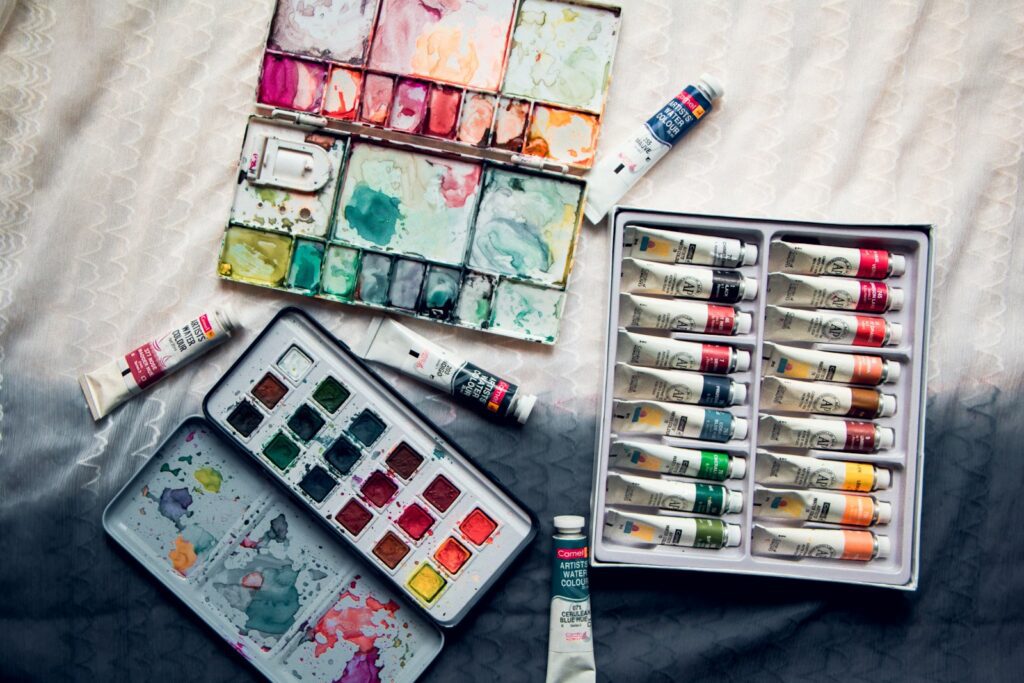
Craft paints and markers have a shelf life, and once they’ve dried out or lost their vibrancy, they’re not coming back no matter how much water or thinner you add. Do a quick test of your collection, and toss anything that no longer performs the way it should.
Beads, Buttons, and Small Embellishments With No Plan
Small craft supplies bought in bulk for a specific project often outlive that project by years, ending up as a jumbled collection with no clear future use. Consolidate what’s left into clearly labeled containers, and consider passing along excess to a local school or community craft program.
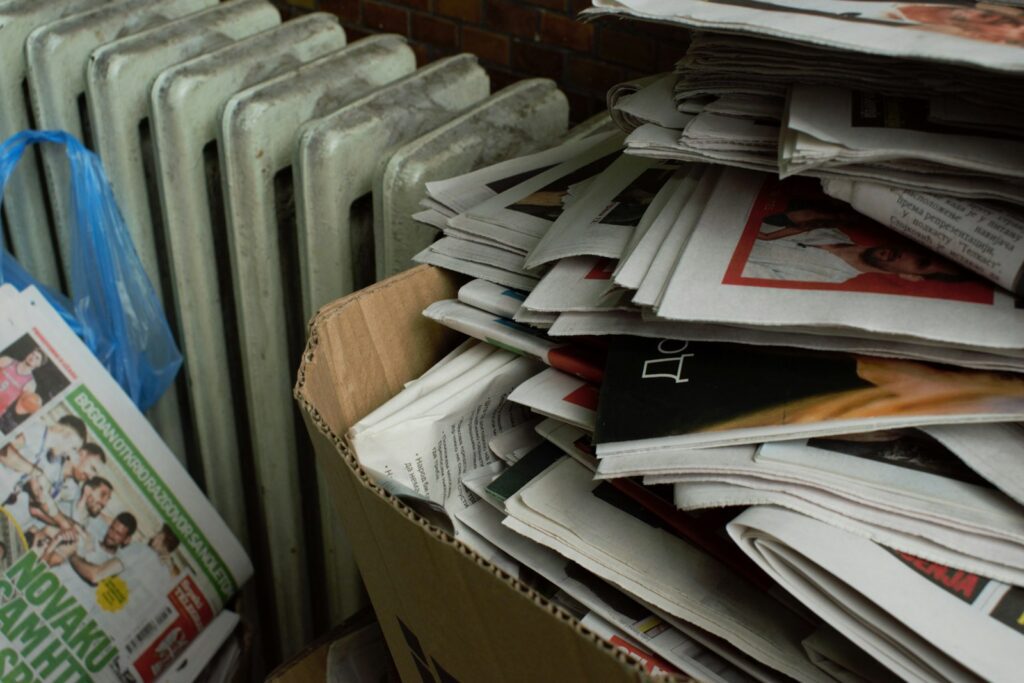
Craft Magazines and Pattern Books You’ve Outgrown
Old issues of craft magazines or pattern books for techniques you no longer practice can take up significant shelf space. If you haven’t referenced a particular book or magazine in years, and the patterns are available online anyway, it’s a reasonable one to let go of.
Yarn From a Knitting Phase That Passed
A stash of yarn bought during an enthusiastic knitting or crochet phase can sit untouched once interest shifts elsewhere. If you’re not actively working through your stash, consider donating unused skeins to a fiber arts group or senior center that often welcomes yarn donations.
Sample Kits You Bought but Never Opened
Craft kits purchased on a whim, still sealed in their original packaging, are an easy category to reassess. If it’s been sitting unopened for a long stretch, it’s fair to admit the project isn’t happening and pass the kit along to someone who will actually use it.
Storage Containers That Have Outgrown Their Contents
Sometimes the organizing system itself becomes clutter — bins and caddies bought for a specific supply that’s since been reduced or reorganized elsewhere. Reassess your storage setup periodically, and don’t be afraid to consolidate containers once their original contents have shrunk.