


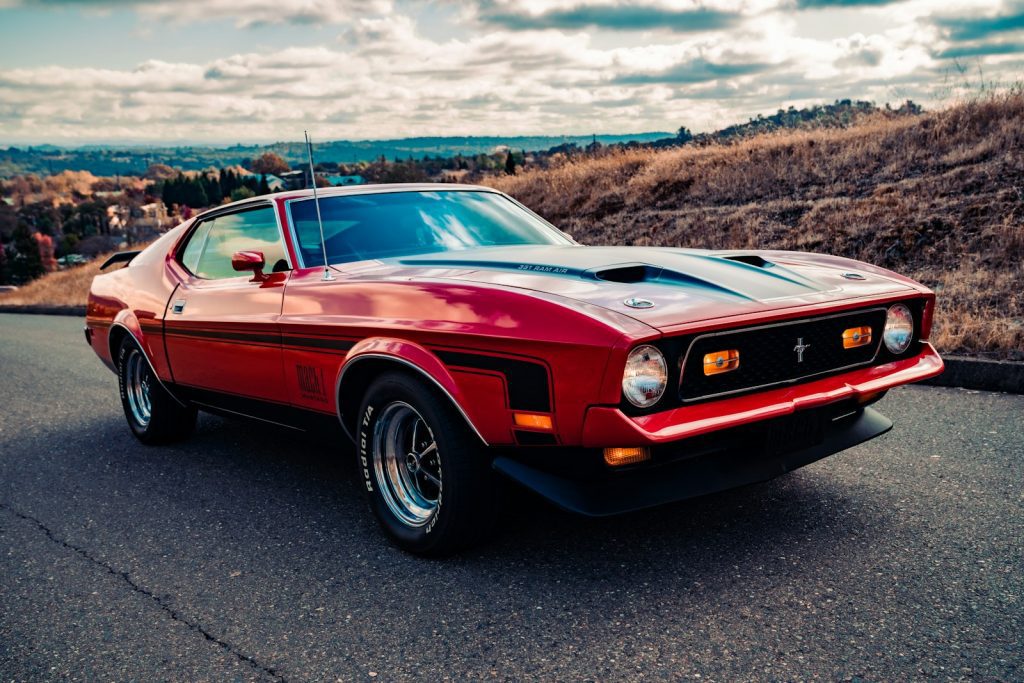
The 1970s gave us some of the most exciting cars ever made, and many of those vintage rides have become surprisingly valuable today. Looking back, it’s clear that these classic cars weren’t just cool to drive—they’ve turned into solid investments that keep climbing in value. I’ve found that 8 specific vintage cars from that era have exploded in worth, capturing the hearts of collectors and muscle car fans alike. These models have stood the test of time thanks to their unique designs, powerful engines, and cultural impact, making them must-haves for anyone interested in automotive history.
If you’re curious about which vintage cars have skyrocketed in value since the ’70s and why, I’m excited to share my picks and what makes each one special. Let’s dive into this fascinating world of timeless classics.

Essential Factors Behind Exploding Classic Car Values
Several key elements shape why certain vintage cars have soared in value since the ’70s. These include how rare the car is, the emotional and cultural ties people have, and the growing interest from collectors and investors.
The Role of Rarity and Limited Production
Rarity is a huge factor in a classic car’s value. Cars produced in limited numbers naturally attract more attention because fewer models survive in good condition. For example, a car with a production run of just a few thousand units will often outpace mass-produced models in price growth.
Limited editions or special variants also spark demand. When manufacturers release unique versions, collectors view those as more valuable. This scarcity creates competition among buyers, which drives prices up, as seen in Hagerty’s market ratings for certain rare vintages.
Influence of Nostalgia and Pop Culture
Nostalgia plays a big role in why some models gain value. Cars that defined a specific decade or were featured in popular movies, TV shows, or music spark emotional connections. It’s not just about performance but the memories and cultural significance tied to those vehicles.
For instance, cars from the ’70s and ’80s that evoke a connection to personal or generational memories often experience price surges. When collectors want to relive or own a piece of that era, demand increases, pushing values higher. Pop culture appearances can also boost a car’s desirability and market value.
Impact of Collector and Investor Demand
Collector enthusiasm and investor interest significantly impact classic car prices. More buyers looking to own a particular model naturally inflates its market value. Today, investors view classic cars as a collectible asset class, sometimes comparing to art or watches.
This trend reflects in reports from Hagerty and other market experts, showing how cars once overlooked are now hot investments. Cars in pristine condition or with a well-documented history get premium prices. It’s a competitive market driven by those seeking both enjoyment and financial appreciation.
8 Vintage Cars That Have Exploded in Value Since the ’70s
I’ve seen some vintage cars leap in value due to their unique mix of design, performance, and cultural impact. These cars embody different facets of automotive history—whether it’s sports car precision, muscle car power, or rare exclusivity. Their rising prices aren’t random; they reflect real demand and lasting appeal that collectors and enthusiasts recognize.
Porsche 911: The Air-Cooled Phenomenon
The Porsche 911, especially the air-cooled models produced until the late ’90s, has become a legend. These cars combine timeless design with driving purity, making them sought after by collectors worldwide.
The 1973–1974 Carrera RS 2.7 is a prime example. Lightweight, with the iconic “ducktail” spoiler, it was built to dominate racing homologation rules. Limited production of just over 1,500 units adds to its rarity.
Prices for well-maintained examples have soared into the seven figures. The mix of motorsport success, unmistakable style, and Porsche’s stellar reputation guarantees strong appreciation. The 911’s status as one of the most recognizable sports cars keeps it a smart and stable classic investment.
Datsun 240Z: Affordable Sports Car Legend
The Datsun 240Z changed the sports car game by offering sleek style and impressive performance at a price within reach. Built in the early ’70s, it combined a lightweight frame with a smooth inline-six engine.
It’s loved for its reliability and pure driving experience, making it popular with both collectors and enthusiasts. Its simple, elegant design hasn’t aged, and original, unmodified examples command rising prices.
What excites me about the 240Z is that it offers a vintage sports car experience without the hyper-exclusivity of European models. Its value growth reflects increasing interest from younger collectors looking for an iconic sports car with cultural relevance and affordability.
Chevrolet Corvette: American Icon Appreciates
The Corvette Sting Ray from 1963 to 1967 embodies classic American muscle and innovation. The 1963 split-window coupe especially is a collector’s dream with its striking design and performance advances like independent rear suspension.
Big-block engine variants like the L88 are extremely rare and fetch premium prices. The Corvette combines raw power with a storied racing past, fueling its appeal in the muscle car market.
These cars have steadily increased in value, partly due to strong nostalgia among American collectors and global interest in muscle cars. Owning a Corvette from this era means having a piece of American automotive history that shines in any collection.
Ford Mustang: Muscle and Cultural Powerhouse
The Ford Mustang, particularly special editions like the Shelby GT350, GT500, and Boss 429, represents muscle car performance at its peak. Built between the mid-’60s and early ’70s, these cars defined a generation of speed and style.
Limited production numbers and racing pedigree boost their appeal, while powerful V8 engines deliver thrilling performance. These Mustangs aren’t just fast cars—they’re cultural icons featured in movies, music, and pop culture.
Their value has exploded due to a mix of rarity and emotional connection with baby boomers and younger enthusiasts. High-grade models now routinely command prices in the upper six and seven figures, reflecting muscle car fever in today’s collector market.
Jaguar E-Type: The Timeless British Beauty
I think the Jaguar E-Type stands out for its blend of stunning design and respectable performance from 1961 to 1974. Enzo Ferrari’s praise of it as “the most beautiful car ever made” still rings true.
Early Series 1 versions, especially the 3.8-liter coupe and roadster, are most desirable. The car offers a sophisticated blend of style and performance, with racing history adding to its charm.
While prices have stabilized somewhat, top examples remain highly prized. Its status as a classic European sports car and a symbol of ’60s style make it a valuable asset for collectors who appreciate timeless elegance.
Lamborghini Miura: The Original Supercar
The Miura, built from 1966 to 1973, is known as the car that created the supercar genre. It stunned the world with its mid-engine layout and breathtaking design by Bertone.
Production numbers were low, with fewer than 750 made, making it a rare find. The Miura’s V12 engine delivered performance that was revolutionary for its time, and it remains a symbol of Italian automotive passion.
Collectors prize its rarity, beauty, and technical innovation. This car’s value reflects not just speed, but its role in shaping supercar culture, placing it among the most desirable classics from the ’70s.
Toyota 2000GT: Japanese Rarity in Demand
Rare and elegant, the Toyota 2000GT from 1967 to 1970 quietly changed perceptions about Japanese sports cars. Only 351 were built, making it exceptionally rare.
Its smooth inline-six engine and refined design combined European sophistication with Japanese craftsmanship. It’s often called Japan’s first supercar and has a cult following.
This car’s scarcity and historical significance drive its rising value. Increasing global collector interest amplifies demand, especially for well-preserved originals with documented provenance.
BMW M3 (E30): Motorsport Legend Ascends
The E30 BMW M3, produced from 1986 to 1991, ignited BMW’s motorsport legacy in a way few cars have matched. Designed for Group A racing, it combined aggressive looks with superb handling.
Its high-revving four-cylinder engine and balanced chassis made it a driver’s favorite. Limited homologation production adds to its collectible status.
The M3’s reputation has grown steadily, especially among enthusiasts who value its blend of performance and classic ’80s styling. Values have climbed sharply as it occupies a top spot in both vintage sports car and collector circles.
Learn more about these cars and their markets in detail at which vintage cars are climbing in value fastest.
Evolving Trends Among Collectors and Investors
The landscape of vintage car collecting is changing in fascinating ways. I’ve noticed shifts in who’s buying, what’s popular, and how classic cars are bought and sold, all of which affect values and interest significantly.
Modern Classic Cars and Younger Enthusiasts
Younger collectors are drawn to “modern classics” — cars from the late ’80s to early 2000s that combine nostalgia with modern reliability. These cars, like the Porsche Carrera GT and early Ford GTs, offer high performance with analog driving experiences, making them attractive for enthusiasts who want something they can drive, not just display.
This demographic shift influences the market because these buyers often have different tastes than traditional collectors. They value accessibility, technology, and authenticity. For investors, that means spotting models reaching the 20-25 year mark early can yield strong appreciation as these cars enter “classic” territory.
Shifting Interest from American to Global Icons
Interest in American muscle cars is cooling compared to the boom earlier in the century. I’ve seen more focus on European and Japanese icons—think Lamborghini Miura, Nissan Skyline GT-R, and BMW E30 M3.
Collectors are paying attention to engineering innovation and global cultural impact, not just brute power or nostalgia. This shift is partly driven by a younger crowd with varied tastes and a greater appreciation for cars with racing pedigree or design significance beyond the U.S.
The Role of Auctions and Online Marketplaces
Auctions have long shaped collector car values, but online marketplaces are now vital to the process. These platforms increase transparency and access, allowing collectors and investors to research and bid globally.
With online auctions, I see faster market reactions to trends and demand. These venues also bring in new buyers who might not attend traditional car shows, diversifying the collector base. For sellers, the broad reach can help achieve better pricing, as serious buyers compete across regions. This evolution has made buying and selling vintage cars more efficient and data-driven.
Learn more about how the classic car market is shifting at classic car trends for 2025.
Expert Tips on Finding and Preserving High-Value Classics
Finding a high-value classic requires attention to detail and solid research. Preserving it means knowing how to maintain its originality and keep its history intact. Both aspects work together to protect your investment and passion.
How to Identify Potential Future Classics
I look for cars with limited production numbers, unique design features, and strong brand legacy. Models with racing history or special editions often gain collector appeal.
Hagerty’s valuation guides are a great tool to track current trends and anticipate which models are increasing in demand. Always check forums and auction results to see what enthusiasts and collectors are targeting.
Condition plays a big role too. A car that’s mostly original and unrestored can be more valuable than a heavily modified one. Look beyond just the exterior—engine originality, matching numbers, and rare factory options are key indicators.
Best Practices for Classic Car Maintenance
Maintaining a classic is about both upkeep and authenticity. I follow a strict routine of oil changes, brake checks, and fluid monitoring, using parts built for vintage models to preserve originality.
Storage is critical; I keep mine in a temperature-controlled garage, away from moisture and sunlight. Regular waxing and thorough cleanings prevent rust and paint damage.
Also, keeping detailed maintenance records adds to a car’s value. If you drive it, perform gentle runs instead of letting it sit idle long-term—it keeps mechanical components healthy.
Documentation and Provenance: Why History Matters
Having a clear, documented history adds significant value to any collector car. I make sure to collect bills of sale, service records, original manuals, and any restoration documentation.
Provenance shows authenticity and helps prove a car’s originality. It can also highlight unique stories, such as celebrity ownership or racing achievements, which collectors prize.
Hagerty and other classic car insurers often consider provenance when appraising value. Maintaining this paperwork, along with a detailed log of ownership and restorations, supports both insurance and resale value.