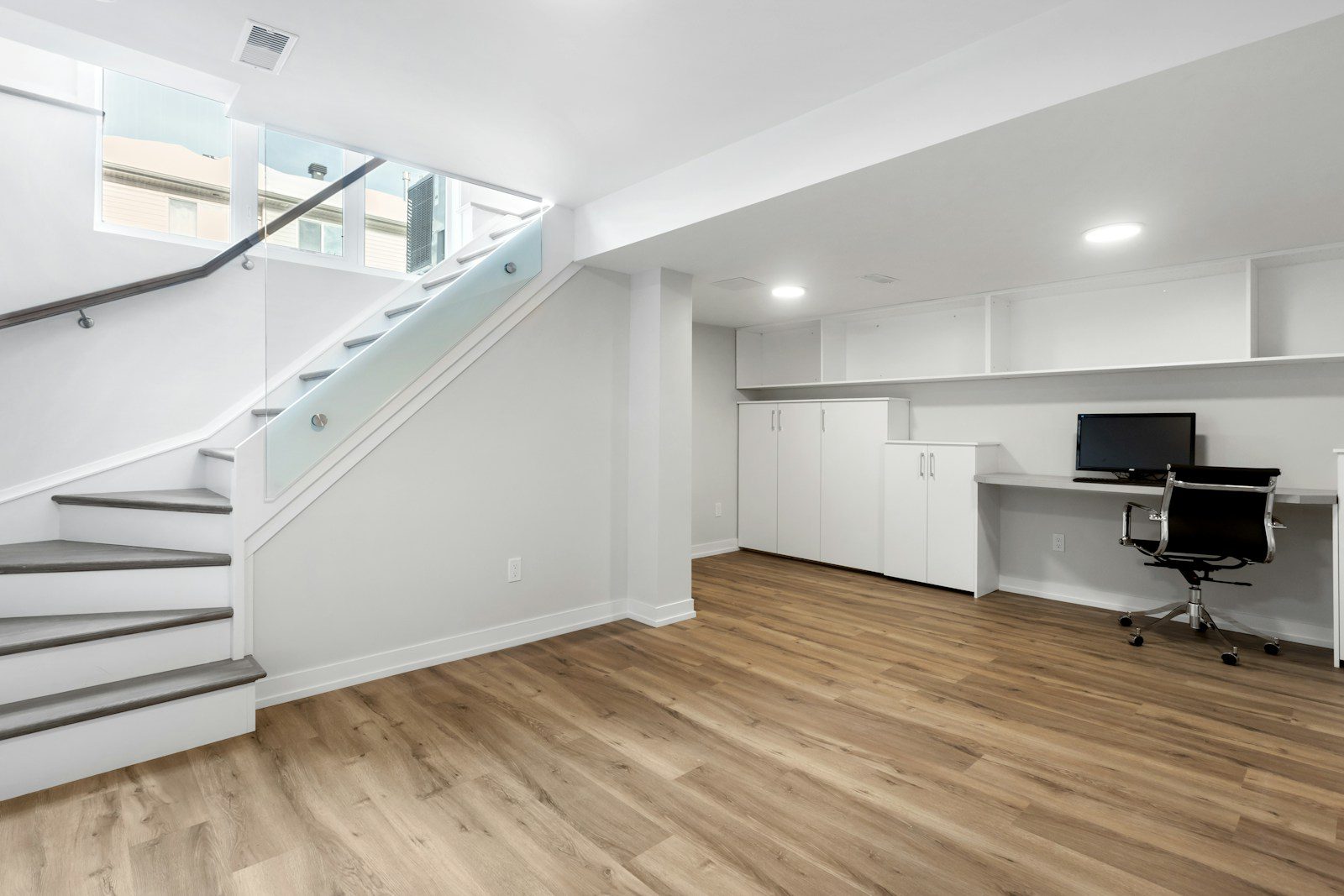
Finishing roughly 1,000 square feet of basement space recoups about 71 cents on every dollar spent, the best resale return of any project that actually adds livable square footage to a house, according to the National Association of Realtors’ 2025 Remodeling Impact Report, produced jointly with the National Association of the Remodeling Industry. Compare that to a new primary suite addition, which recovers just 54% of what homeowners spend, or a new bathroom addition at 56%. If you’re weighing where to put renovation dollars this year and you want square footage that actually pays you back, the data points in one clear direction, and it isn’t the direction most homeowners assume.
The Numbers Behind the Ranking
NAR and NARI surveyed remodeling contractors nationwide and paired their cost estimates with real estate professionals’ projections of resale value, building the report around a standardized 2,300-square-foot house. Among projects that expand a home’s usable square footage rather than simply updating what’s already there, basement conversion to finished living space topped the list at 71% cost recovery. Attic conversion followed at 67%. New bathroom additions and primary suite additions trailed at 56% and 54% respectively. Basement conversion also earned a Joy Score of 8.8 out of 10 in the same report, a homeowner-satisfaction rating that measures how much people wanted to be home after the project was done, not just what it did for the eventual sale price.
An Important Caveat on “Best” Return
It’s worth being precise about what this figure actually measures. Zonda’s separate Cost vs. Value report, the appraisal industry’s other major benchmark, found small exterior swaps like a garage door replacement or manufactured stone veneer can recoup well over 100% of their cost, sometimes multiples of what homeowners spent. Those projects simply don’t add square footage; they refresh what’s already there. Among upgrades that genuinely expand a home’s usable living area, rather than replace or refinish an existing surface, basement conversion is the one that comes out on top. That’s a meaningfully different question than “which single project returns the most money, period,” and it’s the one that matters if square footage, not curb appeal, is the actual goal.
Why Basements Outperform Other Additions
The math favors basements mostly because you’re not paying for a foundation, a roofline, or new exterior walls. The space already exists; you’re finishing it rather than building it from scratch. HomeGuide’s cost data, compiled from contractor estimates nationwide, puts a standard 1,000-square-foot basement finish at $25,000 to $65,000, or roughly $25 to $65 per square foot, and independently estimates ROI in the 65% to 70% range, which lines up closely with the NAR figure. Angi’s separate cost guide lands in a similar range, citing $7 to $23 per square foot depending on scope and putting the typical full project around $32,000. A primary suite addition, by contrast, usually means new framing, roofing, plumbing runs, and HVAC extension from scratch, which is why it costs far more per square foot and returns less at closing.
What “Finished” Actually Has to Mean
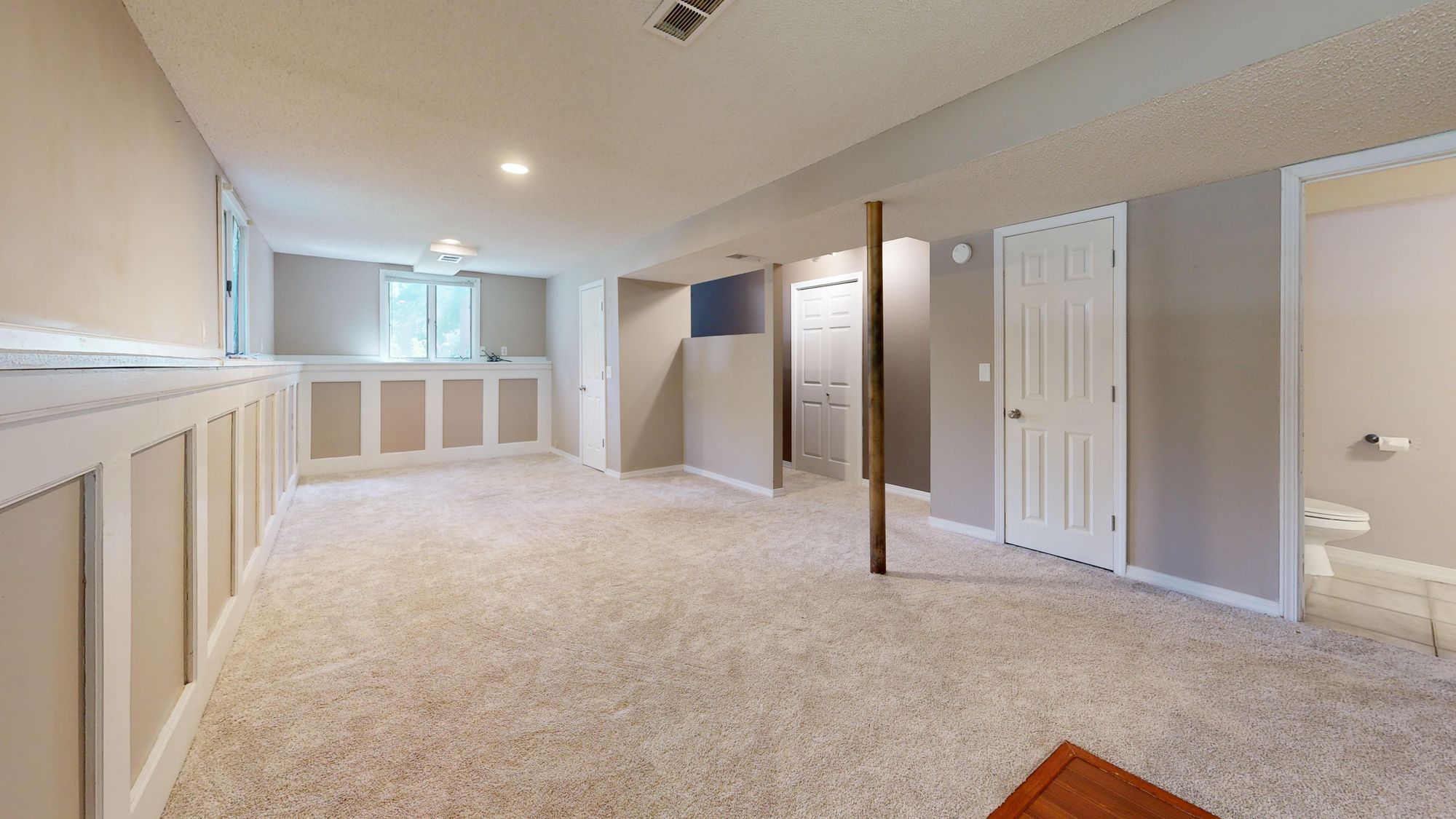
The return depends heavily on doing the work correctly, not just cheaply. HomeGuide’s data specifically warns that skipping local building code requirements, egress windows for any bedroom space, proper ceiling height, permitted electrical and plumbing work, drops the ROI significantly, because an appraiser and a buyer’s inspector will both catch it. A finished basement that can’t legally be called a bedroom or that lacks a permit history won’t appraise the same as one that can. That distinction is part of why basement work outperforms a primary suite addition on paper but still requires real capital investment to hit that 71% number: cheap drywall over a damp slab doesn’t count, and buyers’ agents increasingly know the difference.
Where This Leaves Homeowners Weighing Projects
If you already have an unfinished basement, this is about as close to a straightforward answer as remodeling data gets: converting it to finished living space returns more of your money at resale than any other project that adds actual square footage to the house, and it does so while ranking near the top of the same report’s homeowner-satisfaction scores. That’s a rare combination. Most renovation choices force a trade-off between what you’ll enjoy living with and what you’ll recoup when you sell. This is one of the few line items in the report where those two numbers point the same direction.
Square footage isn’t interchangeable, and the data makes that concrete: where you add it, and how it gets finished, changes what you get back by double digits.