Roughly 3,300 home fires start in extension cords every year, killing about 50 people and injuring another 270, according to data from the Electrical Safety Foundation International (ESFI). Fire officials say the season is starting right now, as cooler weather sends space heaters, string lights, and inflatable decorations out of the garage and into an outlet that was never built to handle them.
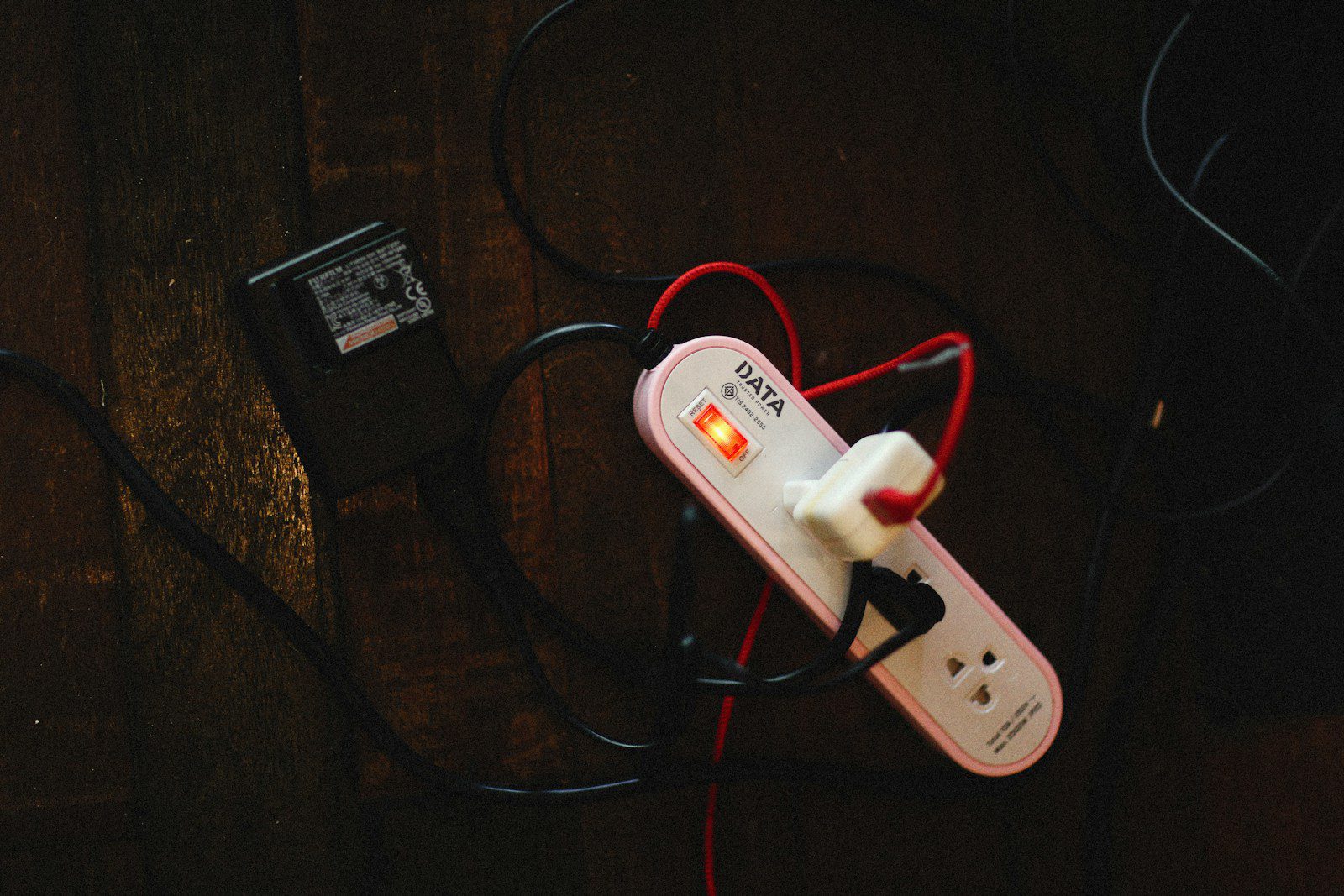
The single mistake that shows up again and again isn’t a frayed cord or a cheap brand. It’s daisy-chaining: plugging one extension cord or power strip into another to stretch power further across a room or yard. ESFI is direct about it, warning that “multiple plug outlets must be plugged directly into mounted electrical receptacles; they cannot be chained together.” The Kansas Office of the State Fire Marshal lays out the same rule in plainer terms: “If the cord is not long enough, it is not acceptable to plug several cords together to obtain the needed length.” Each additional link pulls more current through wiring rated for a single load, and the connection points themselves become the weak spot where heat builds up unnoticed behind furniture or under a rug.
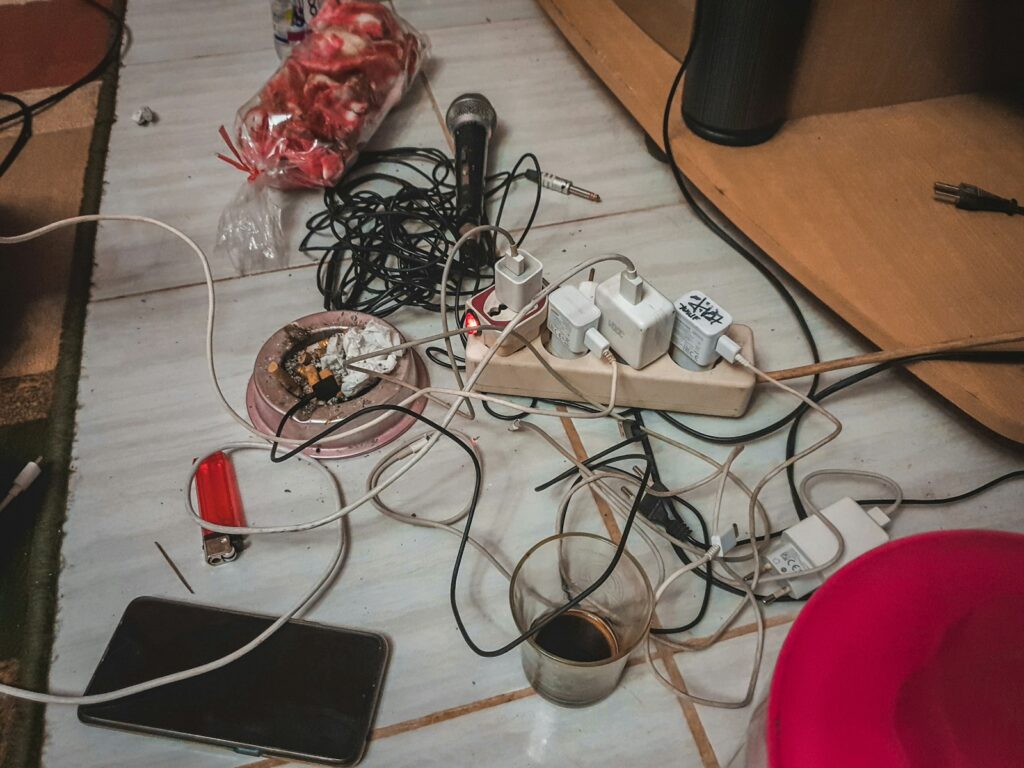
The habit is easy to fall into every fall specifically because the season demands more outlets than most rooms have. A space heater, a phone charger, and a string of porch lights can easily end up sharing one cord that was designed for a lamp. ESFI’s guidance is blunt on this point too: don’t use an extension cord for more than one appliance, and never run one as a substitute for permanent household wiring.
Local fire departments are already seeing it play out. The FDNY reported more than 50 extension-cord fires in New York City so far in 2025 alone, injuring 27 people and killing 5, and issued a public safety reminder urging residents to never overload a cord or plug a large appliance into one. The department’s core message matches what fire marshals nationwide repeat every fall: extension cords are a temporary bridge to an outlet, not a permanent power source.
There are a few other habits worth breaking at the same time. Running a cord under a rug or through a doorway traps heat that would otherwise dissipate, which is part of why ESFI recommends keeping cords fully uncoiled and out from under carpeting entirely. A cord that feels warm to the touch, has a cracked casing, or has had its grounding pin removed to fit an older outlet should be thrown out rather than pressed back into service for one more season. And any cord running outdoors, for lights or a pump, needs an outdoor-rated jacket and a ground-fault protected outlet, not a household cord pulled through a cracked window.
None of this requires new wiring or an electrician visit to fix. It mostly requires counting how many things are actually plugged into that one cord behind the couch, and accepting that if the answer is more than one appliance, it’s time for a second outlet, a power strip with its own breaker, or simply fewer things running at once.