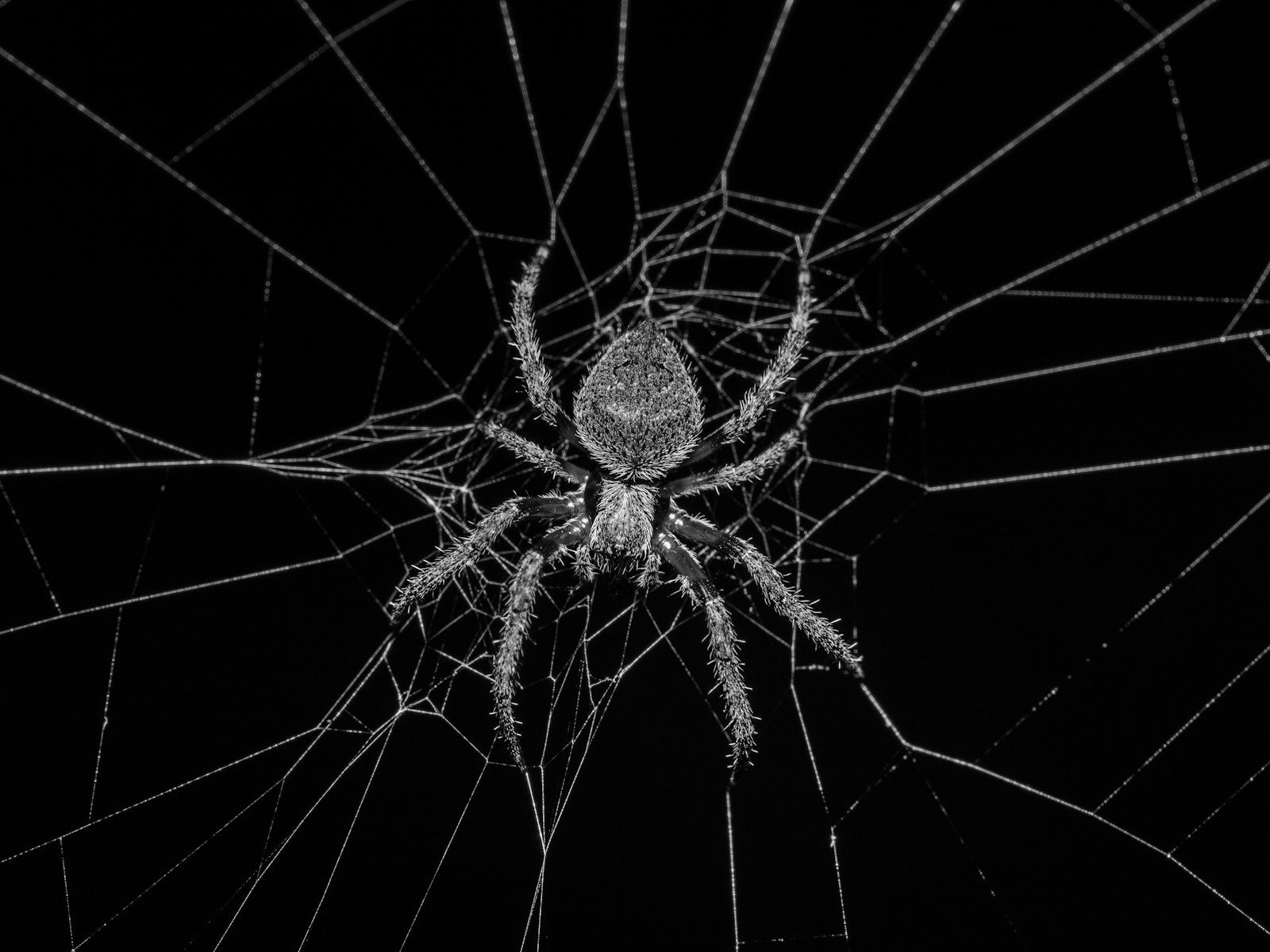
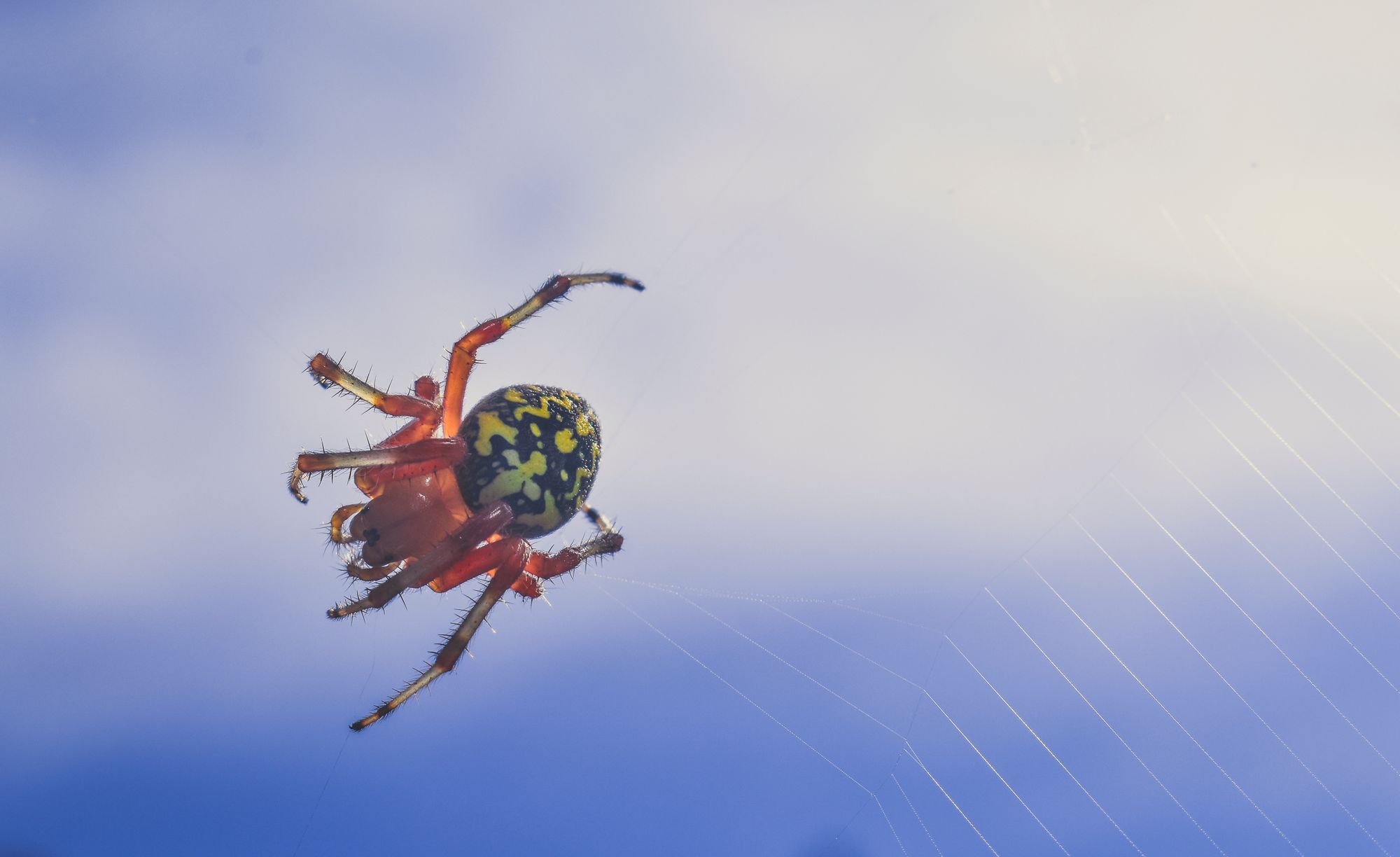
Fewer than 5% of the spiders you find inside your own house have ever set foot outdoors, according to arachnologist Rod Crawford at Seattle’s Burke Museum. That number tends to stop people mid-scream. If the eight-legged visitor crossing your bathroom floor this month isn’t a recent arrival from the yard, then the sudden fall “spider season” you keep hearing about isn’t really about spiders moving in at all. It’s about a population that was living in your walls, closets, and basement corners the entire time finally becoming visible.
The population was never the problem
Every September, pest-control ads and social feeds fill up with warnings that spiders are “invading” homes as the weather turns. Entomologists who actually study the animals describe something less dramatic and more interesting. House spiders are, for the most part, a different set of species than the ones living in your garden, and many of them have been indoor specialists for a very long time. Crawford’s research at the Burke Museum notes that common house spiders “have been living indoors at least since the days of the Roman Empire,” fully adapted to life inside human structures rather than passing through.
That means the spider on your ceiling in October was very likely there in July. You just weren’t looking at it, and it wasn’t moving.
What actually changes is behavior, not headcount
What does change in fall is activity. According to Washington State University entomologist Richard Zack, autumn is peak mating season for most spider species in the region, and that shifts which spiders you actually notice. Female spiders tend to stay put, often anchored near a web or a burrow, waiting. Males are the ones that go looking. Zack, a professor and extension specialist in WSU’s entomology department, has said that when people bring him a spider they found wandering across a floor or up a wall, “nine times out of ten, it’s a male,” out searching for a mate rather than shelter. His colleague Abigail Hayes, who curates the university’s arthropod collection, describes it in simpler terms: the spiders showing up indoors are “getting ready for winter,” the same way people are, and a certain number of them just happen to wander through a door or a gap under a window while they’re at it.
That single detail explains most of the seasonal spike. You’re not seeing more spiders because more of them exist. You’re seeing more males because they’re the ones on the move, and a spider in motion across an open floor is a spider you notice. A female tucked into a web behind the water heater, doing exactly what she was doing in June, doesn’t register the same way.
Different regions, same underlying story
Utah State University Extension entomologist Ryan Davis describes a similar pattern with hobo spiders, whose males “leave their webs in search of mates” each fall and sometimes wander into homes as a byproduct. Female wolf spiders, meanwhile, are often seen this time of year carrying visible egg sacs, which makes them look more conspicuous even though they aren’t traveling far. Davis notes the seasonal influx of sightings “usually ends in late October,” which lines up with the close of mating season rather than any change in outdoor temperature.
The cold-weather explanation, the one where spiders supposedly flee dropping temperatures for the warmth of your living room, doesn’t hold up biologically either. Spiders are cold-blooded, and most temperate species carry a natural antifreeze that lets them survive well below freezing outdoors. They aren’t chasing your thermostat. The ones that do end up inside by accident usually fare worse there, not better, since most outdoor species aren’t built for indoor conditions and rarely survive or reproduce once they’re in.
What’s actually worth doing about it
None of this means you have to share space with every spider you spot. Sealing gaps around doors and window frames, clearing webs from foundation corners, and reducing outdoor lighting near entry points (which attracts the insects spiders feed on) all cut down on the odd wanderer finding its way in. Weatherstripping and a tube of caulk do more for the actual problem than an aerosol can, since most of what you’re trying to stop is a handful of males passing through, not an army marching in from the yard.
It’s also worth remembering that the spiders already living in your house are doing you a quiet favor. Indoor species subsist on the flies, moths, and other insects that also get inside, and removing every web means removing that free pest control along with it. But it’s worth knowing what you’re actually dealing with before reaching for a can of pesticide or calling an exterminator in a panic: a resident population going about its business, made briefly more visible by a few weeks of seasonal romance.
The house spiders were never leaving. This time of year, they’re just easier to catch in the act of looking for company.