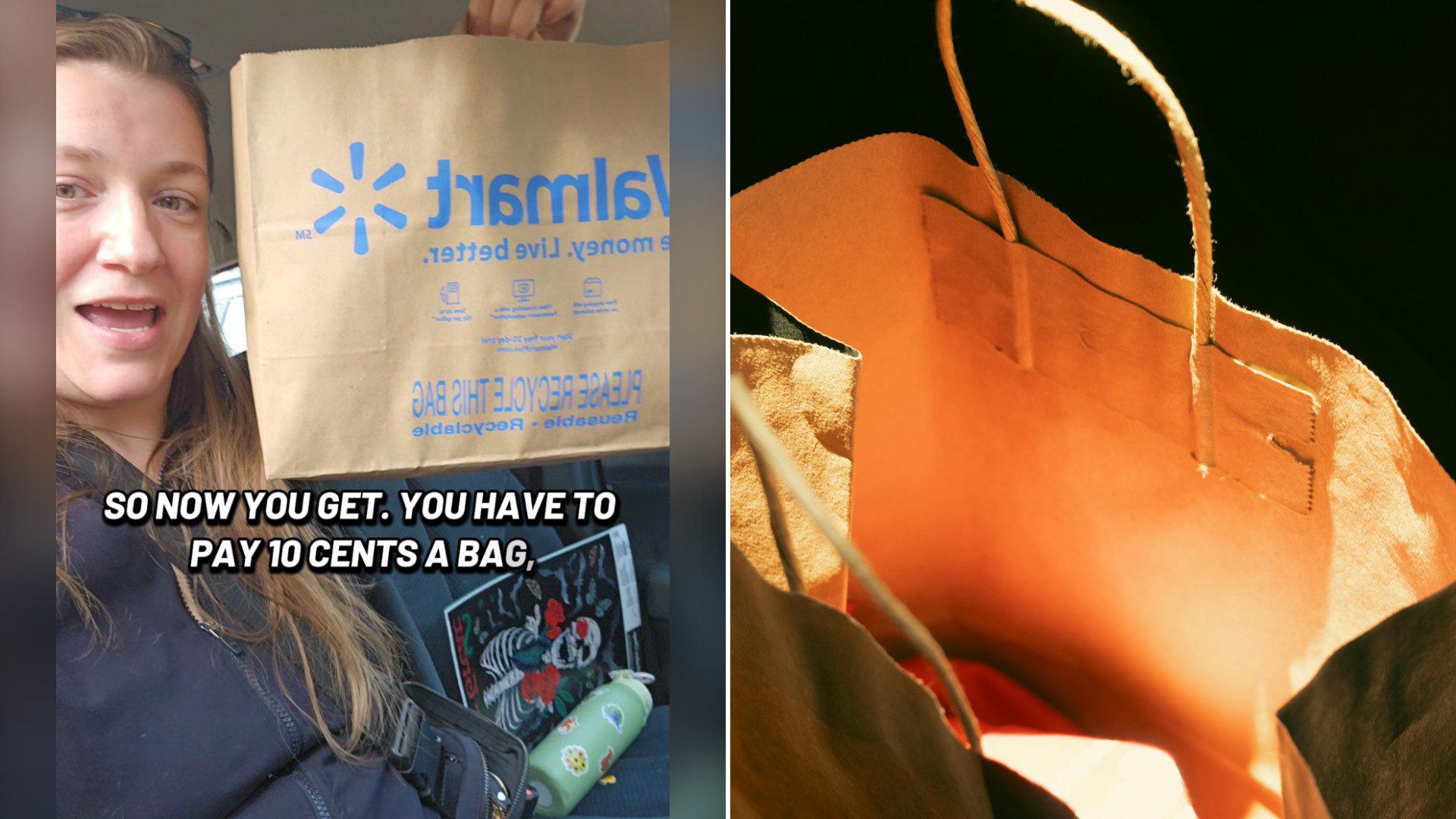
Shrinking products are nothing new, but one shopper in Alaska says she spotted the trend in a place she never expected: the paper bags at the end of the checkout line. @bethanyg66 shared her frustration after a trip to the store, and her caption sums it up: now that shoppers have to pay ten cents a bag, they suddenly seem to get half a bag.
It is a short story, but it touches on something many families notice in their budgets. Here is what she described, followed by general tips for dealing with bag fees and shrinking packages.
@bethanyg66
A Trip to the Store Sparks a Thought
The creator said she had just returned from shopping when it hit her that shrinkflation is out of control. In her view, it is showing up in places that people would never even think to look. Shrinkflation is the term many people use when a product gets smaller or contains less while the price stays the same or rises.
No More Plastic, and a Fee for Paper
She explained that in Alaska shoppers now have to pay for paper bags to carry their groceries out of the store, because plastic bags are no longer offered. She said she knows this is the case in Anchorage, but she was not sure whether it applies across the entire state.
The fee, as she described it, is ten cents a bag. That would be easy to accept if the bags were reliable. The problem, she said, is what she actually received.
Bags Barely Bigger Than Her Head
The Walmart bags she brought home were, in her words, barely bigger than her head. She called them tiny and said the handles rip off almost immediately, every single time. By her account, that makes them pretty much pointless.
She also believes the bags are half the size they used to be, now that people have to pay for them. For a shopper filling a cart, a smaller bag means more bags per trip, and more bags means more dimes.
Halloween Window Clings That Would Not Fit
The most vivid example she gave involved her purchases that day. She had picked up window clings for Halloween, and they could not even fit inside the new bag. Anything tall, she said, simply does not go in. That left her carrying everything out by hand.
Her tone throughout is one of exasperation, with a hint of humor. She ended the story with a weary of course, of course, the kind of comment that many shoppers will recognize from their own trips.
Why Many Places Charge for Bags
Bag fees and bans have spread to many cities and states as a way to cut down on single use plastic. Charging a few cents for paper or thicker reusable bags is meant to nudge shoppers toward bringing their own, and in many places the fee revenue helps cover the cost of the bags or supports local programs. Rules differ widely, so it helps to learn what applies in your own town.
Tips for Bag Fees and Shrinking Products
Bag fees and package changes vary by store and by location, so these are general suggestions rather than claims about any single retailer.
- Keep a few sturdy reusable bags in your car, by the front door or in your purse so you are never caught without them.
- Choose bags with reinforced handles and a wide base, which tend to hold heavier or taller items better.
- Wash cloth bags regularly, and keep raw meat and cleaning products in separate bags from fresh produce.
- Group items by weight at checkout. Heavy things go in strong bags, and light things can share a bag.
- Compare unit prices, not package prices. The price per ounce or per count shows you whether a product has quietly shrunk.
- Take a photo of favorite products or write down the size on the label so you can notice changes over time.
- Check the store’s policy before you shop, since fees and bag rules can differ from one city to another.
- If you have feedback about bag quality, tell a store manager or use the customer service line.
Making Your Own Bags Work Harder
Reusable bags only save money and waste if they actually get used. Many families keep a spare set in the trunk, then add a small folding tote to a purse or backpack for unplanned stops. Rinse or wipe them out between trips, and replace any bag whose seams or handles begin to fray. Sturdy bags with a flat bottom also make it easier to pack bulky seasonal items, such as decorations, without crushing them.
Small Costs That Add Up
Ten cents is not much on its own. But for a family that shops weekly, a few extra bags each trip can add up over a year. The bigger issue is how it feels. Paying for something that is less useful than it used to be is frustrating, even when the dollar amount is small. For many shoppers, that is the heart of the shrinkflation complaint.
The easiest fix is the one the fee is meant to encourage: bring your own bags. A set of strong reusable totes means you control the size, strength and number of bags you use, and your Halloween decorations can ride home safely.