Getting a large repair estimate is always uncomfortable, especially when you are not sure how much to trust it. That is why a friend’s mom asked a mechanic who goes by @mattieflips to take a second look at what a garage had quoted for her Subaru. What he found is a useful lesson for anyone who has ever wondered whether a repair bill adds up.
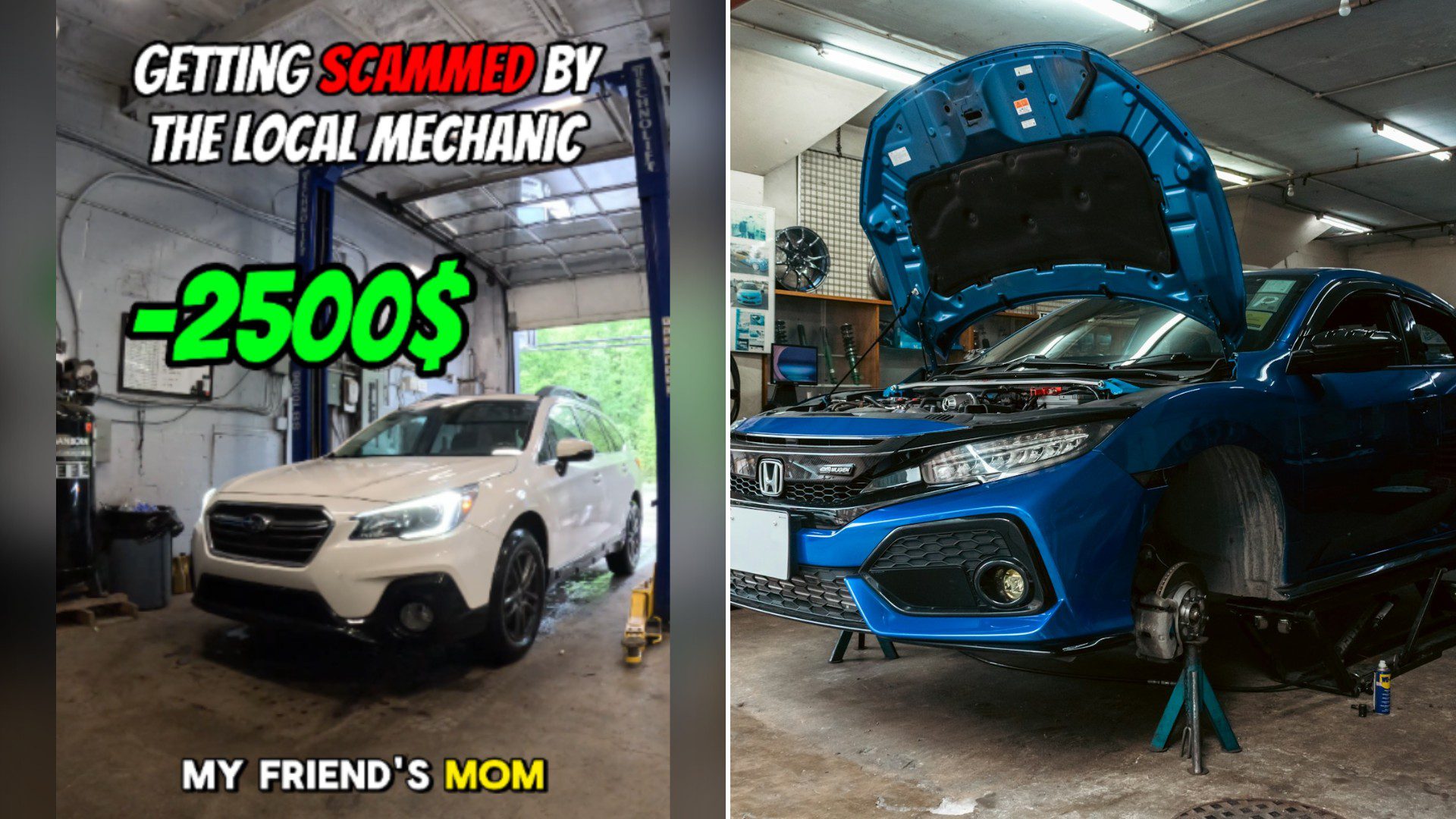
The creator walked through the estimate line by line and tested each part himself. Here is what he reported, followed by some general tips for checking a repair quote and protecting yourself as a customer.
@mattieflips
A Routine Visit That Became a Big Quote
The car is a 2019 Subaru Outback. Its owner brought it to a well rated garage for a routine oil change and asked the shop to look into a suspension noise the car was making. After the visit, she was told the repairs would cost about twenty five hundred dollars. She wondered whether the shop was being honest, so she asked the creator to inspect the car.
He went through the estimate item by item. According to him, the shop’s first recommendation was two front links at one hundred ten dollars each, plus a half hour of labor, for a total of seventy dollars in labor charges.
Rock Solid Links
He explained how to check a link. When a link goes bad, you can usually pull on it and see the joint pop in and out, and that kind of play would explain a suspension noise. But these links did not move at all, even when he pulled with large channel locks. He confirmed that the lower and upper joints were good and crossed that item off the list, saving the customer about three hundred dollars.
Ball Joints and a Wheel Bearing Were Real
Next, the estimate listed two front ball joints for two hundred ten dollars. He noticed the labor line was worded differently, charging to replace the entire arm for two hundred eighty dollars. He tested them and reported that both ball joints did have play and needed replacement, so he agreed those were a real problem and likely the source of the noise.
The garage had also said the rear wheel bearing was bad, charging two hundred ninety dollars for the part and two hundred forty for labor. He checked and agreed with that one as well. At this point he said the shop was right on two out of three items and suggested the front links might have been an honest mistake.
A Four Dollar Bushing Billed as $215
The bill then got stranger. The shop said the sway bar bushings needed to be replaced, but the estimate charged two hundred fifteen dollars for two links instead of bushings, plus another seventy dollars in labor. Once again, he found the links were rock solid. What he did find was a loose sway bar bushing, which he said costs only four dollars from the dealer.
He added that the owner had already paid one hundred forty dollars for an inspection, and that the bill appeared padded by about six hundred dollars. He also noted the quoted parts were pricey and were Chinese aftermarket parts. Because he did not want her to lose another seven hundred fifty dollars, he planned to fix everything that was actually wrong with the car and invited people to say if they wanted to see the real repairs and the real cost.
Tips for Checking a Repair Estimate
Many repairs are honest and necessary, so this story does not mean every garage is out to overcharge. These general tips can help any driver feel more confident.
- Ask for an itemized estimate that lists each part, its price and the labor for each job.
- Ask the shop to show you the worn part on the car, or to take photos of the problem.
- Get a second opinion from another reputable shop or a trusted mechanic before approving a large repair.
- Read the descriptions carefully. If a line says links but the problem described is a bushing, ask why.
- Ask what brand of parts will be used and whether they come with a warranty.
- Request your old parts back when a repair is complete. It is a simple way to confirm the work was done.
- Do not feel pressured to approve everything at once. Ask which repairs are urgent and which can wait.
- Read customer ratings with care. A high rating is useful, but it is not proof that a specific estimate is correct.
Keep in mind that aftermarket parts are not automatically bad, and some come with good warranties. What matters is that the estimate describes the parts accurately and that the price matches the quality. When in doubt, ask the shop to put the brand and warranty terms on the written estimate.
The Lesson
The creator found that some items on the quote were accurate and others were not. That mix is exactly why a second look is worth the time. A suspension noise had a real cause, and the owner could have paid for several parts that were not broken. Asking questions, testing the parts and comparing prices can save a driver hundreds of dollars and give her peace of mind about the work done on the car.