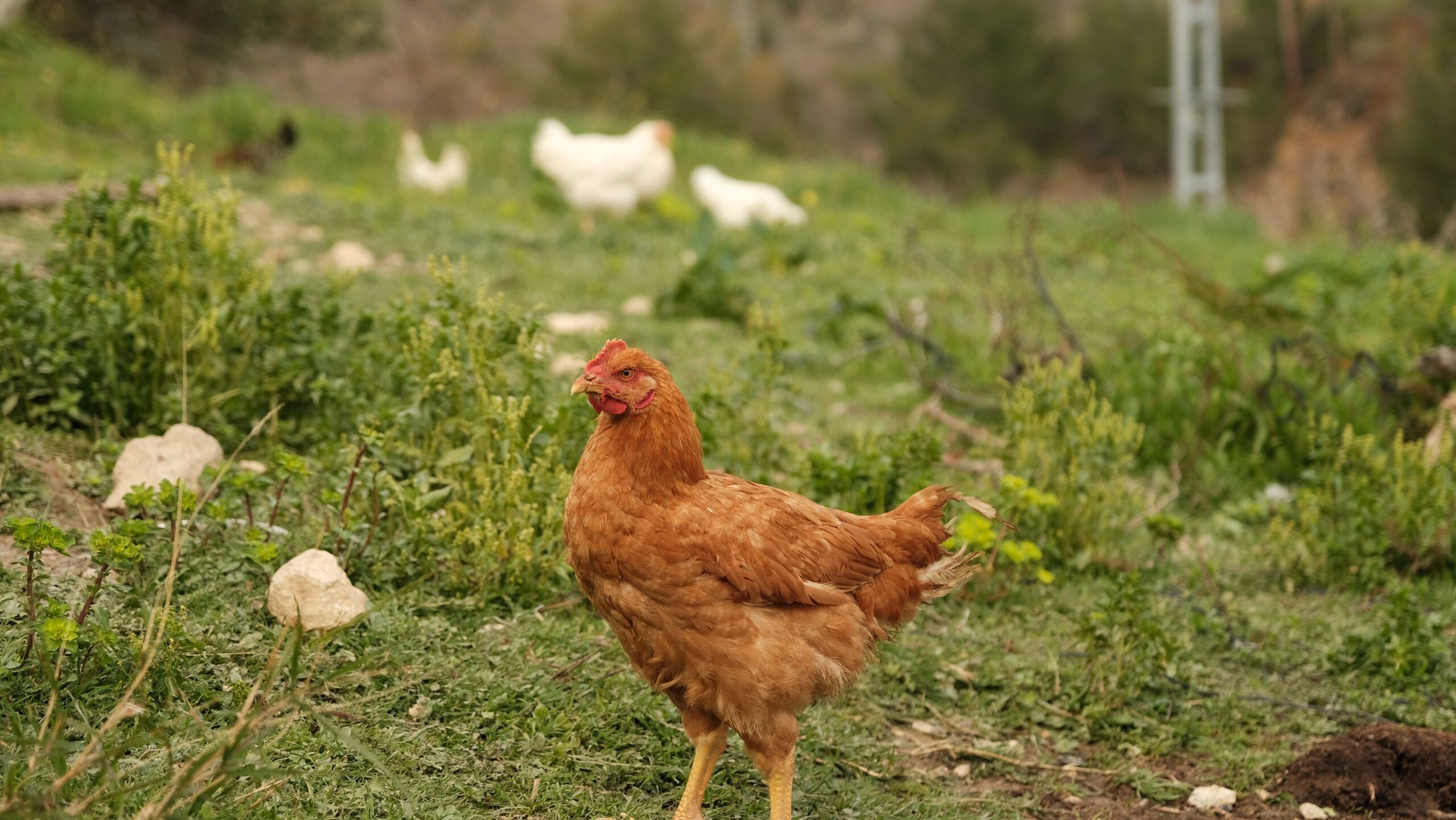
Nearly one in five Tractor Supply customers now own chickens, and the retailer sold roughly 10.5 million chicks during its 2024 spring “Chick Days” event alone, according to reporting on the company’s own sales data and customer figures. About 11 million Americans currently keep backyard chickens, a roughly 28% increase since 2023 based on industry survey data. The twist: egg prices, the thing that supposedly started this whole trend, are actually falling now — and ownership still isn’t slowing down.
The Boom That Outlasted the Crisis That Started It
Retail egg prices climbed 32.2% in 2022 and another 21.9% in 2025, spiking as high as $6.23 a dozen in March 2025 as avian flu tore through commercial flocks, according to USDA’s Economic Research Service food price data. That’s the run-up that sent households to feed stores in the first place. But the same USDA data now shows retail egg prices running 25.7% lower in July 2026 than a year earlier, with the agency projecting a roughly 31% decline for the full year as flocks recover and avian flu detections ease. By most logic, that should have cooled off the backyard chicken trend. It hasn’t. Tractor Supply’s own leadership told investors the chicken-owning customer segment has shown no slowdown despite the price relief, and the company is expecting another record year of chick sales.
What’s Actually Driving It Now
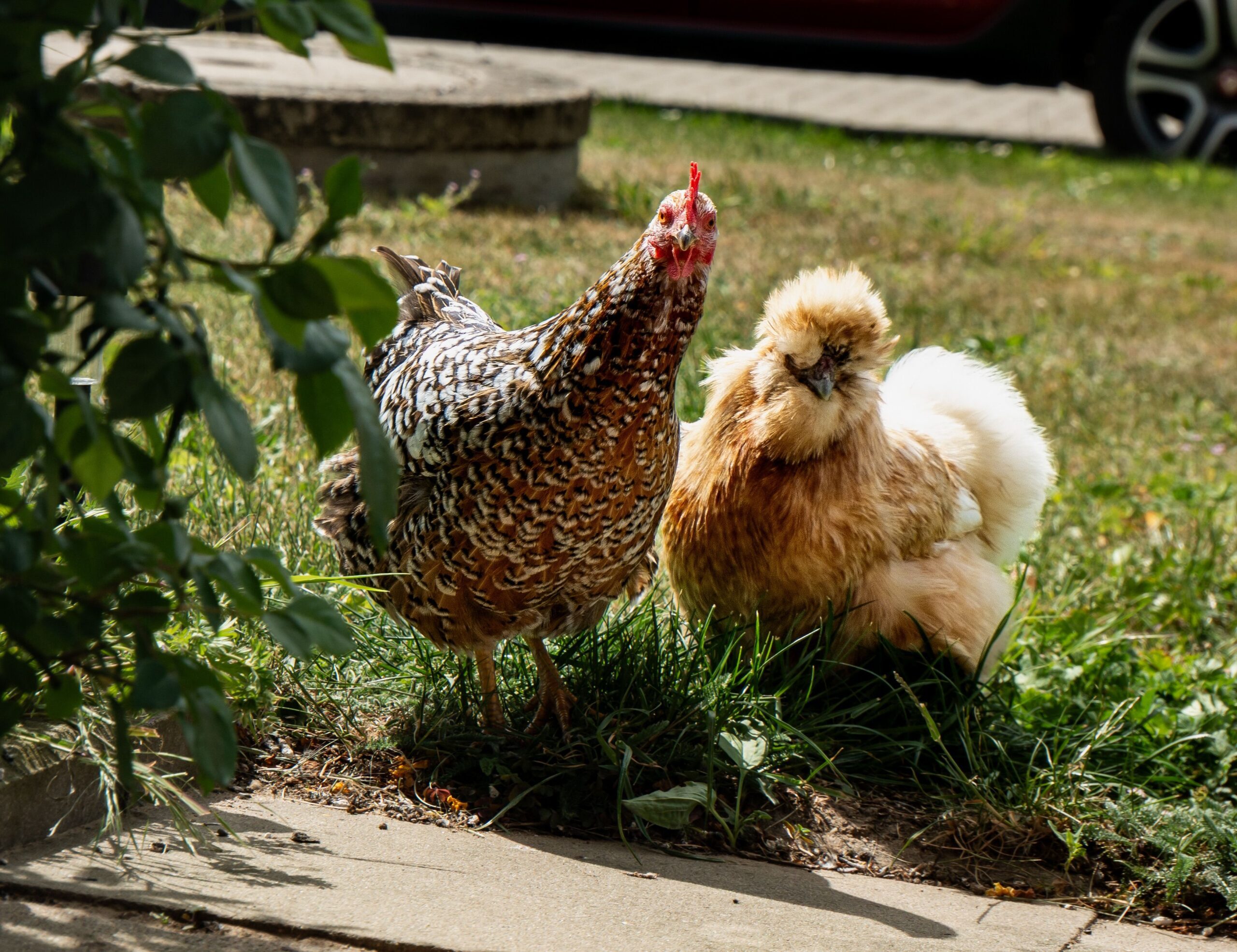
Feed and farm retailers on the ground back that up with harder numbers. One Minnesota feed store told local media its revenue jumped nearly 200% year over year, while a hatchery in the same state reported chick sales in 2025 that outpaced even the original pandemic rush of 2020 and the first egg-price spike of 2021-2022. Household ownership figures tell a similar story: an estimated 5.8 million U.S. households kept backyard chickens in 2018, a number that swelled past 15 million during the pandemic, dipped as that novelty wore off, then climbed back to around 11 million by 2024 as bird flu and price shocks hit again — and by several industry survey accounts, chickens are now the fourth most commonly kept pet in American households. What started as a grocery-bill workaround has settled into something closer to a permanent hobby, the same way pandemic sourdough starters mostly didn’t survive but pandemic-era chicken coops largely did.
What It Actually Takes to Get a Permit
Rules vary enormously by city, and that patchwork is its own barrier to entry. Minneapolis allows up to 30 hens with an $84 annual permit and lets residents keep roosters for an extra $100; St. Paul caps flocks at 15 hens, charges a $76 setup fee plus $28 a year, and bans roosters outright. Los Angeles and Dallas require no permit or hen limit at all, while Philadelphia and Miami still prohibit backyard flocks entirely inside city limits. Most municipalities that do allow chickens require some combination of a fenced or covered run, a minimum coop setback from property lines and neighboring homes, and a cap on flock size — details worth confirming with a local zoning or animal control office before ordering chicks, since violating an ordinance after the fact usually means rehoming birds you’ve already gotten attached to.
The Real Cost Before the First Egg
The economics rarely pencil out as pure grocery savings, and most experienced keepers will say so upfront. A basic coop runs anywhere from $100 for a simple kit to well over $1,000 for something predator-proof and winter-ready, plus roughly $15 per 10 square feet of hardware cloth to keep the run secure from hawks and raccoons. Ongoing feed costs run about $20 a week for a small flock, and hens typically don’t start laying until five or six months old — meaning a new flock owner spends money for half a year before collecting a single egg. Factor in that a healthy hen lays for two to three years before production tapers off, and the math looks a lot more like a hobby with fresher eggs than a genuine cost-cutting move.
None of that seems to be slowing the trend down. The households driving the current wave of chicken ownership mostly aren’t chasing this month’s egg prices anymore — they already own the coop, they’ve already named the hens, and by the numbers, they’re not giving them up just because the grocery store got cheaper again.