Moving day has a way of exposing every forgotten corner of the house. The half-empty paint can in the garage, the propane tank by the grill, the candles in the hall closet, the jar of pickles in the fridge. Families box it all up, only to have the crew politely decline to put it on the truck.
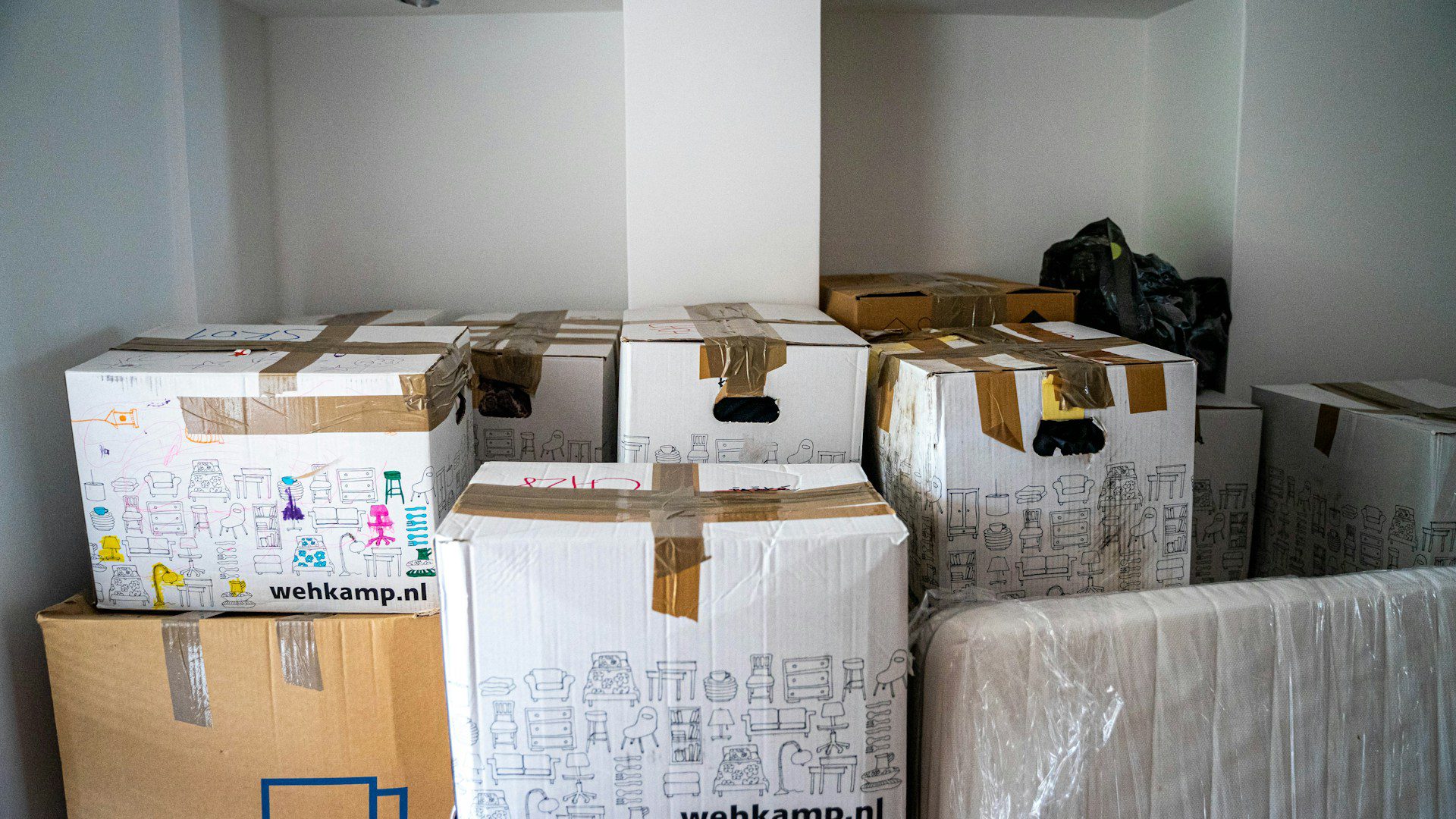
The reason is safety. Movers publish lists of items they will not carry, and the two big ones are clear. United Van Lines says it “will not transport hazardous items, including explosives, flammable gases and toxic substances,” and Allied lists its own non-transportable categories. Here are eleven items drawn from those two lists.
1. Household Cleaning Products Are On United’s Prohibited List
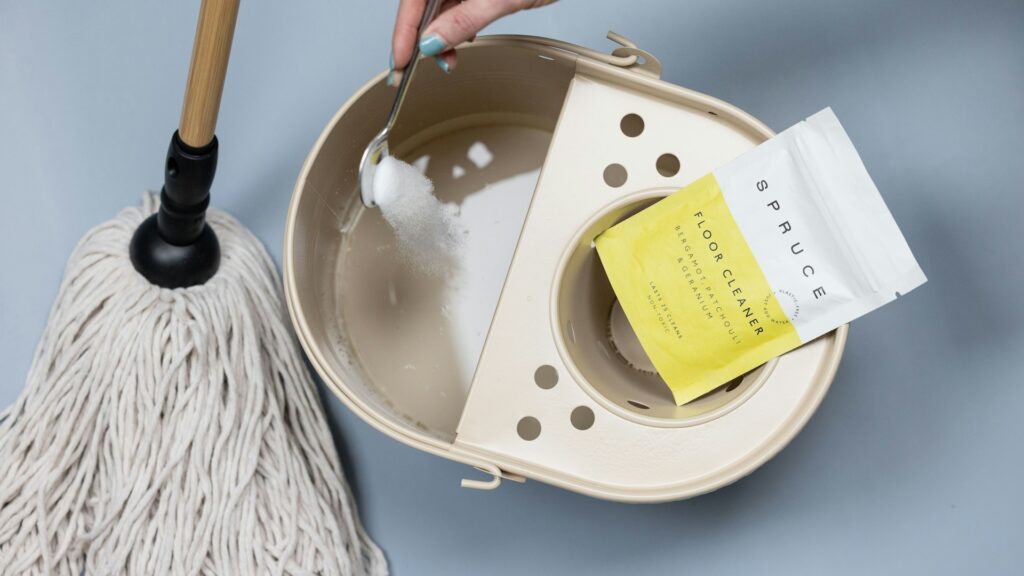
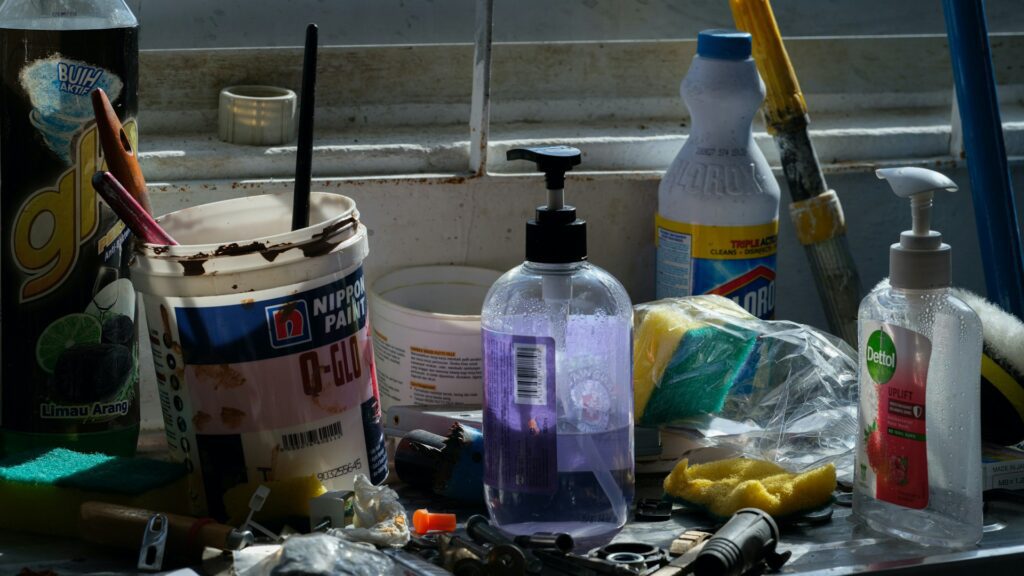
United Van Lines lists household cleaning products among its prohibited items, along with corrosive chemicals and poisons. The same product also appears on its “not recommended” list, so the cleaning supplies are best used up, donated or carried in your own car.
That means the bleach under the sink does not ride in the van.
2. Lawn And Garden Chemicals Stay In The Shed
United’s prohibited list names lawn and garden chemicals. The company says hazardous items like these must be disposed of under federal, state and local laws to protect the environment, so any half-used jugs from the shed need a proper drop-off.
Check with your local waste facility for the nearest drop-off.
3. Alkaline And Lead-Acid Batteries Are Off Limits
United says it will not move alkaline or lead-acid (automobile) batteries. The shipper does list some batteries as restricted, such as those that power personal mobility devices, but those need preparation and prior written notice to your move coordinator.
The company adds that for restricted items, claims for loss or damage “may be denied” even when they are properly prepared.
4. Gasoline, Lighter Fluid And Other Gas And Oil Products Do Not Ride Along
United’s prohibited list includes gas and oil products, and Allied’s list of common household hazards names gasoline, lighter fluid and automotive repair and maintenance chemicals. Empty gasoline cans and other fuel storage are restricted at United, which means special handling at the owner’s risk.
If you have a lawn mower, drain the tank according to the owner’s manual before the move.
5. Propane Cylinders And Compressed Gas Are Hazardous Cargo
United prohibits compressed gas cylinders, and Allied names propane cylinders and oxygen bottles among its hazardous items. Allied’s broader hazardous list also covers explosives, flammable liquids and solids, oxidizers, poisons, corrosives and radioactive materials.
The restriction is meant to protect others, since these items “may cause fires, accidents, or health and safety concerns” and could damage other belongings in the truck, Allied says.
6. Paint, Paint Thinner And Nail Polish Remover Count As Hazards
Allied lists paints and paint thinners, along with nail polish remover, in its common household hazardous items. These are the leftover cans most garages have in a corner.
Use up what you can, give unopened cans to a neighbor and take the rest to a hazardous waste collection day.
7. Wax Candles Can Melt And Make A Mess
United lists wax candles on its prohibited list. It is a surprise to many families who have a drawer full of them.
Pack candles in your own vehicle, or use them in the last weeks before the move.
8. Ammunition And Gunpowder Are Not Allowed
Ammunition, including gunpowder, is on United’s prohibited list. Unloaded firearms can move only as a restricted item at the owner’s risk with prior written notice. Allied also notes that state or country rules may apply on interstate and international moves, and that violations “may result in hefty fines or penalties.”
Check local and state law before you move any firearm.
9. Live Plants And Animals Need A Different Ride
United’s prohibited list includes live animals or plants. Pets and houseplants travel with you, not on the truck.
Plan ahead for the plants, since cold or heat in a moving van is hard on them.
10. Perishable Food And Food In Glass Jars Should Be Used Up Or Given Away
Allied’s list includes food in glass jars, perishable foods and prescription drugs needed for immediate use. The company suggests throwing away leftover food or keeping it with you.
Start eating down the freezer and pantry a few weeks before the move to avoid a last-minute cooler.
11. Fireworks And Matches Are Flagged As Fire Hazards
Allied’s examples of common household hazardous items also include fireworks and matches. Like the other fire-risk items on the list, they stay out of the shipment.
Dispose of them safely rather than tossing them in a box at the last minute.
What To Carry Yourself
Both companies also tell families to keep certain things close. Allied recommends keeping cash, coin collections, family photos, important personal papers such as deeds and wills, jewelry and moving documents in your possession, and says family heirlooms cannot be replaced with insurance or basic liability coverage. United’s “not recommended” list includes photo albums, passports and IDs, medications, keys, phones and financial records.
- Ask your mover for its current written list before you start packing.
- Set aside a “keep with me” box for papers, medicine and valuables.
- Find your local hazardous waste drop-off before moving week.
Lists vary by company, so confirm with your mover. A few phone calls now can keep your belongings, and your truck, safe on moving day.
More Stories You May Like
- Estate Sale Companies Can Take A Big Cut, And Tossing Items Before Checking Their Value Costs Families, So Get More Than One Opinion And Read The Contract
- Grandparents Give $172 Billion A Year To Their Families And 90% Help Financially, Spending More Than A Typical Monthly Social Security Check
- Mercari Offers Free Shipping On Orders Of $50 Or More Through January 4, But The Fine Print Caps Weight At Five Pounds And Single Items Must Use Best Rate