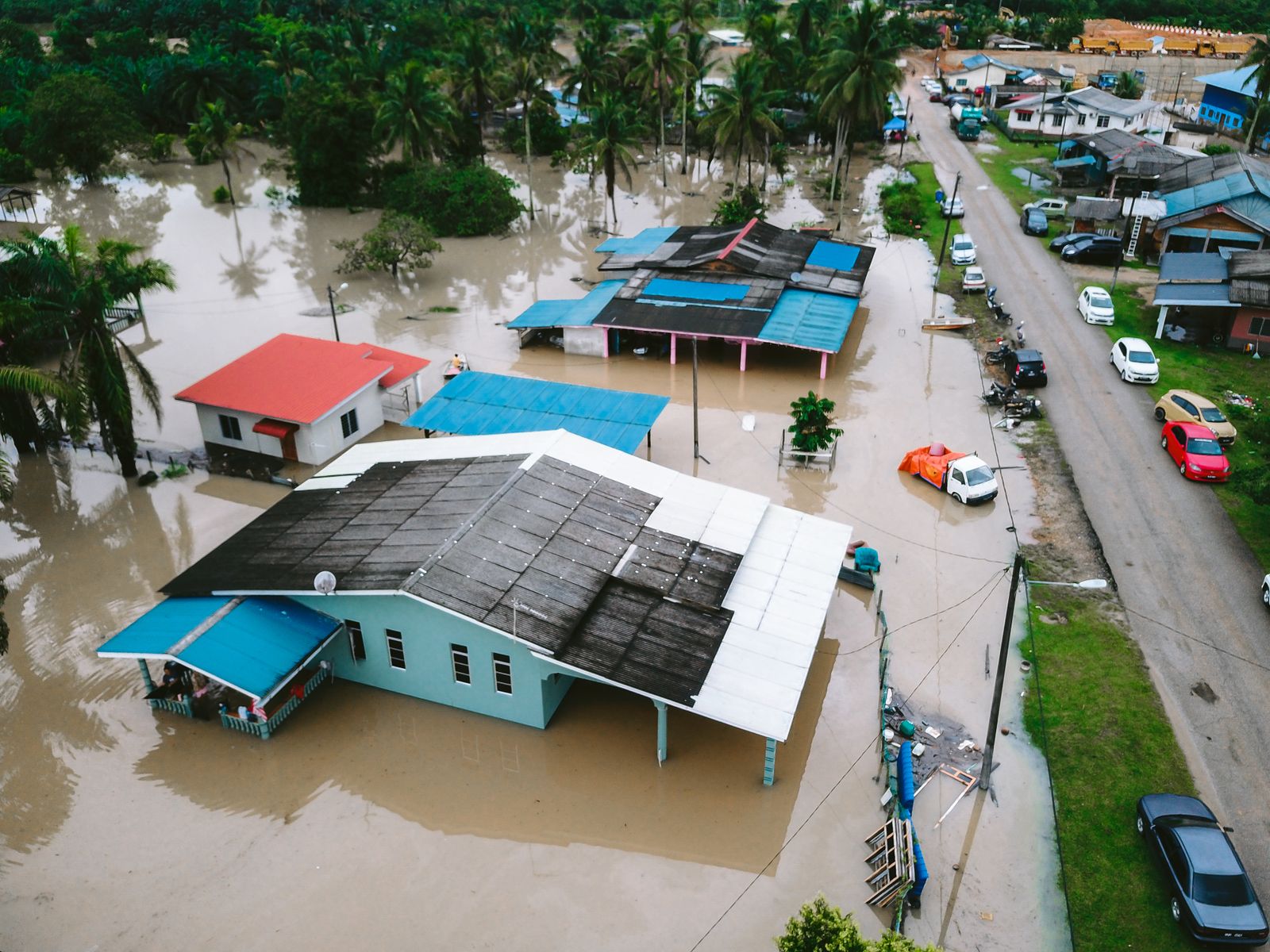
Flash flood watches are in effect across parts of Idaho and Oregon because ground scorched by recent wildfires can no longer absorb heavy rain, leaving homes downhill from several burn scars at risk of sudden debris flows, according to Idaho News.
Key Points
- Watches cover southeastern Baker County, Oregon, and western Washington County, Idaho, plus the area around the Wapiti Burn Scar in central Idaho, per Idaho News
- Four burn scars are named in the alerts: the Fox, Power River and Tartar burn scars, watched through 8 p.m. Friday, and the Wapiti Burn Scar, watched through Saturday evening
- Communities near the Wapiti area, including Grandjean, Banner Summit and Cape Horn, are flagged as particularly vulnerable
- The National Weather Service says monsoonal moisture moving through the region could bring thunderstorms heavy enough to trigger flash flooding and debris flows

Why Burn Scars Raise the Risk
- Wildfire strips away the vegetation and root systems that normally slow rainfall and let it soak into the ground
- Burned soil can also become water-repellent at the surface, so rain runs off almost immediately instead of infiltrating
- That combination means a burn scar can turn a routine thunderstorm into a fast-moving flood or debris flow in terrain that would have handled the same rain safely a year earlier
- Debris flows move quickly and can carry rocks, mud, ash and downed trees, making them more destructive to homes and roads than ordinary flooding
This elevated risk isn’t permanent, but it also isn’t short-lived: burned watersheds typically stay flood-prone for at least two to five years until vegetation and root systems reestablish themselves. Homes built downhill or downstream from a recent fire footprint carry that risk every time a heavy storm rolls through during that recovery window, regardless of how far the flames themselves ever reached the property.
What Residents Should Do
- Know whether your property sits downhill or downstream from a recent burn scar, since that terrain behaves differently than it did before the fire
- Have a way to receive NWS flash flood warnings, which can be issued with little lead time once a storm develops over burned terrain
- Move vehicles and outdoor belongings away from low-lying areas, culverts and drainage paths before storms arrive
- Never drive or walk through flowing water, even water that looks shallow, because debris flows can arrive with little warning
- Have an evacuation route in mind that doesn’t rely on crossing a drainage or creek bed near the burn scar
Flash flood watches tied to burn scars have become a recurring late-summer pattern across the Mountain West as wildfire seasons extend and monsoon moisture pushes into recently burned terrain, and this week’s alerts across Idaho and Oregon follow that same seasonal script.