One user was caught off guard when they realized a significant part of their social life was built on emotional exhaustion. They had been the go-to person for friends who needed a shoulder to cry on, but stepping back made them confront a rather unsettling truth: many of those friendships only thrived because they had been filling a role rather than engaging as their authentic self.
In her reflection, she described how growing up in an enmeshed family shaped her view of relationships. The pressure to manage others’ feelings was so ingrained that she took it into adulthood without even noticing. She constantly felt responsible for ensuring everyone around her was okay, erasing her needs in the process. It wasn’t just family dynamics; that learned behavior seeped into her friendships, placing her in a position of emotional caregiver.
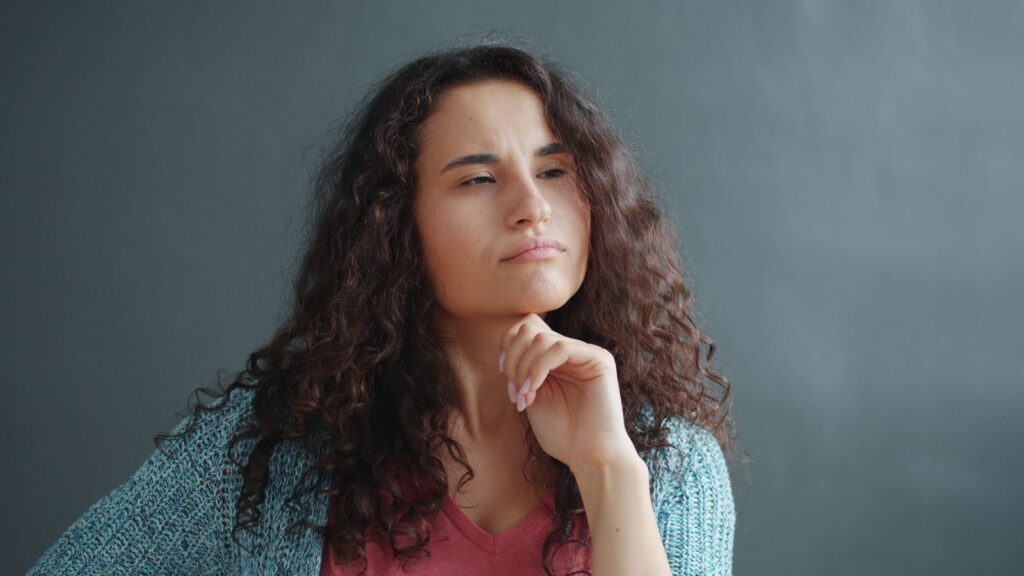
As she began to recognize this pattern, she stopped being the emotional support for her friends. Initially, the shift was painful. Many of those friendships faded when she stopped over-functioning. The abrupt end of these connections made her question the authenticity of those relationships. Had they only thrived because she had been the one to hold everything together?
Dating revealed similar issues. She often found herself altering her personality to fit what she assumed potential partners wanted. Whether it meant laughing at jokes that didn’t amuse her or settling for relationships because they looked good on paper, she was molding herself to please others rather than being true to herself. Now, in a phase where she prioritizes her own growth, she feels less attached to people who drain her emotionally.
She expressed a newfound impatience for friendships marked by constant venting without any desire to change. After years of being the go-to person for emotional support, the sheer weight of that role left her feeling depleted. Her focus has shifted toward building her career and developing a life that reflects her true self rather than being the emotional crutch for others.
People had very different reactions to her realization. Some said they too had undergone a similar transformation, noting that stepping back from intense friendships helped them discover interests and goals that had long been pushed aside. Others pointed out that recognizing feelings of enmeshment opened the door to healthier connections, emphasizing the importance of boundaries. They echoed the sentiment that genuine relationships flourish when both parties are emotionally independent.
Some shared their experiences of wanting solitude, suggesting that it often feels like a necessary step to reclaim personal space. Others mentioned becoming hyper-independent, emphasizing how that independence can sometimes be misinterpreted as shutting people out completely. The conversations drifted toward how to strike a balance between setting boundaries and still being open to meaningful connections.
Many offered insights on what healthy friendships can look like after overcoming enmeshment. They noted that these relationships felt more reciprocal, less about one person shouldering the emotional burden while the other simply vents. Connections based on shared interests and mutual support emerged as the new norm for those who had once felt trapped in emotionally unbalanced scenarios.
In the midst of these discussions, one question lingered: Can authentic relationships exist without the underlying dynamic of emotional caretaking? As the dialogue unfolded, the complexities of navigating friendships and intimacy in the wake of enmeshment opened up a deeper exploration of boundaries and connection. In a world where emotional labor can be both necessary and exhausting, the journey toward understanding oneself while finding balance in relationships continues to provoke thought.
More from Decluttering Mom: