Spend $28,458 refacing cabinets and swapping appliances in a dated kitchen, and the data says you’ll recoup $32,141 at resale — more than every dollar back, and then some. Spend $164,104 gutting that same kitchen down to the studs for a designer-grade overhaul, and you’ll recover roughly 36 cents on every dollar, according to the 2025 Cost vs. Value Report. Walk down the hall to the bathroom and the pattern repeats almost exactly: a tasteful midrange refresh returns 80 cents on the dollar, while an upscale version that expands the room barely clears 42. Two different rooms, two very different budgets, and the same lesson sitting underneath both of them. If you’ve been trying to decide whether a kitchen or a bathroom will pay you back more, the honest answer has less to do with which room you choose and more to do with how far you push it once you’re in there.
The Kitchen Numbers, Plainly
The Cost vs. Value Report is the industry’s benchmark for this kind of comparison — it pairs real construction cost data with appraiser-adjusted resale estimates across 115 U.S. markets, and it’s been the go-to reference for remodelers and real estate professionals for decades. For 2026 planning, the newest figures show a minor kitchen remodel costing $28,458 nationally and returning $32,141 at resale, a 112.9% cost recouped. Step up to a major midrange kitchen remodel, averaging $82,793, and the return drops to $42,130, or 50.9%. Push into upscale territory at $164,104, and you’ll get back $58,561 — 35.7%. The cost roughly doubles at each step up, but the dollars you actually recover barely move.
What “Minor” Actually Means in a Kitchen
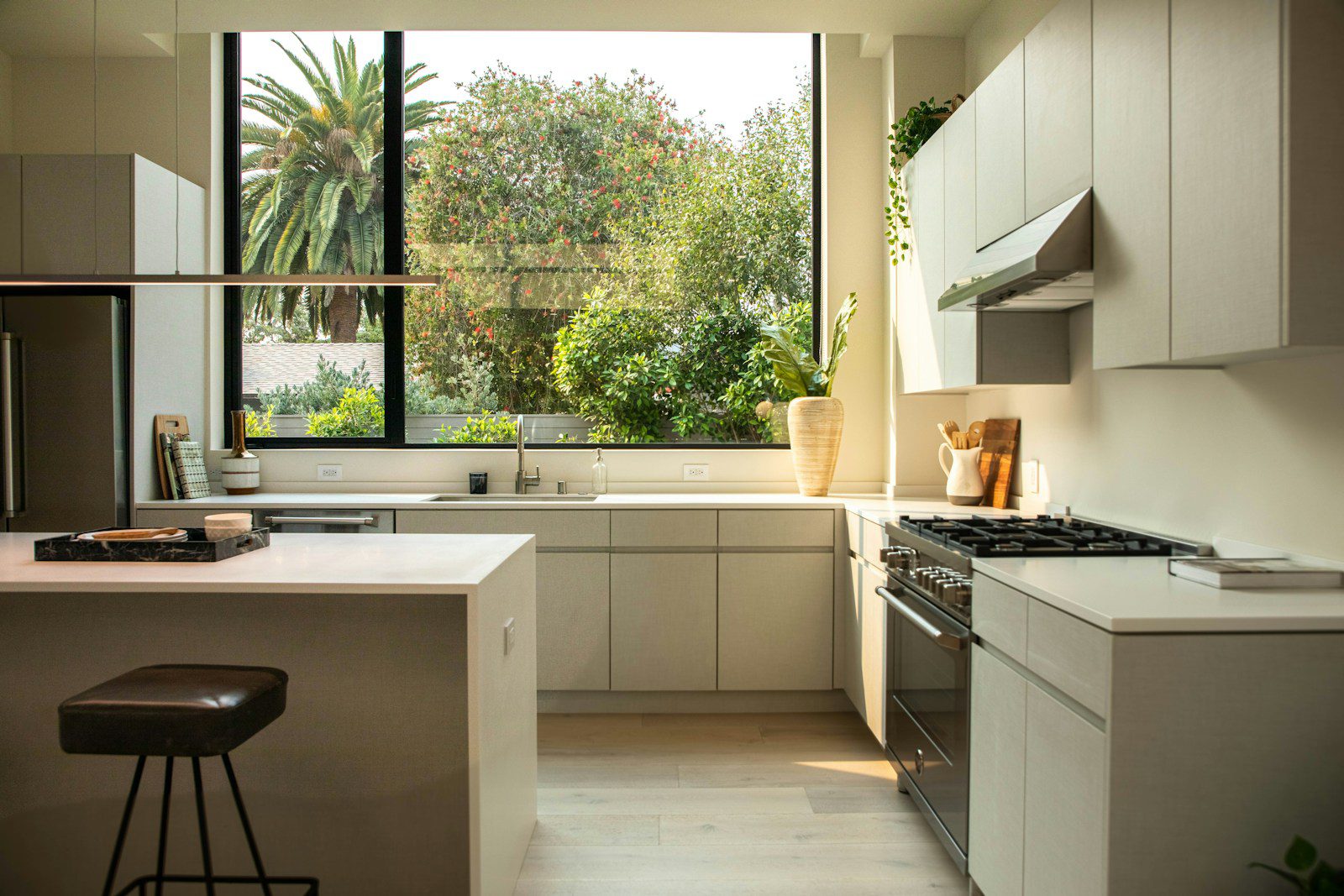
Here’s where the nuance matters, because “minor” doesn’t mean cheap-looking. In the report’s scope, a minor kitchen remodel keeps your existing cabinet boxes in place but replaces the doors and drawer fronts with new Shaker-style panels and hardware, swaps in a new range and refrigerator, adds a midpriced sink and faucet, replaces the countertop, and puts down new flooring — all without touching the layout. It looks like a new kitchen. It just isn’t a new floor plan. That distinction is the whole ballgame: you’re refreshing what’s there instead of reengineering it, and buyers reward that update almost dollar for dollar because it removes the “this kitchen needs work” objection without asking them to pay for finishes they might have chosen differently themselves.
Where “Major” Stops Paying for Itself
A major kitchen remodel, by contrast, tears out the cabinets entirely, reconfigures the layout, often adds an island, and upgrades every appliance and light fixture. Push to the upscale tier and you’re adding custom cabinetry, stone counters, a commercial-grade range, a built-in refrigerator, and designer plumbing fixtures. It’s genuinely a better kitchen. It’s just not a proportionally better investment, because appraisers and buyers price a house against comparable homes on your block, not against how much you personally spent on quartzite. Once your kitchen outpaces the neighborhood, the extra spending stops translating into extra value — you’ve simply bought yourself a nicer kitchen to live in, which is a fine reason to do it, just not the reason to expect a check at closing.
The Bathroom Tells the Same Story, With a Twist
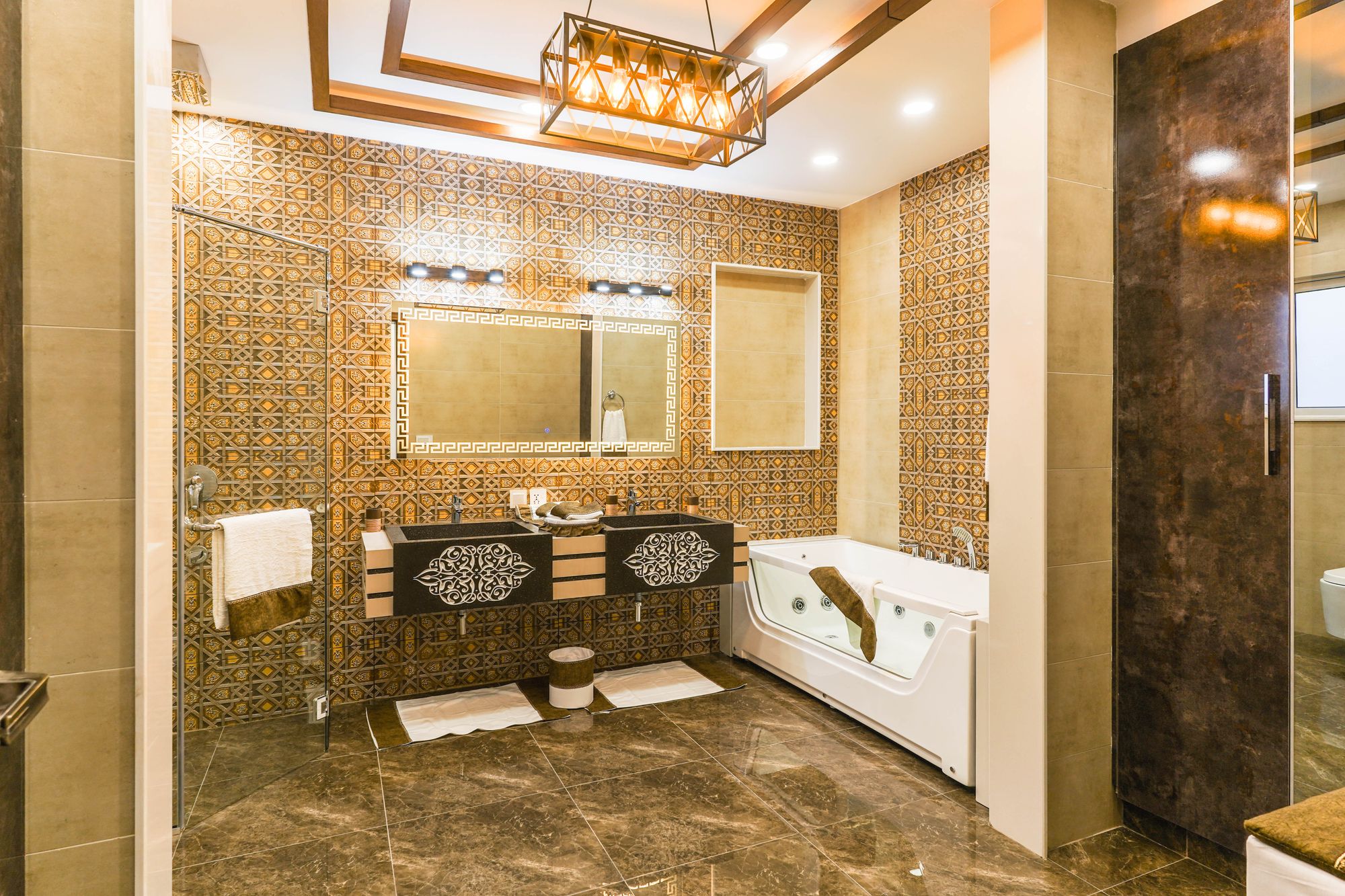
Bathrooms follow the identical shape: a midrange refresh costing $26,138 returns $20,915, an 80% cost recouped, while an upscale version at $81,612 returns $34,000, or 41.7%. But the twist is in the scope. A midrange bathroom remodel works inside your existing 5-by-7-foot footprint — new tub, new tile surround, new toilet, a solid-surface vanity, updated lighting. The upscale version in the same report isn’t just fancier fixtures in the same room. It expands a 35-square-foot bathroom to 100 square feet, adds in-floor heating, a walk-in shower with body sprays, a freestanding soaker tub, and a double vanity. That’s not a finish upgrade. That’s demolition, structural work, and rerouted plumbing, which is consistently among the most expensive work a house can undergo, and it shows up in the return. The report’s bathroom addition projects confirm it: a midrange addition costing $60,645 recoups 53.3%, and an upscale addition at $111,255 recoups just 36.4%.
Kitchen vs. Bathroom, Head-to-Head
Line the two rooms up at every tier and the kitchen wins consistently. A minor kitchen update at 112.9% beats a midrange bathroom at 80%. A major midrange kitchen at 50.9% still edges out an upscale bathroom or bathroom addition sitting in the mid-30s to low-40s. The gap isn’t close at the low end and it only narrows slightly at the high end. If you’re genuinely choosing between the two rooms with a fixed budget and resale is your main goal, the kitchen is the stronger dollar-for-dollar bet almost across the board — but only when you keep the scope modest. A blown-out bathroom will always lose to a light kitchen refresh, and a blown-out kitchen will lose to almost anything modest.
What Buyers and Agents Say Beyond the Spreadsheet
A separate, independently gathered dataset backs this up. The National Association of Realtors surveys its members every year on which projects actually move buyers, and its 2025 Remodeling Impact Report puts national cost recovery at 60% for both a kitchen upgrade and a complete kitchen renovation, versus 50% for a bathroom renovation. The absolute numbers differ from the Cost vs. Value figures because the two reports measure different things — one prices appraiser-adjusted resale value against construction cost, the other surveys real estate agents on perceived value — but the ranking lands in the same place. Interestingly, homeowners rate their own happiness with both projects identically: kitchen and bathroom renovations each earn a 9.8 out of 10 Joy Score, meaning the satisfaction gap between the two rooms is essentially zero even though the financial gap is real. Agents also lean kitchen when advising sellers, recommending kitchen upgrades 30% of the time before a listing versus 24% for bathrooms, and the report notes that kitchen upgrades and bathroom renovations have both been top areas of rising buyer demand over the past two years.
Why the Gap Exists
Three forces drive this, and none of them are mysterious once you see them. Appraisers value your home against recent comparable sales nearby, so spending far beyond what similar houses on your street command runs into a ceiling no amount of stone countertop can push through. Labor and material costs escalate faster than value does once you move from swapping components to relocating plumbing, walls, and electrical — structural work is expensive precisely because it’s structural, not because it’s beautiful. And most buyers are shopping for a house that feels done and move-in ready, not one that reflects someone else’s very specific taste in fixtures; a neutral, well-executed update reads as a blank canvas, while a heavily customized luxury renovation can actually narrow your buyer pool.
Where This Leaves You
If resale timing is on your mind at all, a minor kitchen refresh is the single hardest-working renovation dollar in the house, full stop, and it’s worth doing before almost anything else on this list. Once that’s handled, a midrange bathroom update inside the existing footprint is your next-best move, particularly if your current bathroom is the kind of dated that makes buyers mentally subtract money from an offer. Where this gets more personal is the moment you consider going bigger. A gut renovation or a footprint-expanding bathroom addition isn’t a bad decision — it’s just a decision you should make for how you want to live in the house, not for what you expect it to hand back at closing, because the data is unambiguous that scope, not room choice, is what erodes return. The homeowners who get the best of both worlds aren’t the ones who pick the “right” room. They’re the ones who know exactly how much house their neighborhood will actually pay for, and stop there.