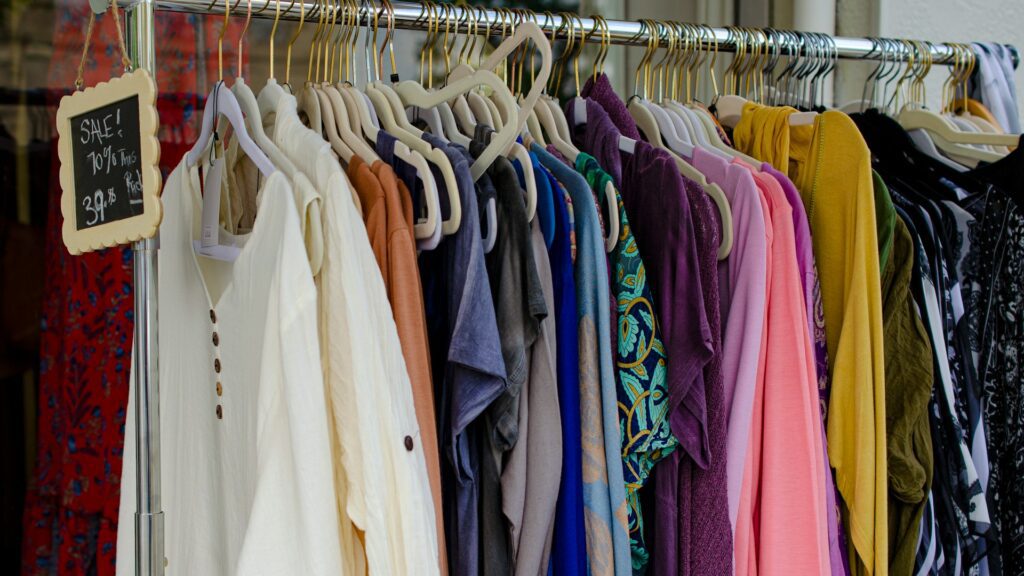
You found the perfect dresser, the stroller you have been hunting for, or a set of kitchen chairs at half the store price. The seller is friendly, the photos look great, and the only thing left is the handoff. This is the moment that deserves a little more thought than most of us give it. Meeting a stranger for a local pickup is a normal part of buying and selling secondhand, but it is also the point where a good deal can turn into a bad day.
Most buyers and sellers are exactly who they say they are. They want a lamp or a bike and they want to get home. Still, you are agreeing to meet someone you know almost nothing about, often with cash or a valuable item in your hands. A few simple habits take the risk way down without ruining the fun of finding a bargain.
Why a Casual Handoff Is Riskier Than It Looks
Online listings feel friendly. Chat messages are quick, the profile picture smiles, and the whole thing seems like a chat over the back fence. But a profile can be made up in minutes, and a polite message tells you very little about the person behind it. When you meet at your home, you also tell that person where you live, what you own, and when you are likely to be there.
That is why moms and grandparents in particular should slow down. Many of us are juggling kids, errands and naptime, and we say yes to the first time slot offered. Older sellers may be clearing out a house and have several valuable items out on display. A stranger who knows your address and sees what is inside can later use that information. You do not have to be afraid of every buyer, but you should never hand over details you do not have to.
Never Give Out Your Address Early
Your address is the one piece of information to hold back as long as you possibly can. A buyer does not need it to say they are interested, to ask questions, or to agree on a price. Keep the whole conversation inside the app or website where you listed the item, and be wary of anyone who pushes to move to text or email right away.
If a buyer keeps asking for your street name or says they will just show up, that is a sign to pause. A real buyer will understand when you say you prefer to meet somewhere public. If someone argues about it, you have learned something useful about how the rest of the deal would go, and you can walk away from the sale without losing anything.
Pick a Public Place With Other People Around
The best meeting spot is a busy, well-lit place with cameras and plenty of foot traffic. Many police departments around the country have set up safe exchange zones in their parking lots for just this purpose, so it is worth checking whether your local department offers one. A bright store parking lot near the entrance is another sensible choice. Avoid empty lots, side streets and anywhere that is hard to leave quickly.
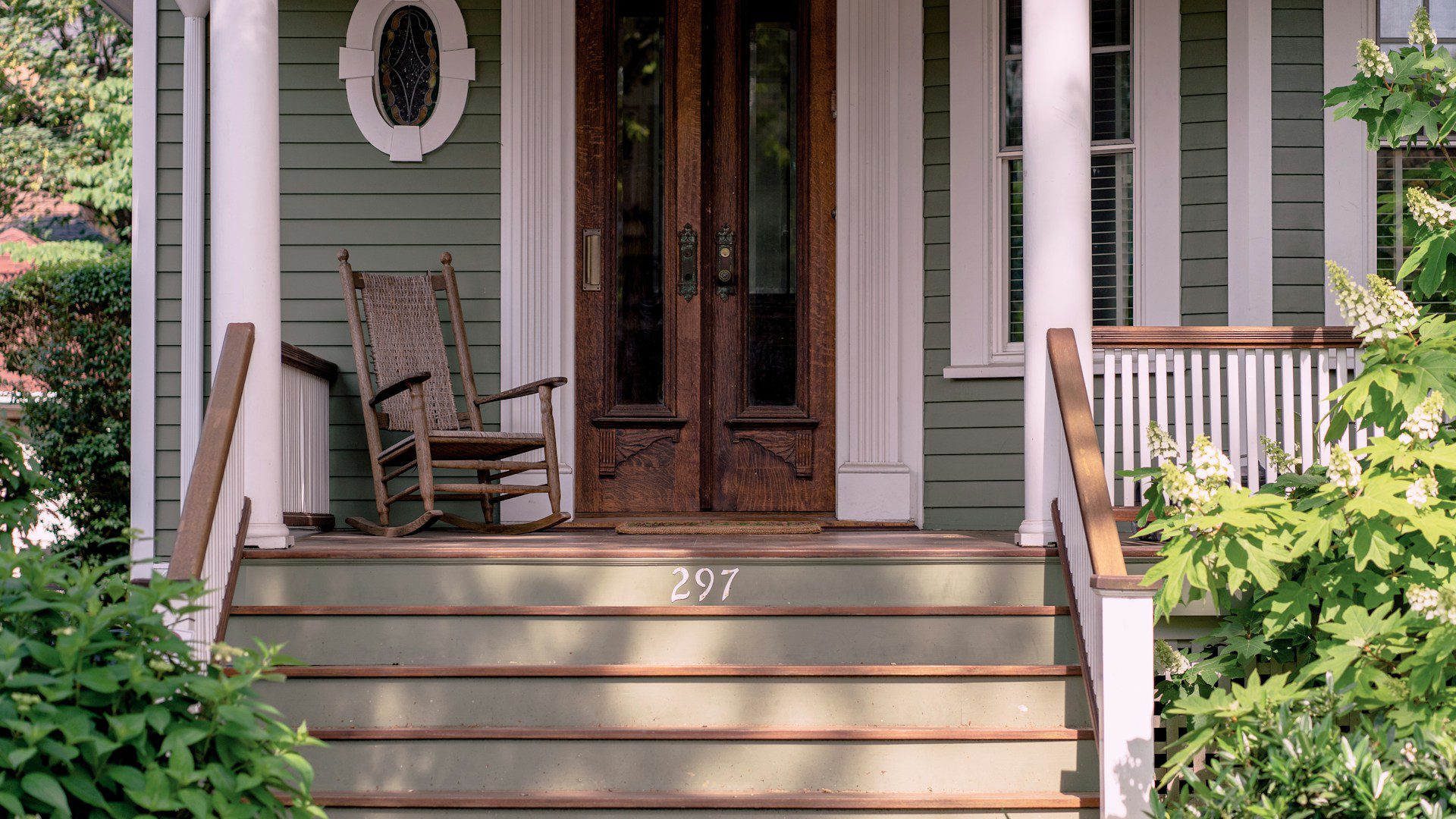
For large items that cannot be carried to a parking lot, such as a sofa or a table, you can still protect yourself. Move the item to the garage entrance or the front porch ahead of time so the buyer never has to walk through your living space. Keep the door closed behind you and keep valuable things out of view.
A Short Safety Checklist
- Meet in daylight whenever you can, and plan the handoff for a time of day when other people are out and about.
- Bring a friend or family member if you can. A second person makes almost any plan safer.
- Tell someone where you are going, who you are meeting, and when you expect to be back.
- Keep your phone charged and in your pocket, not in the car.
- Trust your gut. If something feels off, you are allowed to cancel, even at the last minute, and you do not owe anyone an explanation.
- Do not let anyone rush you. Pressure to hurry is a classic tactic of people with bad intentions.
Handle the Money the Smart Way
Cash is simple, but it can also be risky to carry and easy to dispute. If you are selling, count the money in front of you before you hand over the item, and look closely at each bill. If you are buying, bring only what you need. For bigger purchases, a payment app can feel safer, but be careful: only release the item once you can see the money in your own account, not just a screenshot on the buyer’s phone. Screenshots are easy to fake, and so are messages claiming a payment is on the way.
Never agree to send a code, click a link, or share personal banking details to complete a sale. A legitimate buyer does not need any of that. If a buyer offers to overpay and asks you to send back the difference, treat that as a red flag and decline.
What About Grandparents and Older Sellers?
If you are an older seller, you are not doing anything wrong by selling things online. You are being resourceful. But you may want an extra layer of backup. Ask a son, daughter or grandchild to help manage the listing, handle the messages, and be there on the day of the handoff. If your family is not nearby, a trusted neighbor can stand on the porch with you. Having another person present sends a clear signal that you are not an easy target.
It is also smart to keep your phone number off public listings if you can, use the platform’s built in messaging, and keep a short list of buyers you have dealt with so you can spot repeat visitors.
It Is Okay to Say No
Nothing about a used end table is worth putting yourself in a risky spot. If a buyer insists on coming to your house, changes the meeting place at the last minute, or makes you uneasy in any way, you can simply decline and relist the item. There will always be another buyer. There will not always be another chance to avoid a bad situation.
Secondhand shopping and selling are a great way to save money and clear out clutter, and for most people it goes smoothly. Take a few minutes to plan the handoff, keep your address private until you truly need to share it, and meet where there are people and cameras. That small bit of caution means your biggest worry on pickup day can be whether the dresser fits in the car.
More Stories You May Like
- Mom Says Six Small Cleaning Tasks Take Her Less Than Half An Hour And Keep Her Whole Home In Maintenance Mode Starting With Making The Bed Every Day
- How to Thrift Things That Actually Sell Is Explained by a Reseller Who Says Most People Buy the Wrong Items
- Reseller Shares a Hack for People Who Do Not Want to Hold Inventory and Still Want to Make Money