Bedtime with one child who isn’t sleep trained is hard enough. A mom of three decided to film the full, unedited reality of putting all three of her kids to bed on the same night, none of whom are sleep trained, moving between rooms as one gets settled only for another to call out, cry, or climb back out of bed the second she turns around. There’s no fast-forwarding through the hard parts and no cut to a peaceful ending. It’s simply what the job actually looks like on a normal night.
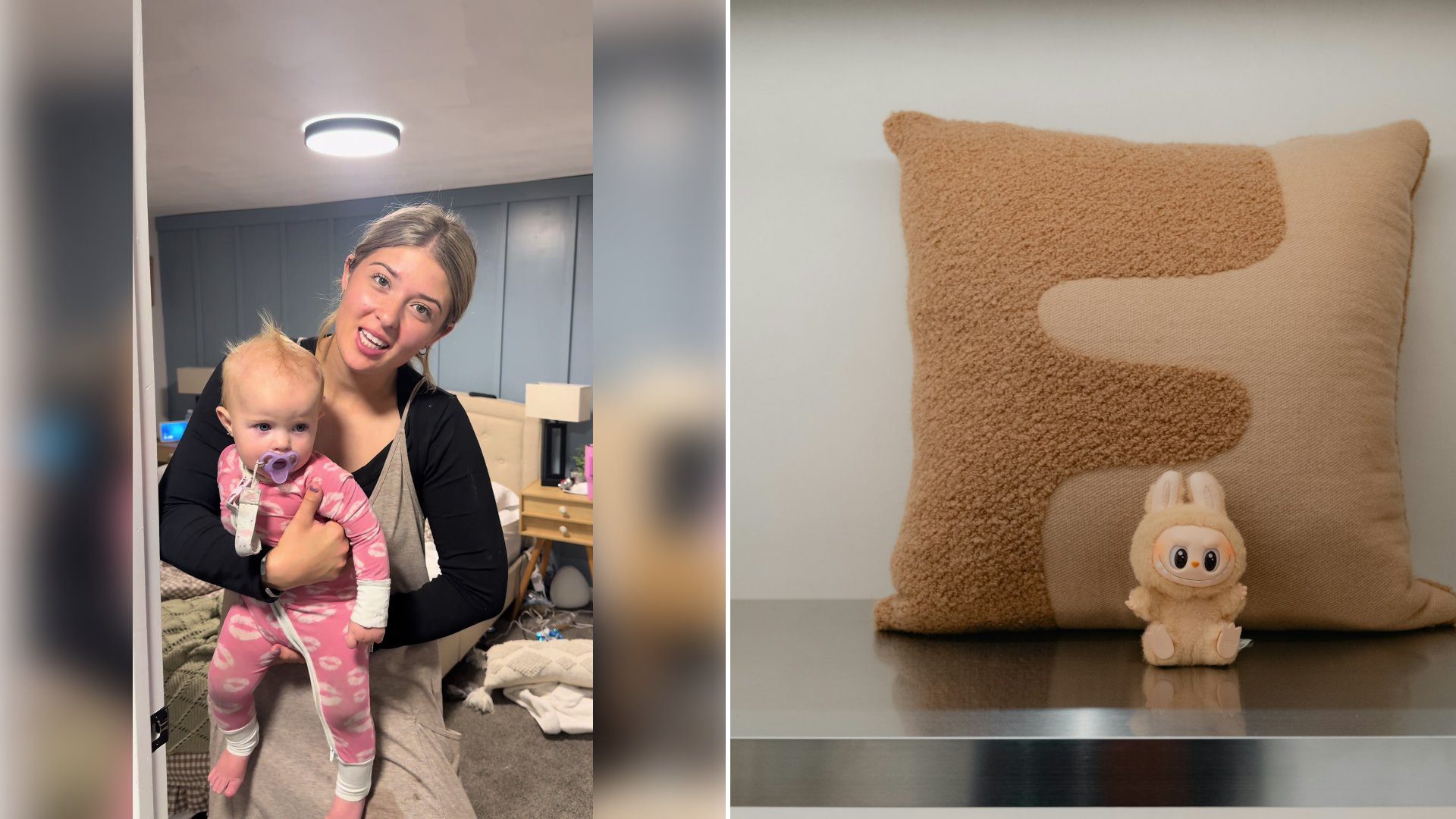
The creator, @rayne.kennnn, has built a following specifically on unfiltered documentation of life with three young kids, and this clip is a particularly raw entry — viewers in the comments said it was the most honest bedtime footage they’d seen precisely because nothing about it is smoothed over for the camera.
@rayne.kennnn
Sleep training, in the clinical sense, refers to a set of structured methods parents use to help an infant or toddler learn to fall asleep and stay asleep independently, rather than needing to be rocked, fed or held through every wakeup. Pediatric sleep specialists generally note that there’s no fixed age by which a child must be sleep trained, and that plenty of families choose gentler, more gradual approaches, or no formal method at all, often for reasons rooted in temperament, family culture or simply what feels right for that household. What’s true across the research, though, is that sleep training, when parents choose to pursue it, tends to be most effective when started consistently and, ideally, one child at a time — which is part of why bedtime for three untrained sleepers on the same night multiplies the difficulty rather than just adding to it.
Timelines for sleep training vary widely by method and child, but many commonly used approaches show meaningful improvement within one to two weeks of consistent nightly practice, with full independent sleep sometimes taking a month or more depending on the child’s age and temperament. For a family managing three kids at different developmental stages, that means three separate timelines, three separate temperaments, and three separate nights of disrupted sleep running in parallel — which is exactly the math this video makes visible instead of glossing over.
Parents navigating bedtime with multiple untrained sleepers at once often find a few adjustments make the chaos slightly more survivable, even if they don’t eliminate it. Staggering bedtimes by even fifteen to twenty minutes per child, rather than trying to settle everyone simultaneously, means a parent’s attention isn’t being split three directions at the exact same moment. Starting with whichever child tends to settle fastest, rather than the one who’s loudest about wanting attention first, can clear one task off the list before the harder ones begin. And accepting that some nights simply won’t go smoothly, rather than treating every rough bedtime as a sign something needs to change immediately, takes pressure off a process that was never going to be clean with three kids under one roof.
What makes this video stick with people isn’t that it’s dramatic. It’s that it’s ordinary — the exact scramble that plays out in houses with multiple young kids every single night, just rarely caught on camera without the easy parts edited back in.
More from Decluttering Mom
- Mom Says Toddler Tantrums Calm Down When Parents Say No Once and Stick to It and Explains Why Giving In Teaches Kids To Scream Louder Next Time
- Parenting Expert Shows What To Do When a Child Melts Down in a Public Place and Offers the Phrase She Wants Overwhelmed Parents To Try Next Time
- Mom Cooks Dinner While Carrying Her Toddler and Shares What It Feels Like To Parent at an Older Age in a Moving Message to Other Mothers and Why It Matters