

A mother’s habit of scrolling through alarming international headlines has driven her to begin hoarding baby formula, diapers, and other infant essentials in her home. She openly admits her anxiety about potential shortages has taken over her daily routine, pushing her to prepare for worst-case scenarios that may never materialize.
The mom’s fear of being unable to feed her children during a crisis has transformed her from a casual news reader into someone who checks multiple news sources throughout the day and maintains a growing stockpile in her closets.
Her story reflects a broader pattern among parents who have watched supply chain disruptions, international conflicts, and economic uncertainty unfold across their screens. The constant stream of crisis coverage has left her questioning whether she’s being prudent or letting fear control her decisions.

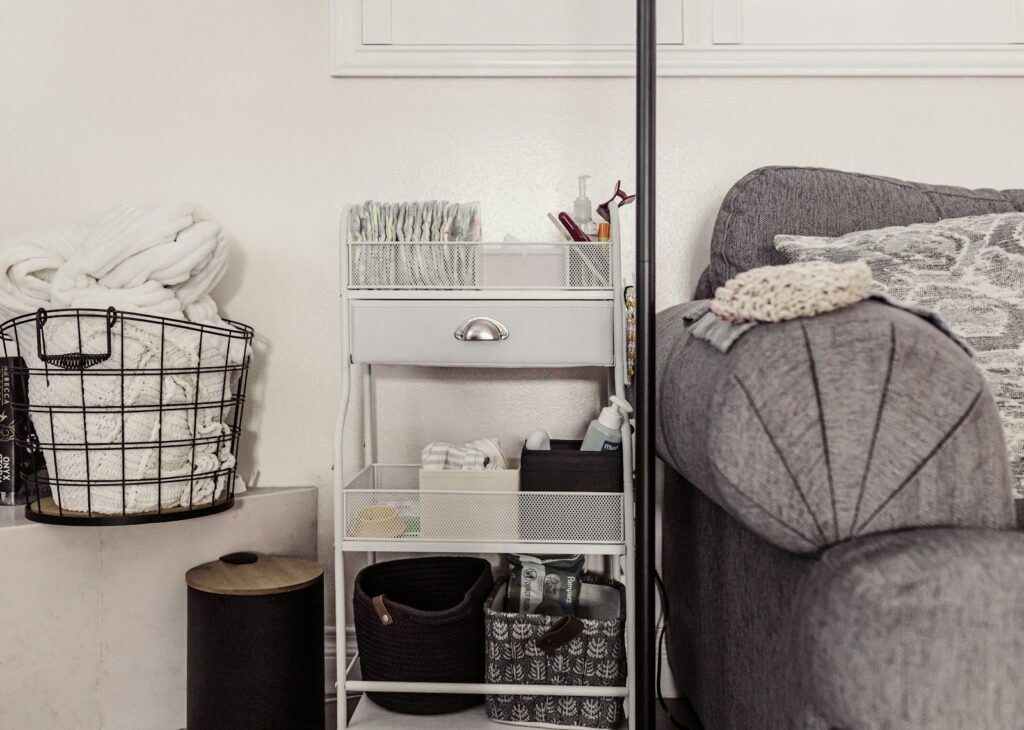
How Doomscrolling Global News Led to Stockpiling Baby Supplies
The mother’s compulsive consumption of negative news stories about supply chain disruptions and formula shortages triggered an intense fear response that fundamentally changed her purchasing behavior. Her nightly scrolling sessions through headlines about international crises and empty store shelves created a persistent anxiety that manifested in panic buying and hoarding essential baby items.
The Impact of Global News on Parental Anxiety
The constant stream of crisis coverage hit this mom particularly hard during late-night feeding sessions. She’d find herself scrolling through stories about formula recalls, shipping delays, and economic instability while her baby nursed.
Doomscrolling preys on a paradox where people seek information for control but end up feeling more powerless. Each article about bare supermarket shelves in other countries made her wonder if her local stores would be next. The algorithms kept feeding her more alarming content because she kept clicking.
Her husband noticed she’d become fixated on checking news apps multiple times per hour. She couldn’t stop reading about potential disruptions to baby food manufacturing or reports of parents struggling to find basic necessities. The habit of constantly scrolling online news headlines became intertwined with her role as a provider for her children.
Why Parents Feel Urgency to Prepare for Shortages
The 2022 baby formula crisis left a lasting impression on parents across the country. This mom remembered seeing photos of empty formula aisles and reading testimonies from desperate parents driving hours to find food for their infants.
Those memories resurfaced every time she encountered news about trade restrictions or factory closures. She’d read about potential tariffs on imported goods and immediately think about her stockpile running low. The fear wasn’t abstract anymore.
She began calculating how many weeks her current supplies would last. Three cases of formula. Eighteen jars of baby food. Two packages of diapers. The numbers ran through her head constantly, competing with thoughts about what could go wrong. Every news alert about global instability felt like a countdown timer on her ability to care for her kids.
Changes in Shopping Habits Driven by Fear
Her grocery trips transformed from routine errands into strategic missions. She’d arrive at the store with a mental list of items to buy in bulk, regardless of whether she needed them immediately. Her cart would fill with formula cans stacked three deep, boxes of cereal, pouches of pureed vegetables.
The spare bedroom started looking like a miniature warehouse:
- 12 containers of infant formula
- 48 jars of various baby foods
- 6 boxes of diapers in multiple sizes
- 20 pouches of toddler snacks
- 8 bottles of children’s vitamins
She’d check expiration dates obsessively and rotate stock like a convenience store manager. Online shopping became another outlet for her anxiety. She’d add items to her cart at 2 AM after reading about supply disruptions. The purchase button provided temporary relief from the racing thoughts about her children going hungry.
Her credit card statements reflected the shift. Monthly spending on baby supplies had tripled since she started her compulsive scrolling through bad news about global events.
Emotional Effects on Moms Facing Supply Uncertainty
The mental toll went beyond simple worry. She’d lie awake calculating worst-case scenarios and backup plans. What if the stores ran out? What if shipping stopped? What if she couldn’t feed her kids?
Her relationships started showing strain. Friends would comment on her overstocked pantry or question why she needed so many duplicates. She’d get defensive, explaining that they didn’t understand the risks. They weren’t reading the same articles. They didn’t see what she saw scrolling through her phone each night.
The psychological impact manifested physically too. She’d feel her heart rate spike when passing the baby aisle at Target. Her shoulders stayed tense. Sleep became difficult even when she put the phone down. The spending excessive amounts of time watching negative news had rewired her stress response around her children’s basic needs.
She knew rationally that her behavior had crossed from preparedness into compulsion. But the fear felt too real to ignore. Every news notification reinforced the belief that she needed to do more, buy more, prepare more. The stockpile grew as her sense of security shrank.
Coping With Fear of Not Feeding Kids and Finding Reassurance
Parents experiencing anxiety about food security face real emotional struggles, even when actual shortages remain unlikely in their areas. These fears intensify when constant news consumption amplifies worst-case scenarios into everyday worries.
Building a Realistic Emergency Plan for Families
Many families keep a modest stockpile of essentials without letting anxiety drive excessive purchasing. A typical household emergency kit includes about two weeks of non-perishable foods like canned goods, pasta, rice, and shelf-stable milk.
Parents with infants often maintain an extra week or two of formula on hand. This approach differs from panic-buying, which can actually create the shortages people fear.
The World Health Organization emphasizes that optimal nutrition during a child’s first two years remains crucial for development. Knowing what items matter most helps parents prepare without obsessing.
Some families rotate their emergency supplies into regular use to prevent waste. They replace items as they consume them, maintaining a steady buffer without hoarding.
Connecting With Supportive Parent Communities
Parents dealing with feeding anxiety often find relief through conversations with others facing similar concerns. Local parenting groups and online communities provide spaces where moms and dads share their worries without judgment.
These connections help normalize feelings that might otherwise seem irrational. One parent’s fear about formula availability might resonate with another who thought they were alone in their concerns.
Support networks also offer practical perspectives. Experienced parents can share what they’ve learned about navigating supply chain hiccups or finding alternatives when preferred products run low.
Separating Real Threats From Media Hype
The constant stream of alarming headlines creates what experts call “popcorn brain,” where doomscrolling leads to overstimulation that makes it hard to engage with slower-paced reality. News outlets prioritize sensational stories, often amplifying rare events into perceived common threats.
Parents scrolling through global crises might start believing local food systems face imminent collapse. In reality, most supply chain disruptions affect specific products temporarily rather than creating widespread scarcity.
Limiting news consumption to specific times helps break the cycle of anxiety-driven scrolling. Some parents switch to community news sources, which tend to focus on local conditions rather than worst-case scenarios from around the world.
More from Decluttering Mom: