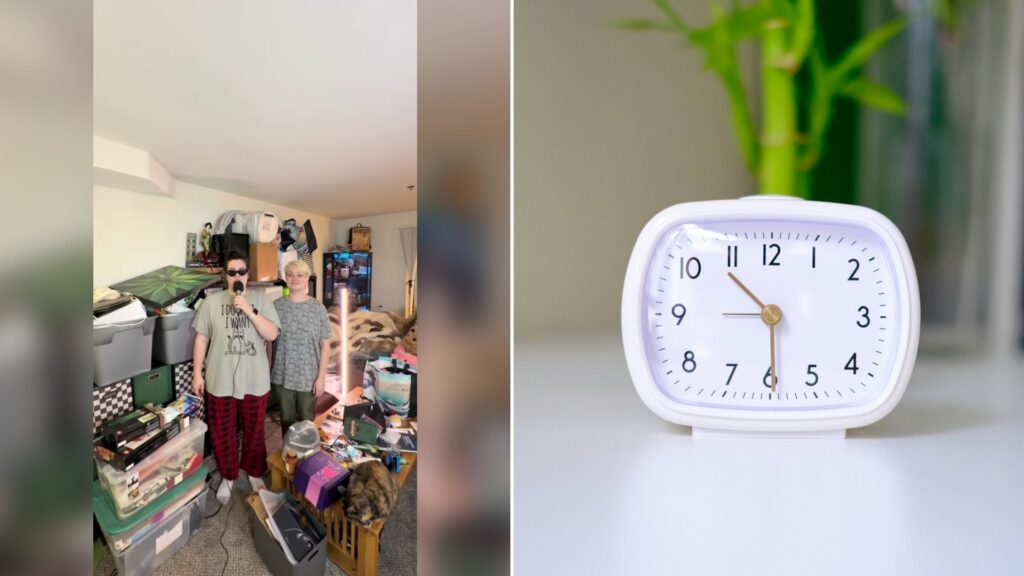
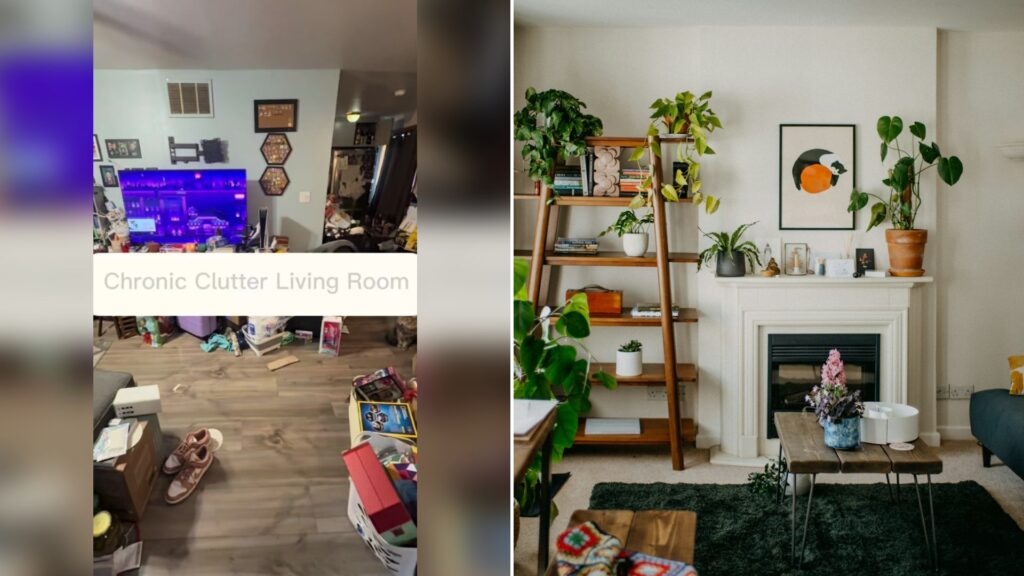
Some decluttering stories start with a tidy plan. This one starts with an honest confession. @heychrissytee is a mom who has decided to get rid of 1,000 things from her home, and on day three she says out loud what many of us only think: the stuff she bought has taken over her time, her energy and her house.
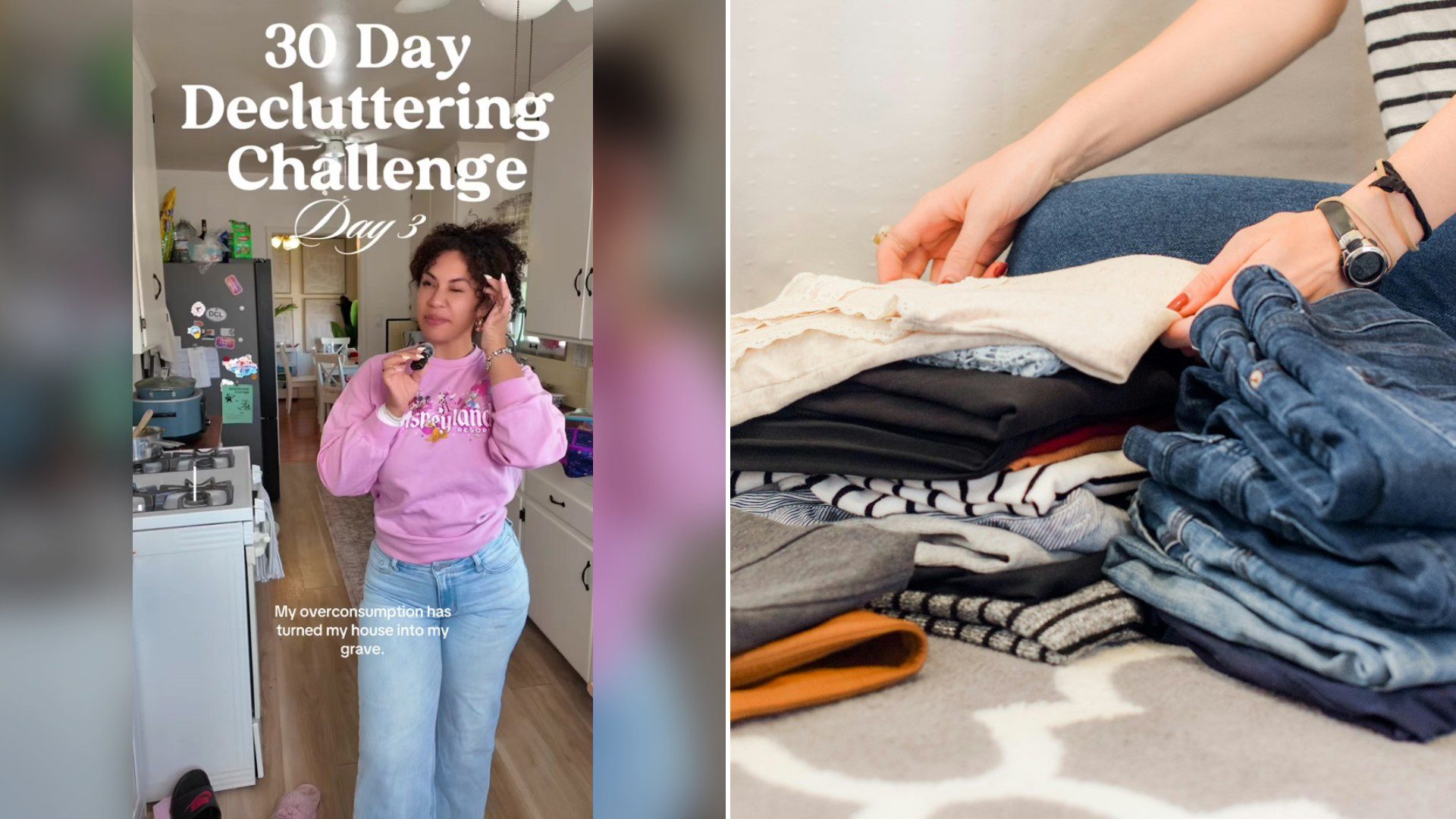
Her caption sums up the goal in a sentence: more time and less stress as a mom. On this day, she counted 106 items out of her 1,000 target. Here is her update.
@heychrissytee
“My Overconsumption Has Turned My House Into My Grave”
She opens with a blunt line. Her overconsumption, she says, has turned her house into her grave. It is a dramatic way to put it, but the feeling behind it is one that many parents will recognize. She says the amount of time and effort she spends managing things is ridiculous.
That is the part that tends to get lost when we talk about clutter. We think of it as a space problem, but she describes it as a time problem. Every object in a home has to be stored, moved, cleaned around, sorted, and picked up off the floor. The more things you own, the more hours you spend caring for them.
She says this is day three of what she calls reclaiming her life by getting rid of a thousand things in her house.
What She Pulled Out on Day Three
She says she is a little disgusted by what she found. Her list for the day included:
- Clothes that were never worn
- Toys that were never opened
- Shoes that were never worn
- An excessive number of mugs
- Things she swore she was saving for a day she would need them, which never came
- Broken items
- Toys that grandparents love to dump at the house
Then comes the line that makes the whole project feel personal. A lot of this, she says, was her money, and her money used to be her time. In other words, every unworn shirt and unopened toy represents hours she worked to pay for it, and then more hours to manage it afterward.
Why a Numbers Goal Can Keep You Going
Setting a number like 1,000 may sound huge, but it can be a smart way to stay motivated. Counting makes progress visible. Day three, 106 items, is a real milestone you can point to, and it gives you a reason to keep going the next day. It also breaks a giant project into small daily wins.
If you would like to try a count-based challenge of your own, here are some ideas that fit the way she approaches it.
Count everything, even the small stuff
Pens, mismatched lids, loose game pieces and single socks all count. The numbers add up faster than you would expect, and clearing out small items often frees up drawers and surfaces that bother you every day.
Start with things that were never used
Items with tags still on them, toys still in the box and shoes that never left the closet are some of the easiest to let go of. There is no memory attached to them. They were purchases that never turned into daily life, and the sooner they find a new home, the better.
Take on the duplicate drawer
Mugs are a classic example. Most households use a handful of favorites over and over, while the rest sit in the cabinet. Keep the number that matches how many people you actually serve, plus a few for guests, and send the extras to a donation center.
Sort out the “saving it for later” pile
Many of us keep nice things for a special occasion that never arrives. If an item has been waiting for years, ask honestly whether that day is coming. If it is not, let someone else enjoy it now. If it is, use it this month instead of putting it back on the shelf.
Repair it this week or release it
Broken items are easy to forget because they get pushed to the back of a shelf. Give yourself a short deadline. If you will not fix it by then, you have effectively decided to let it go, and it can leave the house.
Handling the Gift Clutter From Family
She specifically mentions toys that grandparents love to dump at their house. This is one of the most common clutter sources for families with young children, and it is also one of the trickiest to talk about because the gifts come from love.
A few gentle approaches can help. You can thank the giver warmly while privately deciding what the family will keep. You can suggest experiences, like a trip to the zoo or a day at the movies, as an alternative to another toy. You can also offer a short wish list of items your child truly needs or would use. Most grandparents are happy to follow guidance when it is offered kindly, because what they really want is to make the children smile.
It also helps to rotate toys instead of keeping everything out at once. Keep a manageable amount in the main play area, and store the rest. Children often play more creatively with fewer choices, and the house is much easier to tidy at the end of the day.
What Her Honesty Teaches the Rest of Us
It takes a certain courage to look at a pile of unworn and unopened things and call it what it is. She does not hide the embarrassment, and that honesty is what makes her purge relatable. Most of us have bought something on a whim, tucked it away and forgotten it. The goal of a purge like this is not to feel shame. It is to learn, and to buy with more care next time.
Before you bring a new item home, you can ask a few simple questions. Where will it live? Will I use it within the month? Does it replace something I already own? Those questions cost nothing, and they protect your money and your time.
Her caption says it best: the goal is more time and less stress. If a thousand items need to go for that to happen, she is determined to get there, one day at a time. You can start with a single bag today.