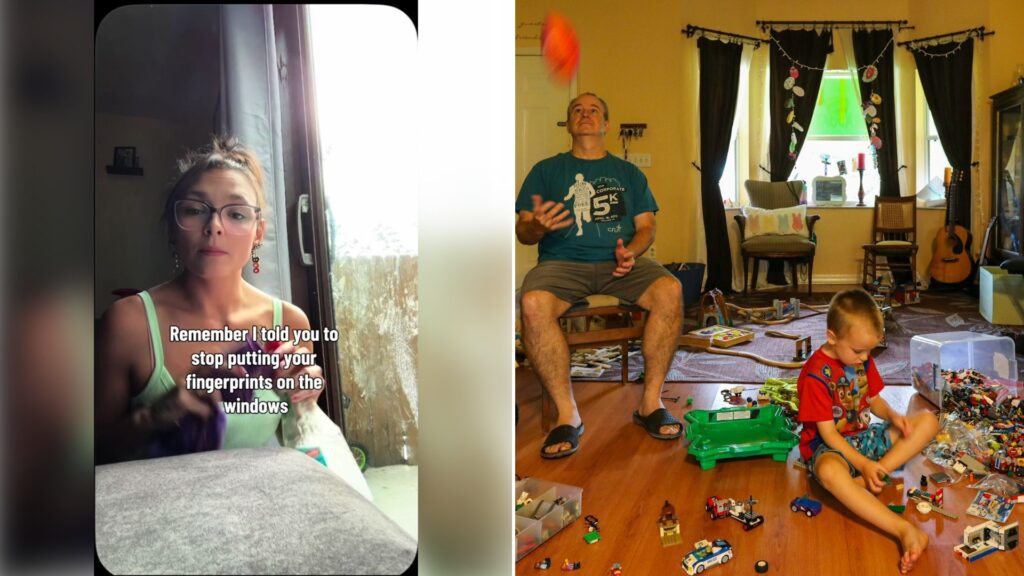
One mom was thrown off when her own mother casually expressed a wish to die just because her children asked her to get off the couch. This unsettling moment happened during a typical day at home, highlighting the complex dynamics that can exist within families. The mother had been spending her time lying around, glued to her phone, while her children took on responsibilities like answering the door and cooking. It was in this context of neglect that she made her shocking comment, leaving her children feeling both confused and drained.
The parent in question was described as extremely lazy and critical, constantly judging others while refusing to take charge of her own life. Her daughter pointed out that this attitude drained her energy, leading her to stop acting as a therapist for her mother a few months ago. The burden of emotional labor had simply become too much. Instead of seeking her own fulfillment, this mother relied heavily on her children for emotional support, showing a pattern of behavior that was both needy and self-destructive.

During a recent incident, the daughter’s brother came home from work and rang the doorbell. The mother, who was lounging on the couch, didn’t bother to get up, leaving it to her daughter to rush to the door after wrapping up in the bathroom. It was a moment that encapsulated the mother’s unwillingness to act, repeatedly waiting for her children to fulfill her needs instead of participating in family life. When the daughter finally confronted her about it, the mother’s defensive response was chilling: “I hope I die so you both can be pleased.” This kind of emotional manipulation only added to the daughter’s frustration.
As if that wasn’t enough, the parent also seemed to be in constant competition with her daughter. Whenever the daughter made strides to improve herself—like working out in the living room—the mother felt overshadowed and claimed that she was the original inspiration for her daughter’s actions. Even simple family moments, such as her husband giving compliments to his daughter, stirred feelings of jealousy in the mother. It appeared that her insecurities ran deep, manifesting in ways that made interactions awkward and uncomfortable.
People had very different reactions to this situation. Some thought that the mother’s behavior was a sign of deeper psychological issues, perhaps stemming from her own insecurities that spilled over onto her children. Others pointed out the unhealthy parent-child dynamic, suggesting that the daughter needed to set firmer boundaries to protect her own well-being. The idea that a parent could be so emotionally manipulative was shocking to many, leading some to question why this mother had not sought help for her apparent struggles.
Many felt sympathy for the daughter, who seemed trapped in a cycle of caretaking for someone who should be nurturing her. The ongoing emotional toll of living with an insecure and lazy parent was palpable. It raised questions about the responsibilities that children often feel when their parents don’t pull their weight. Some commenters empathized with the daughter’s frustration, recognizing that emotional labor is often an unspoken expectation in families.
This situation sheds light on the complexities of family relationships, especially when one parent falls into a role more akin to a child. The constant need for reassurance from the mother and her unwillingness to contribute to household responsibilities could leave anyone feeling overwhelmed. It makes one wonder where the line is drawn between parent and child, especially when the parents lean heavily on their offspring for emotional support.
As this mother continues to navigate her own insecurities, her children are left to manage the fallout. This can lead to a complex emotional landscape that many families may recognize but seldom discuss. The question remains: how can one establish healthy boundaries with a parent who seems unable or unwilling to change? It’s a tough spot to be in and leaves one wondering what the future holds for both the mother and her children.
More from Decluttering Mom: