


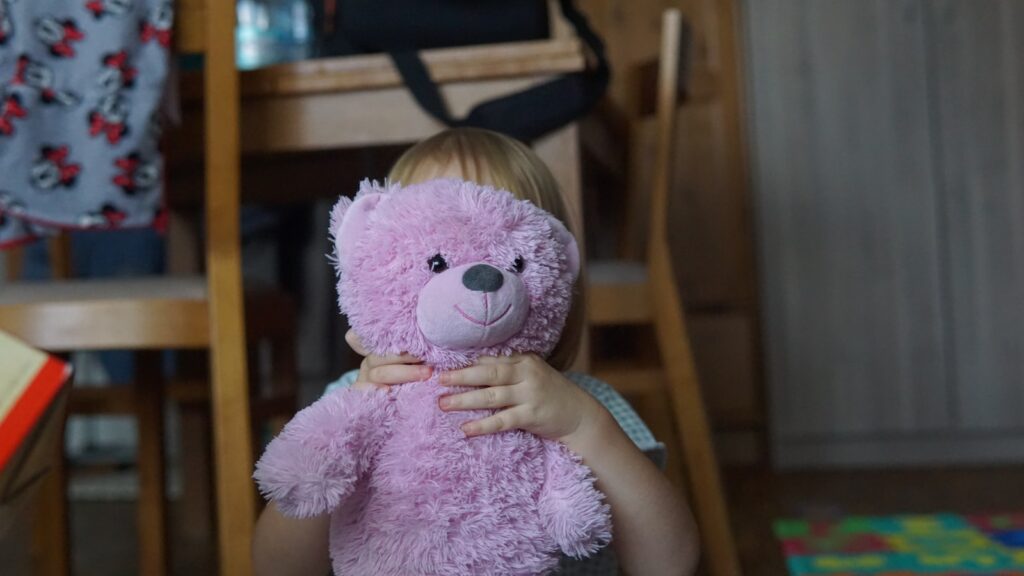
You’re allowed to feel unsettled when a grandparent turns a stuffed toy into a nightly demand for hugs and kisses. If your toddler resists or seems uncomfortable, you don’t have to force physical affection just to keep the peace.
This post explores why the Build-A-Bear with Grandma’s voice can feel invasive, how such gifts can blur boundaries, and practical ways to protect your child’s consent while keeping family ties intact. It will show how to say no politely, offer alternatives, and handle pushback without escalation.


When Gift-Giving Crosses a Line: The Build-A-Bear Situation
The gift felt thoughtful at first but quickly created tension. What started as a keepsake became a nightly obligation that made the parent uneasy and confused about boundaries.
How the Build-A-Bear Gift Came About
The grandmother ordered a custom Build-A-Bear with the toddler’s name stitched inside and recorded her own voice for the sound module. She presented it at a family visit, framing it as a special “grandma’s bear” keepsake. The parent learned afterward that the grandmother expected the child to treat the bear as a direct emotional link to her.
Money and effort went into the toy, which complicates pushing back. Still, the parent didn’t consent to a toy that would require emotional labor from a toddler or replace ordinary affection. The gift’s origin matters because it reflects intent: it wasn’t just a stuffed animal, it was a device meant to elicit specific nightly behaviors.
Grandma’s Voice: The Emotional Impact on My Toddler
Hearing a recorded voice can comfort some children, but for this toddler it produced confusion. At bedtime the child would listen to a warm “goodnight” in grandma’s voice and then look around expecting the real person. That mismatch led to clinginess and intermittent distress when grandma wasn’t present.
The recording also created loyalty pressure. The toddler started favoring the bear and responding to the voice with kisses and calls for grandma, which disrupted normal parent-child bonding cues. The parent observed the child treating the bear as a stand-in for a living relationship, not a toy, which raised concerns about emotional dependence on an object tied to an absent adult.
Daily Rituals: Being Asked to Hug and Kiss “Grandma”
The grandmother began explicitly asking the parent to have the toddler hug and kiss the bear every night as a way to maintain connection. The parent felt coerced into enforcing an adult’s desire for reassurance rather than following the child’s cues. Requests came with guilt—grandma framed compliance as important to her feelings.
This created a nightly checklist: put on pajamas, read a story, hug the bear, kiss the bear, say “goodnight grandma.” The routine made bedtime procedural instead of nurturing. The parent worried the child was learning to perform affection on command, and that such performances could blur the child’s understanding of genuine emotional expression.
Navigating Boundaries and Feelings as a Parent
The parent feels uneasy about a toy that blurs consent, the grandparent expects nightly affection, and everyone’s comfort level and routines need clear handling. Practical steps and calm language help protect the child’s bodily autonomy while keeping family relationships intact.
Why This Makes Me Uncomfortable
The toy contains grandma’s voice and grandma now expects enforced hugs and kisses every night. That puts the parent in the position of policing a toddler’s body and teaching compliance rather than choice. Toddlers are still learning consent; pressuring or scripting physical affection can teach them to override their own discomfort.
The parent’s concerns also include mixed messages: if the family praises the child for obeying, it normalizes giving physical affection to appease adults. That can create long-term awkwardness around boundaries and self-protection. Saying no to forcing contact protects the child’s autonomy without vilifying grandma.
Balancing Generational Expectations and Parenting
Grandparents often expect displays of affection as proof of bonding and appreciation. The parent can acknowledge that feeling while setting firm rules: “We don’t force hugs or kisses; a high-five or wave is fine.” Offering clear alternatives reframes affection into actions the child can consent to.
Use brief, consistent language with both child and grandparent. Example script for grandma: “We love that you made the bear. He gives hugs when he wants to; you can ask and accept a high-five or cuddle if the child offers.” Follow through every time to avoid mixed signals. Consistency helps older relatives adjust their expectations without repeated conflict.
Handling Family Dynamics Without Drama
Plan a short, calm conversation with grandma away from the child. Keep it specific: point to the Bear and say, “Thank you — it’s wonderful. We don’t require hugs or kisses. When he wants to show affection, he will.” Avoid blaming language to reduce defensiveness.
If grandma pushes back, enlist allies: the child’s other parent, a sibling, or a neutral family member can echo the boundary. When in social settings, give the child an escape phrase (e.g., “All done”) and model alternatives like holding the toy together. Track small wins and reinforce them with praise so the family learns the new norm.
More from Decluttering Mom: