A new mother used her platform to do something many postpartum creators skip over: she walked viewers through the specific cultural rules she is following during her recovery, rules passed down through her family’s Chinese traditions for generations. Rather than treating postpartum care as a single universal script, she showed just how detailed and intentional these customs actually are.
@cakedbybabyk
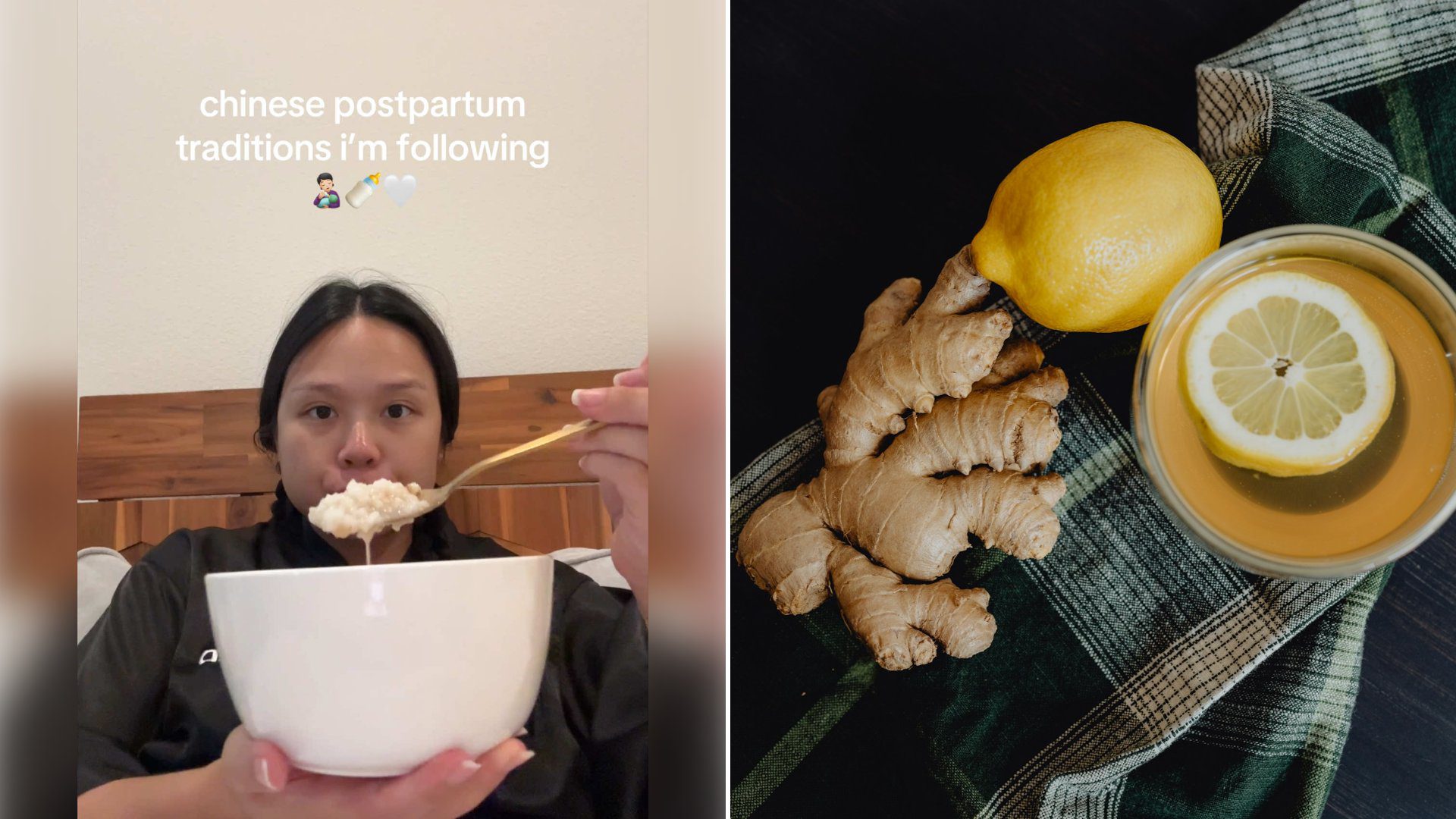
@cakedbybabyk explains the version of this practice her own family follows, often referred to broadly as a postpartum confinement period, during which a new mother spends roughly the first month after birth prioritizing rest and recovery above almost everything else. In her video she details the kinds of warming, nutrient dense foods she is eating, the restrictions around cold water and cold air that her family observes, and the expectation that she rest heavily rather than resume normal household duties right away. For viewers unfamiliar with the custom, the level of structure was eye opening, and for those from similar backgrounds, it sparked a wave of recognition in the comments.
Postpartum confinement traditions are far more common globally than Western maternity care suggests
The practice @cakedbybabyk describes has roots in a tradition often called zuo yuezi, or “sitting the month,” historically observed across Chinese culture and, in various forms, throughout much of East and Southeast Asia. The core idea is that childbirth significantly depletes a mother’s body, and a structured recovery period, typically around thirty to forty days, helps restore strength before she returns to normal activity. Traditional practices commonly include warming soups and broths, restrictions on raw or cold foods, avoiding direct exposure to wind or cold water, and limiting visitors so the mother can focus entirely on rest, feeding, and bonding with her baby.
This is not an isolated custom. Many cultures around the world have their own version of a dedicated postpartum recovery window with specific dietary and activity guidance, from Latin American cuarentena practices to similar confinement traditions in parts of India, Korea, and across Africa. What they tend to share is a recognition that the weeks right after birth are a distinct physiological period requiring deliberate care, not a quick bounce back to pre baby routines. That stands in contrast to much of mainstream Western postpartum guidance, which has historically offered new mothers comparatively little structured support once they leave the hospital, often expecting a return to normal responsibilities within days or weeks.
Maternal health experts increasingly point out that the physical recovery from childbirth, whether vaginal or cesarean, genuinely does take weeks to months, involving healing uterine tissue, shifting hormone levels, and significant blood loss regardless of delivery method. Traditions that build in deliberate rest and nutrient focused eating during this window are, in many respects, aligned with what modern postpartum medicine now recommends: adequate protein and iron rich foods to rebuild blood volume, warmth and reduced physical strain to support healing, and a support network that takes over household and childcare tasks so the mother’s body can recover.
What makes videos like this one land with such a wide audience is that they put language and structure around something many new mothers outside these cultures feel instinctively but rarely get permission to act on: that the postpartum period deserves to be treated as its own distinct season of healing, not an inconvenience to push through quickly. Seeing a specific, detailed tradition laid out, with real foods and real rules rather than vague advice to “rest when you can,” gives other new mothers something concrete to borrow from even if they did not grow up with the custom themselves.
More from Decluttering Mom
- Mom Says She Was Already in Early Labor While Filming Herself Caring for Her Baby Chicks and Did Not Realize It Until Hours Later, Then Shares How Her Unmedicated Midwife Birth Went
- Mom Who Says She Has Mastitis Films Her Son Volunteering to Hold His Newborn Sister on the Couch, Asking Her Favorite Color and Telling Her She Could Put Her Whole House Yellow
- Mom Lying in a Hospital Bed Beside Her Newborn Twins Looks at a Photo of Her Toddler on Her Phone and Says No One Prepared Her for the Grief of Her Firstborn Not Being Her Baby