


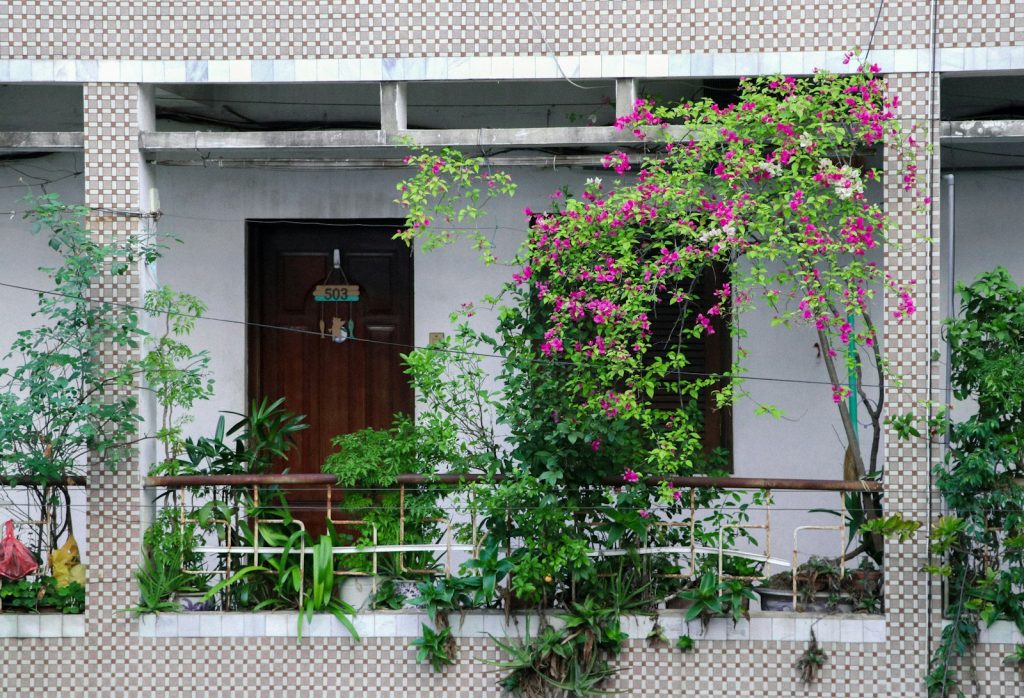
If you’ve spent any time on TikTok lately, you’ve probably noticed the surge of balcony garden videos capturing millions of views. What started as a trendy way to green up small urban spaces has now blossomed into a full-blown movement. People from all over are transforming their balconies into thriving mini gardens, proving you don’t need a backyard to grow fresh herbs, veggies, and flowers.
The TikTok balcony garden trend shows you how to turn even the smallest outdoor space into a productive, beautiful oasis that fits your lifestyle. This movement is about more than just aesthetics—it’s a way to reconnect with nature, save money on groceries, and improve your mental well-being, all from your own balcony.
You’ll discover simple tips, clever uses of vertical space, and easy-to-grow plants perfect for beginners. This growing community is inspiring urban dwellers to take control of their food sources and enjoy the satisfaction of homegrown produce, no matter where they live.
What Is the TikTok Balcony Garden Trend?
You’ve probably noticed how people are turning small outdoor spaces into green havens using creative, simple setups. This trend combines practical gardening tips with eye-catching visuals, making it easy for anyone, even beginners, to start their own balcony garden.
How the Trend Started
TikTok’s visual format helped the balcony garden trend take off quickly. Gardeners and plant lovers began sharing short, inspiring videos with easy-to-follow tips for growing herbs, flowers, and veggies in limited spaces. These posts showcased how balconies, even just a few square meters, could be transformed into lush, productive gardens.
The appeal grew as urban dwellers sought ways to bring nature closer despite limited space. Early creators who shared practical setups and aesthetically pleasing designs helped the trend spread beyond typical gardening audiences.
Why Balcony Gardening Resonates on TikTok
Balcony gardening fits perfectly with TikTok’s short, engaging video style. You can see quick transformations and setup ideas that don’t require much time or tools. Using tool-free railing planters and DIY containers means you can start your garden without altering your space or needing expert skills.
This trend also taps into people’s desire for sustainability, mental well-being, and self-sufficiency. Growing your own herbs or small veggies refreshes your space and adds a sense of accomplishment. TikTok’s platform encourages sharing your progress, which motivates you to keep going.
Community and Viral Hashtags
On TikTok, the balcony garden community thrives through hashtags like #balconygarden, #gardentok, and #urbangardening. These tags gather thousands of posts with tips, failures, and successes, making it easy to find inspiration or advice.
You’ll find creators ranging from beginners to experts sharing their unique approaches. The communal vibe encourages experimentation and learning. Plus, viral videos push new ideas to the forefront, so you’re always discovering fresh ways to spruce up your green space.
Using these hashtags can connect you with others who love small-scale gardening and want to improve their urban outdoor oasis.
Gardening Elevated: The Shift from Trend to Movement
What started as a simple hobby on TikTok has grown into something bigger. More people are connecting over balcony gardening, and the practice is becoming a practical, eco-friendly solution in urban spaces.
Growing Community Involvement
As you dive into balcony gardening, you’ll find it’s about more than just plants. TikTok creators, like Alessandro Vitale, share tips that help you get the most from small spaces, encouraging you to engage with neighbors and local gardeners.
You can swap advice, seeds, and success stories, creating a local network of support. This community angle turns gardening from a solo activity into a shared experience, making it easier to learn and stay motivated.
Using vertical space, sharing watering strategies, and even helping each other with pollination are ways this community grows stronger. You’re not just planting for yourself—you’re part of a growing movement where knowledge and enthusiasm spread fast.
Balcony Gardens as Sustainable Solutions
Your balcony can play a role in fighting climate change. Growing herbs, vegetables, and flowers in containers reduces the need for store-bought produce, lowering your carbon footprint.
Balcony gardening conserves space and water through smart watering systems, like using trays to recycle runoff water. It also supports biodiversity by attracting pollinators even in high-rise settings.
Plants like chillies, tomatoes, and herbs thrive well in sunny spots, giving you fresh, home-grown produce while cutting down on packaging waste. This approach turns your living space into a micro garden that not only feeds you but helps the planet.
Designing Your Balcony Garden
Creating a thriving balcony garden starts with choosing plants that fit your space and lifestyle. You’ll want options that stay manageable in small containers but still bring greenery and life to your outdoor spot. Using your vertical space wisely can boost your plant count and add layers of visual interest without cluttering your floor.
Choosing the Right Plants for Small Spaces
Pick plants that stay compact and adapt well to container life. Native plants are often your best bet—they’re naturally suited to your climate, which means less fuss and a better chance of thriving.
Consider vegetables like cherry tomatoes, lettuce, or herbs that grow well in pots. These give you fresh produce and reduce trips to the store. Also, succulents and small flowering plants can add color without demanding too much room or water.
Keep in mind sunlight availability. South-facing balconies get more sun, ideal for sun-loving plants, while shaded ones suit ferns or ivy better. Regular pruning will help maintain size and shape, so your garden doesn’t become overcrowded.
Maximizing Vertical Space
When floor space is limited, think up instead of out. Vertical gardening methods like hanging planters, trellises, and wall-mounted pots are game changers. They allow you to grow more plants without sacrificing walking room.
Vertical planter walls can be built with shelves or pocket-style containers to hold numerous plants in a small footprint. Use hooks or rails for hanging baskets filled with trailing plants or vegetables like peas and beans.
Stacking pots or tiered stands work well too, letting you mix different plant heights and types for a fuller look. Just ensure your structure can handle the weight and that your plants get enough light at each level. This strategy makes your balcony feel lush and spacious at once.
Embracing Sustainability in Balcony Gardens
Making your balcony garden sustainable means adopting practical habits that reduce waste and save water while supporting local biodiversity. These actions help combat climate change by lowering your environmental footprint and creating a healthier, greener space right outside your door.
Composting in Compact Spaces
You can turn kitchen scraps into valuable compost even on a small balcony. Vermicomposting, or worm composting, is ideal because it requires minimal space and produces rich, nutrient-dense soil for your plants. A simple worm bin fits easily in tight corners.
Composting your organic waste reduces the amount sent to landfills, cutting methane emissions—a potent greenhouse gas. It also encourages soil health, which benefits your plants and supports urban biodiversity by feeding beneficial microbes.
To start, collect fruit peels, coffee grounds, and vegetable scraps. Avoid meat or oily foods to keep your bin odor-free. Regularly aerate the compost and maintain moisture for the worms to thrive. This cycle transforms waste into a natural fertilizer you can use for your flowers and veggies.
Water Conservation Techniques
Using water wisely is vital for sustainable balcony gardening. Installing a drip irrigation system delivers water directly to roots, minimizing waste and preventing overwatering. This approach uses up to 70% less water than traditional methods.
Rainwater harvesting is another smart option. Place a rain barrel or container to collect runoff from your balcony roof, reducing reliance on tap water and lowering your water bills.
Mulching with organic materials like dried leaves or bark also limits evaporation, keeping soil moist longer. You can add water-absorbing crystals to your soil to hold moisture, especially helpful in hot weather or during dry spells.
Together, these methods ensure your plants thrive without wasting this precious resource.
Supporting Wildlife and Biodiversity
Creating a balcony garden that supports wildlife means focusing on plants and features that provide food, water, and shelter for local creatures. By choosing the right plants and designing for urban insects and pollinators, you can make your space a small but vital part of the local ecosystem.
Attracting Pollinators to Urban Gardens
Pollinators like bees and butterflies need plants that offer nectar and pollen throughout the year. Picking a variety of native flowering plants with staggered bloom times ensures you provide continuous food sources. Flowers like lavender, coneflowers, and milkweed are excellent choices for encouraging these vital visitors.
Layer your plants by mixing tall, medium, and low growing species to mimic natural habitats. This variation not only attracts pollinators but also gives them places to rest and hide. Avoid using chemical pesticides, as these harm pollinators. Instead, aim for organic practices to keep your garden safe.
Encouraging Beneficial Insects
Beneficial insects such as ladybugs, lacewings, and predatory wasps help control pests naturally. To welcome them, create suitable microhabitats by adding layers of foliage and using native plants that offer shelter and food. Including insect hotels with varying hole sizes can provide safe nesting spots for solitary bees and other helpful bugs.
Leaving small patches of untidy plants or brush encourages shelter and breeding places. Remember, healthy soil and diverse plant types boost insect diversity. With these simple steps, your balcony can become a buzzing hub of useful insects that support your garden’s health.
Vegetable and Edible Gardening on Balconies
Growing food on your balcony is a practical way to enjoy fresh, homegrown vegetables, no matter how small your space is. Picking the right plants and planning for continuous harvests can help you maximize your garden’s potential.
Best Edible Plants for Beginners
Start with easy-to-grow vegetables that do well in containers and limited space. Leafy greens like lettuce, spinach, and arugula grow quickly and don’t need deep soil. Radishes and carrots also do well in pots, offering a fast turnaround from seed to harvest.
Herbs such as basil, parsley, and mint thrive on balconies and add flavor to your meals. Tomatoes, especially smaller varieties or cherry tomatoes, are ideal when you have a sunny spot and a trellis or support.
Choose plants suited for containers with good drainage. Consider vertical options like pea plants or beans to save floor space. This variety ensures you’ll have fresh vegetables and herbs ready to pick throughout the season.
Tips for Year-Round Harvests
To keep your balcony garden productive all year, focus on crop rotation and season-appropriate plants. You can grow cool-weather veggies like kale, broccoli, and peas in fall or early spring. Conversely, save tomatoes, peppers, and eggplants for warmer months.
Use containers that allow easy movement to follow the sun and protect plants from harsh weather. Adding a small portable greenhouse or covering can extend growing seasons by protecting tender crops from frost.
Regularly monitor watering and nutrients since container soil dries faster. Rotate plants and use organic fertilizers to keep the soil fertile. With these steps, you’ll have vegetables ready for harvest whenever you want.