A woman who says she became a grandmother at thirty five sat down to address something that happens to her constantly: the moment people find out her age and immediately assume they know her whole story. Instead of brushing past the reaction, she decided to meet it head on, walking through exactly what her life looks like and correcting the assumptions that come with being a notably young grandparent.
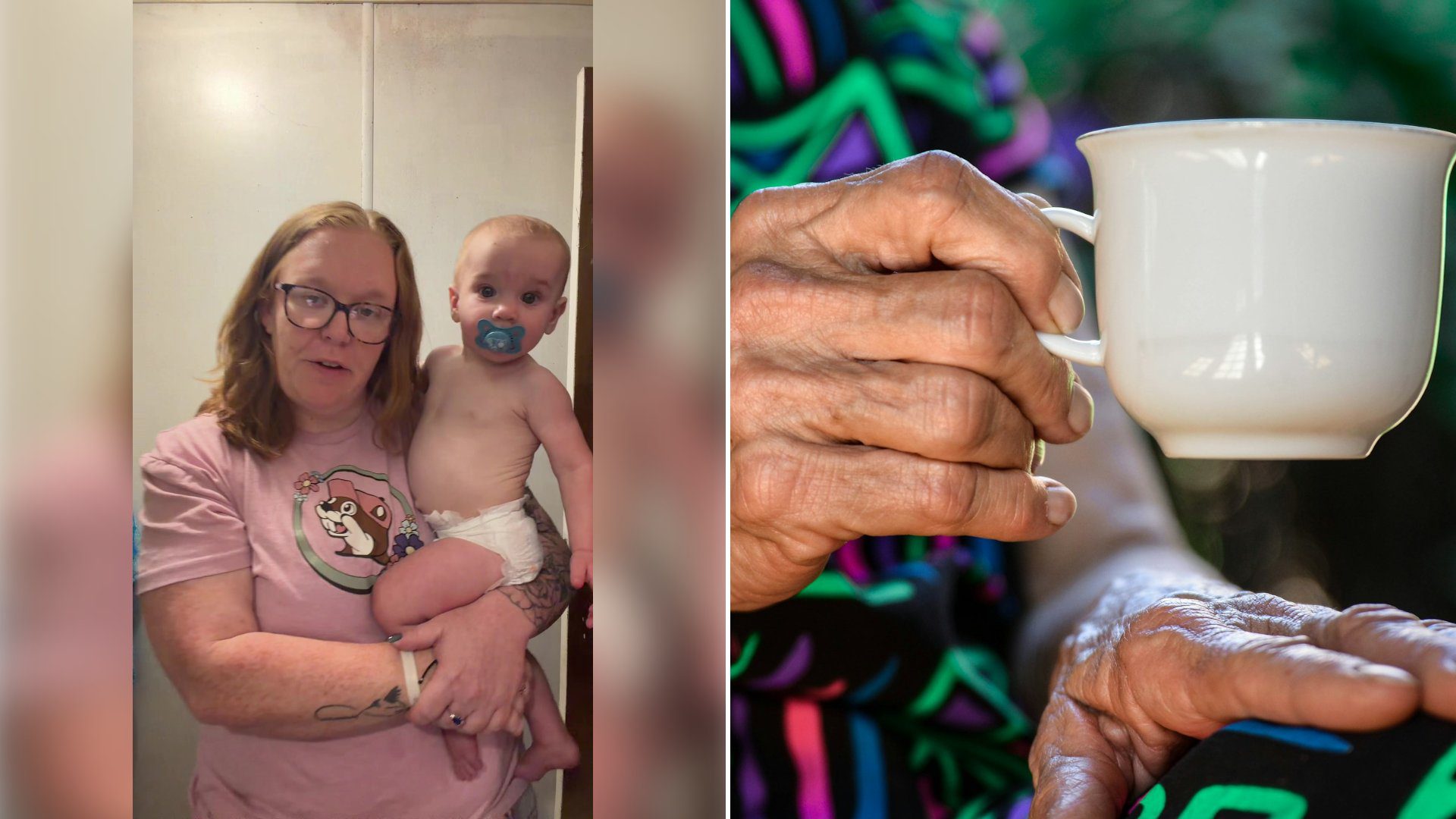
@devrenaelle33
By her own account in the video, @devrenaelle33 says people’s faces change the second she mentions being a grandmother, followed almost immediately by a guess about teenage pregnancy or a chaotic family history. Her response pushes back on that reflex, laying out her actual timeline and making the point that becoming a grandparent earlier than average does not automatically mean anything negative about how she or her children built their families. The video struck a chord specifically because she refused to perform embarrassment about something she clearly does not feel ashamed of.
How the age of first time grandparents has actually shifted over the decades
The average age at which people become grandparents in the United States has crept upward over the past several decades, largely because the average age of first time parents has also risen. Where earlier generations frequently became grandparents in their late forties or early fifties, many people today do not reach that milestone until their mid to late fifties or even sixties, simply because their own children are having kids later than previous generations did.
That shift is exactly what makes a grandparent in their thirties stand out so sharply against the current average, even though becoming a grandparent at a young age was far more ordinary a generation or two ago. A grandmother at thirty five typically means that both she and her own child became parents relatively early, a pattern that was common historically and remains common in some families and communities today, even as the broader national average has moved later.
Family researchers who study multigenerational households point out that younger grandparents often bring a different kind of involvement to the role than older grandparents do, frequently still working full time, sometimes still raising younger children of their own alongside grandchildren, and often able to be more physically active with grandkids simply due to age. Multigenerational family structures where a grandparent is still relatively young can also mean more overlapping decades of relationship between grandparent and grandchild, a dynamic sociologists increasingly study as life expectancy and family timelines shift.
What @devrenaelle33’s video ultimately pushes against is less about statistics and more about the snap judgments people make from a single data point. Age alone tells almost nothing about a family’s actual story, whether a young grandparent had children young by choice, by circumstance, or simply because that is when it happened for her family. By answering the assumptions directly instead of letting them sit unchallenged, she reframed her own story on her own terms, and clearly a lot of viewers found that refusal to be embarrassed refreshing rather than shocking.
More from Decluttering Mom
- Mom of Twins Says She Wanted Her Parents to Move to Canada So She Could Go Back to Work Full Time Until Her Mother Asked if She Was Sure She Wanted to Miss This
- Mom Cooks Dinner While Carrying Her Toddler and Shares What It Feels Like To Parent at an Older Age in a Moving Message to Other Mothers and Why It Matters
- Mom Explains Why She Puts Her Marriage Ahead of Her Kids and Describes What That Looks Like in an Ordinary Week Inside Her Busy Family Home and Why It Matters