The USDA’s September Crop Production report landed with a split verdict on America’s biggest row crops: corn and cotton are coming in lower than forecasters expected, while soybeans are outperforming projections, and the gap between the two stories carries real implications for anyone buying groceries or planning next year’s garden budget.
The numbers, straight from USDA
According to USDA’s September Crop Production figures, corn production is now pegged at 15.8 billion bushels, down 1 percent from the agency’s prior forecast and down 7 percent from 2025. National corn yield dropped to 178.5 bushels per acre, a decline of 2.2 bushels from last month’s estimate and 8 bushels below last year. Even with the cut, USDA noted the total would still rank as the second-highest corn harvest on record, which says more about how enormous recent harvests have been than it does about this year being a disappointment in absolute terms.
Cotton took the sharper hit. Production came in at 13.2 million bales, down 3 percent from the prior forecast and 5 percent below last year, with yield falling 22 pounds per acre from last month’s projection to 776 pounds per harvested acre.
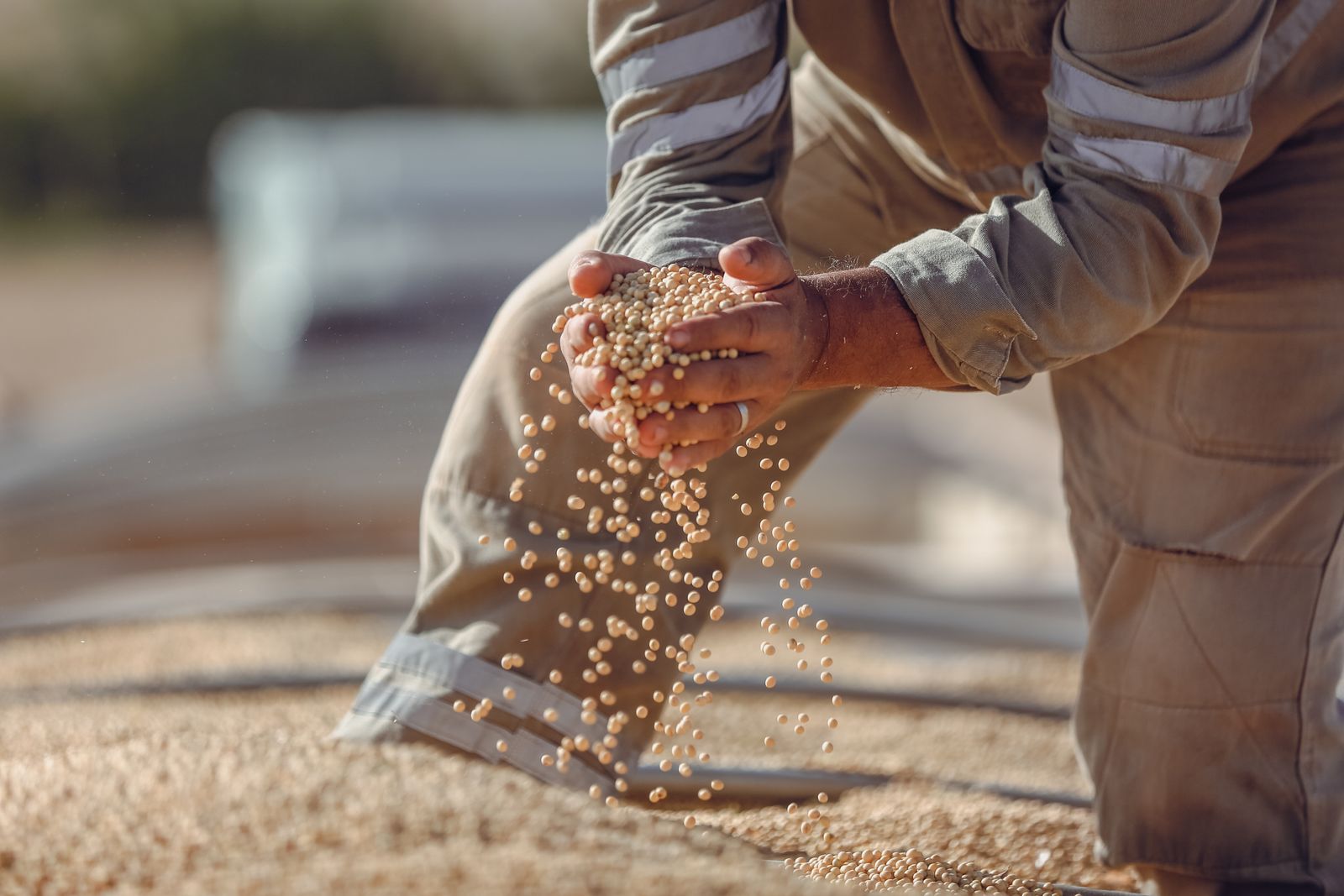
Soybeans went the other direction. USDA raised its production estimate to 4.53 billion bushels, up slightly from the prior forecast and up 6 percent from 2025, with yield ticking up to 52.8 bushels per acre.
Why one crop drops while another climbs
Corn, cotton, and soybeans don’t move in lockstep because growing conditions don’t hit every crop the same way in the same season, and farmers shift acreage year to year. A dry stretch that stunts corn pollination in one region can leave nearby soybeans largely unaffected, since the crops have different water needs and critical growth windows. When corn or cotton economics look weaker heading into planting, some farmers shift fields toward soybeans, which can push supply up even in an unremarkable growing year.

What it means at the grocery store and in the garden
Corn is the backbone of animal feed, corn syrup, and ethanol, so a 7 percent year-over-year drop tends to ripple into beef, poultry, and packaged food costs, though that usually takes months to reach shelf prices rather than showing up overnight. Cotton’s decline hits household textile and clothing budgets more than groceries. Soybeans outperforming is the one bright spot for cost-conscious shoppers, since soy oil and soy-based feed are common enough inputs that extra supply can offset some pressure from the corn and cotton side.
Backyard vegetable growers don’t trade commodity futures, but they aren’t insulated either. Seed companies, fertilizer producers, and garden centers price against the same input markets USDA tracks, so a tighter corn and cotton year can nudge up costs anywhere that shares a supply chain with row-crop agriculture, sweet corn seed included, even though home garden output is a rounding error next to national production.
The bottom line
Nobody should expect a dramatic price spike from one report. USDA’s numbers shift incrementally, and the second-highest corn harvest on record is still a lot of corn. But the direction matters: corn and cotton tightening while soybeans loosen is a mixed signal that shows up gradually in feed costs, meat prices, and garden supply pricing over the following seasons, not as a sudden shock at checkout.