


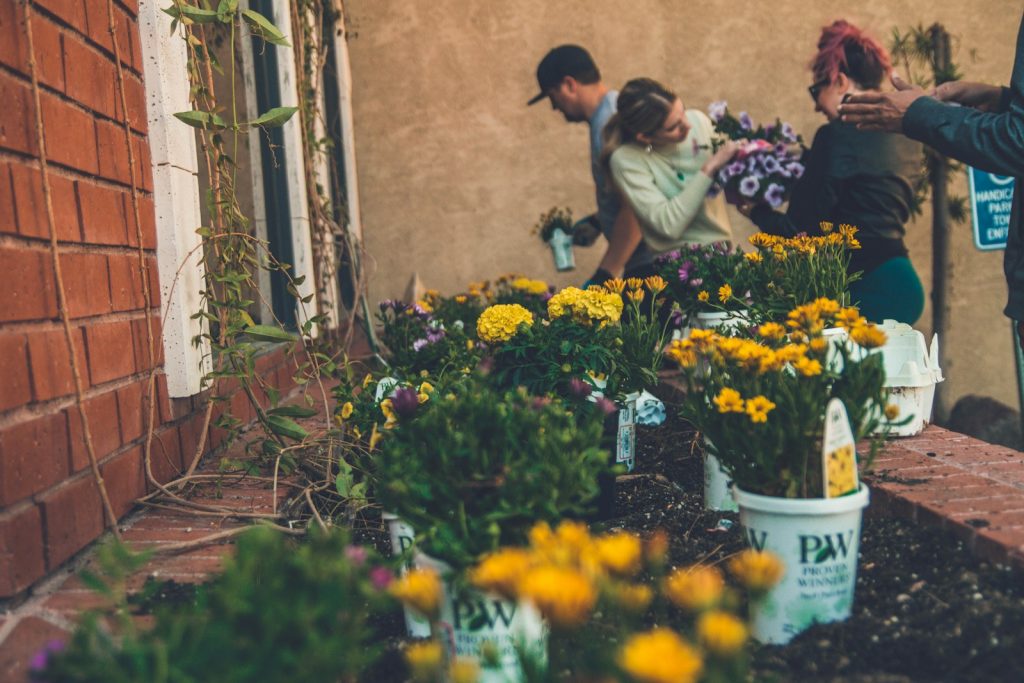
More homeowners are planting edible flowers because they offer a unique combination of beauty, flavor, and environmental benefits. These flowers don’t just brighten your garden—they bring fresh, organic ingredients straight to your kitchen while attracting pollinators like bees and butterflies that support a healthier ecosystem. Growing them gives you a way to add variety and nutrition to your meals with little extra effort.
You’ll find that edible flowers like nasturtiums, calendula, and borage are easy to grow, making them perfect for beginners looking to experiment with new flavors or add color to salads and drinks. Beyond food, many of these flowers also help protect your garden by deterring pests naturally, creating a win-win for your outdoor space.
If you want to switch up your gardening routine and enjoy both floral beauty and tasty harvests, edible flowers offer a practical and rewarding option to explore. Knowing which ones thrive best in your area and how to use them can turn your garden into a vibrant, flavorful oasis.
Why Edible Flowers Are Gaining Popularity
Edible flowers are becoming a favorite in many home gardens because they bring multiple benefits beyond just beauty. They add vibrant colors to your landscape, promote eco-friendly gardening practices, and support local pollinators. By planting these blooms, you create a lively, useful space that’s both practical and attractive.
Aesthetic and Landscaping Benefits
Edible flowers offer a bright splash of color and unique textures that can elevate the look of any garden. Flowers like nasturtiums with their vibrant reds and yellows, or delicate violas and pansies, make your garden inviting and lively. Their presence goes beyond decoration—they provide a fresh ingredient for your salads and garnishes, ready to harvest right outside your door.
You can easily design your garden using different height layers—placing tall sunflowers at the back and low violas near pathways. This arrangement creates an organized look and makes harvesting easier. Edible flowers also serve as natural pest deterrents, reducing your need for chemical sprays and maintaining the health of your other plants.
Growing Interest in Sustainable Gardening
The trend of edible flowers fits right into the broader move toward sustainable, health-conscious living. You reduce food miles by growing your own flowers that can be used fresh in meals and drinks, which is better for the environment. Plus, companion planting with edible flowers like marigolds and chives helps improve soil health and minimizes the need for pesticides.
Incorporating these flowers into your garden supports organic growing practices. They thrive in various soil types and climates, which allows you to maintain a low-impact, eco-friendly garden with minimal waste. This approach resonates with gardeners interested in reducing their ecological footprint while enjoying fresh, homegrown ingredients.
Enhanced Pollinator Support
Planting edible flowers actively encourages pollinators like bees and butterflies to visit your garden. Flowers such as borage and calendula attract these important insects, which help pollinate your fruits and vegetables, increasing your garden’s productivity.
By creating a pollinator-friendly environment, you contribute to a healthy ecosystem. Bees visiting your edible blooms not only help your garden flourish but also support local biodiversity. This natural balance can lead to a more vibrant garden with less maintenance, as healthy pollination promotes stronger plant growth.
Key Advantages of Growing Edible Flowers at Home
Growing edible flowers adds vibrant colors and fresh flavors to your dishes, while also providing health benefits and practical savings. These blooms bring unique culinary options, boost your nutrition, and help reduce the cost and effort of sourcing specialty ingredients.
Culinary Uses and Unique Flavors
When you grow edible flowers, you introduce a variety of flavors that range from sweet to peppery, adding new dimensions to your meals. Flowers like nasturtiums bring a bold, peppery kick, while violets offer a gentle sweetness perfect for salads and desserts. You can use petals whole or chopped, depending on the recipe.
These blooms are great for garnishes, salads, drinks, and even baking. For example, calendula petals can mimic saffron’s color and spice, while squash blossoms are delicious when stuffed or fried. Incorporating these flowers into your cooking lets you experiment with fresh, seasonal tastes right from your garden.
Nutritional Value and Wellness Benefits
Edible flowers often contain antioxidants, vitamins, and anti-inflammatory compounds that can complement your balanced diet. Nasturtiums, for instance, have traditionally been used to support urinary and respiratory health due to their natural properties.
Many edible flowers also have calming or immune-boosting effects, like chamomile’s well-known soothing qualities. Adding these flowers to teas, salads, or snacks can subtly increase your intake of beneficial phytochemicals while enhancing your meals visually and flavor-wise.
Cost Savings and Accessibility
Growing edible flowers at home helps you save money by cutting down on the need to buy specialty herbs and garnishes at the store. Seeds and starter plants are affordable, and many varieties like nasturtium or calendula are easy to grow with minimal care.
Having fresh flowers on hand means you’re less dependent on seasonal availability or costly organic flowers from markets. Plus, planting edible flowers supports sustainable gardening by attracting pollinators like bees, helping your entire garden thrive naturally.
Which Edible Flowers Make the Cut?
When choosing edible flowers for your garden, consider their distinct flavors, uses, and ease of growing. These flowers can brighten your dishes while offering unique tastes, from peppery notes to sweet and herbaceous nuances.
Calendula and Pot Marigold
Calendula, often called pot marigold, is a favorite for many home gardeners. Its petals carry a mildly bitter, slightly peppery flavor that adds a beautiful golden hue to salads, soups, and rice dishes.
You’ll appreciate how calendula blooms continuously from early summer until frost if you deadhead regularly. This makes it a dependable source of edible flowers throughout the growing season.
Calendula is easy to grow in most soils and adapts well as a companion plant, helping protect your garden by attracting pollinators. Its vibrant petals also have mild medicinal qualities, making it useful beyond the kitchen.
Nasturtiums and Their Peppery Appeal
Nasturtiums are vibrant, easy-to-grow flowers that stand out with their peppery, watercress-like flavor. You can eat the flowers, leaves, and even green seeds, which work great as caper substitutes.
These cheerful climbers prefer poor soil, as too much fertilizer encourages leafy growth over flowers. Nasturtiums also self-seed easily, giving you surprise blooms year after year.
Their colorful blossoms—from oranges to reds and yellows—make a fresh and spicy addition to salads and garnishes. Plus, they are great companion plants that help deter pests and attract pollinators.
Roses and Rose Petals
Rose petals can vary widely in flavor depending on the variety, from sweet to spicy. If you want the best taste, opt for fragrant roses like David Austin varieties, which combine beautiful scent with strong disease resistance.
You mostly use the petals in cooking, often removing the bitter white base. Rose petals can be candied, strained into syrups, or tossed fresh into salads and desserts for a floral touch.
Growing roses specifically for culinary purposes lets you add elegance to your dishes year-round. Their flavor profile enriches sweet and savory recipes without overpowering other ingredients.
Lavender, Chamomile, and Herbal Blooms
Herbal flowers like lavender and chamomile bring both flavor and fragrance to your edible flower selection. Lavender offers a floral, perfumed taste best used sparingly, ideal for infusing syrups, desserts, and drinks.
Chamomile’s tiny, daisy-like blooms have a sweet, apple-like flavor, perfect for drying and brewing into soothing teas. Both plants attract pollinators and fit well into herb gardens.
When using herbal blooms, start with small amounts, especially if you have pollen sensitivities. These flowers can elevate your garden and kitchen with calming flavors and natural charm.
Other Popular Edible Flower Choices
You can brighten your garden and meals by adding flowers that bring unique flavors and benefits. Some flowers offer peppery notes, while others deliver mild sweetness or herbal zest. Many also attract pollinators, helping your whole garden thrive.
Violets and Pansies
Violets and pansies are charming edible flowers that easily find a place in your garden. Both belong to the Viola genus and provide a mild, slightly sweet flavor that enhances salads, desserts, and drinks.
These flowers are not just pretty but versatile. You can use their leaves and petals in baking or to garnish dishes. Violets even work well when crystallized for sweets. Pansies come in a variety of colors, making them ideal for brightening up both your garden bed and your plate.
Chive Blossoms and Herbal Favorites
Chive blossoms add a delicate onion flavor that’s surprisingly potent in small amounts. You can sprinkle the purple flowers whole over salads, or infuse vinegar with them to create a flavorful condiment. This is a great way to use an herb you likely already grow.
Other herbal blooms like rosemary, thyme, and oregano also make great edible flowers. These blossoms tend to carry subtler versions of the herb’s leaf flavor, lending a fresh, mild taste to your dishes. Including herbs with edible flowers adds spice and fragrance without overwhelming your meals.
Borage and Squash Blossoms
Borage flowers stand out with their bright blue color and cucumber-like flavor. They’re perfect for fresh summer drinks or served raw in salads.
Squash blossoms, especially from zucchini or summer squash, are a kitchen favorite. They have tender petals with a light, vegetal taste. Many cooks stuff or lightly fry these blossoms for a delicate appetizer. Growing squash means you’ll have plenty of blossoms to enjoy during the season.
Bee Balm, Clover, and Dandelions
Bee balm flowers are vibrant and mildly spicy with a hint of mint, ideal for teas or garnishing dishes. White clover offers a subtle sweetness and can be eaten raw or infused in beverages.
Dandelions are more than just a common weed. Their flowers bring a mild honey flavor and work well in salads, fritters, or even homemade wine. All three plants also support pollinators, which is beneficial if you want a lively, healthy garden ecosystem.
How to Grow and Care for Edible Flowers
Growing edible flowers successfully means choosing the right types, providing ideal conditions, and managing pests naturally. You’ll also want to plan your garden layout to support healthy growth and maximize blooms.
Selecting Safe Varieties
Start by choosing flowers that are both safe to eat and easy to grow. Varieties like nasturtiums, calendula, pansies, violets, borage, and chive blossoms are popular choices with unique flavors. Avoid plants that look similar but are toxic, such as confusing foxglove with comfrey.
Always research each flower before planting to ensure it’s non-toxic and suitable for consumption. Buying seeds or plants labeled specifically as edible helps you avoid harmful pesticides or chemicals, making your harvest safer.
Ideal Growing Conditions
Most edible flowers need at least six hours of full sun daily to thrive. Exceptions like violets or lemon balm prefer partial shade, so place them where they get filtered light.
Use well-draining, organic soil rich in compost to promote healthy growth. Water regularly but avoid overwatering, as soggy soil can harm delicate roots. Position your plants in spots with good air circulation to reduce the risk of mold and mildew.
Harvest flowers in the morning, just before they bloom fully, for the best flavor and longer-lasting freshness.
Companion Planting Strategies
Plant edible flowers alongside vegetables and herbs to improve your garden’s health. Flowers like borage and nasturtiums attract pollinators such as bees and butterflies, increasing yields for nearby crops.
Some edible flowers can also repel pests. Calendula attracts beneficial insects that prey on harmful bugs, reducing the need for pesticides. Grouping flowers with different blooming times ensures continuous pollinator visits and supports biodiversity.
Use companion planting to create a balanced ecosystem, helping your garden flourish naturally and providing fresh blooms for your kitchen.
Organic Practices and Pest Management
Avoid chemical fertilizers and pesticides when growing edible flowers. Instead, use organic soil and natural pest control methods like neem oil or insecticidal soap.
Handpick any visible pests and encourage beneficial insects such as ladybugs and lacewings by planting diverse flowers. Mulch around plants to retain moisture and suppress weeds without harsh chemicals.
Regularly inspect your flowers for signs of disease or pests. Maintaining healthy, chemical-free soil and a clean garden environment helps you enjoy vibrant, safe blossoms for cooking and decorating.
Harvesting, Preparing, and Enjoying Your Edible Blossoms
You’ll want to pick your flowers at the right time, handle them gently to keep their shape and flavor, and store them carefully to maintain freshness. Once prepared, there are many fun and tasty ways to enjoy their colors and unique tastes beyond just salads.
Best Practices for Harvesting
Harvest edible flowers early in the morning after the dew has dried but before the sun is too strong. This timing ensures the flowers retain their peak flavor and freshness.
Choose blossoms that look vibrant and healthy—avoid any that are wilted, damaged, or spotted. Use sharp scissors or garden snips to make clean cuts, which helps the plant continue blooming.
Focus on picking plants grown without pesticides or chemicals. This keeps your flowers safe to eat. Harvest only the petals with some flowers, removing bitter parts like stamens or pistils if necessary.
Safe Cleaning and Storage Tips
Gently shake each flower to remove insects or dirt. Then, rinse them carefully in cool water. Pat dry with a paper towel or lay them flat to air dry fully before use.
Store your edible flowers loosely wrapped in a damp paper towel inside an airtight container in the refrigerator. This method keeps them fresh for up to three days but check regularly to use them while they’re still vibrant.
Avoid washing flowers too far in advance, since moisture speeds decay. Whole flowers like nasturtiums often last better than delicate petals off larger blooms.
Creative Ways to Enjoy Edible Flowers
Add whole flowers like nasturtiums or squash blossoms to salads for a spicy or subtly sweet kick. For extra fun, freeze pansies or violets in ice cube trays to chill drinks with a pop of color.
Try stuffing squash blossoms with cheese and herbs, then lightly frying or baking them for a savory treat. Sprinkle petals like calendula or borage over pasta, soups, or rice dishes to brighten flavors and presentation.
Flowers can also be crystallized with egg white and sugar to decorate cakes and desserts or used fresh as garnishes. Experiment with different flavors—some are peppery, others crisp or mildly sweet—to find your favorites.
Foraging and Wild Edible Flowers: Safety and Best Practices
When foraging wild edible flowers, prioritizing safety and sustainability is key. You’ll need to carefully select what and where to harvest, and learn to distinguish edible blooms from harmful ones to protect both yourself and the environment.
Responsible Foraging Basics
Start by choosing flowers from clean, pesticide-free areas—avoid roadsides, industrial zones, or places with heavy chemical use. This helps prevent ingesting harmful substances that plants might absorb.
Only take what you need, leaving enough blooms behind so plants can continue to grow and reproduce. Use scissors or garden shears to snip flowers cleanly without damaging the plant’s roots or stems.
Harvest in the morning after dew dries but before heat sets in; flowers are freshest and most flavorful then. Also, be mindful not to pick endangered or protected species in your area.
Bring proper tools: a plant guide or app, a basket or paper bag (avoid plastic), and gloves if preferred. Testing for allergies by trying a small amount first is another smart precaution.
Identifying Edible Versus Toxic Blooms
Accurate identification is essential. Use multiple reliable resources—field guides, apps like iNaturalist, or expert advice—to cross-check the flower’s identity before eating.
Look closely at key features: flower shape, color, petal number, and leaf characteristics. For example, dandelions have bright yellow composite flower heads and toothed leaves, while nasturtiums are funnel-shaped with vibrant colors and rounded, veiny leaves.
Avoid any plant you cannot positively identify, as some toxic flowers resemble edible ones. Know the blooming seasons and habitats, too; many edible flowers grow in specific environments and times of year.
Keeping a notebook or camera to document what you find can improve your accuracy over time and help you learn which flowers are safe. When in doubt, err on the side of caution and don’t eat unknown blooms.