


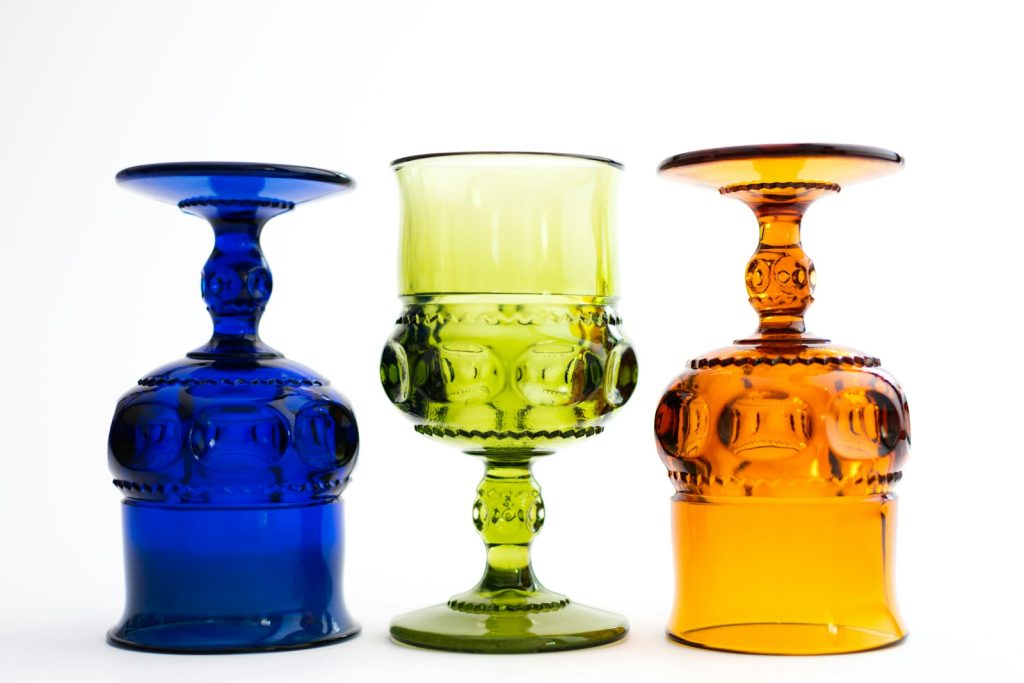
Vintage glassware is flying off shelves and breaking auction records like never before. From delicate Depression glass to colorful carnival glass, collectors are paying top dollar for pieces once thought ordinary. The main reason vintage glassware commands such high prices today is its rarity, unique colors, and the history embodied in each piece, making them highly sought after by both seasoned collectors and new enthusiasts. I’ve noticed how certain patterns, like the Mayfair by Hocking Glass or delicate American Sweetheart pieces, can fetch hundreds or even thousands of dollars if they’re in perfect condition. These items aren’t just pretty—they’re tangible pieces of history, often fragile and hard to find, which only adds to their value.
What’s really fascinating is the growing interest from younger buyers who appreciate the craftsmanship and story behind vintage glass, blending nostalgia with modern trends. If you’re curious about why these beautiful pieces are worth so much today, keep reading to discover which patterns and colors are leading the market and what makes them treasures in the eyes of collectors.

The Surge in Popularity and Record Sales
Lately, vintage glassware has captured the attention of collectors and investors alike. It’s not just about the beauty anymore—rare pieces are setting new price records and becoming sought-after treasures. Factors like standout auction results, evolving collector interests, and the rarity and condition of pieces all play a role in this surge.
Recent Auction Highlights and Notable Sales
Record-breaking auctions have become common in the world of vintage glassware. For example, Bohemian ruby-red engraved art glass pieces have fetched between $20,000 and $40,000 at auction. Similarly, Old Baccarat red and clear liqueur service sets regularly sell for around $3,500 to $4,000.
Auction houses like Sotheby’s and Christie’s have embraced this trend, contributing to higher visibility and price growth. It’s exciting to see glassware with unique patterns, like air twist wine glasses or amber Carnival glass bowls, reach staggering prices. These events underscore how collectible and valuable antique glassware has become.
Changing Collector Tastes and Social Media Influence
Younger collectors aged 20 to 40 are increasingly fueling demand for vintage glassware. Social media platforms showcase beautiful collections and educate enthusiasts, helping spread interest quickly. People aren’t just buying for nostalgia—they want pieces that complement modern aesthetics and add elegance.
The variety of styles, from Depression glass to Murano art glass, attracts a wide audience. This new wave of buyers often values authenticity and provenance, pushing sellers to highlight craftsmanship and history. The accessibility of buying and learning online makes collectible glassware more appealing than ever before.
Influence of Rarity, Condition, and Provenance
The value of antique glassware heavily depends on rarity, condition, and provenance. Unique colors like ruby red, marigold, or iridized amethyst stand out. Pieces with intricate hand-blown designs or original maker marks, such as those from Salviati or Dugan Glass Co., command premium prices.
Collectors pay close attention to condition—chips or restoration can significantly lower value. Provenance and documented history also boost prices, adding a story behind the piece. When these qualities align, a piece can jump in worth dramatically, confirming why vintage glassware sales are reaching such heights.
For more detailed descriptions of valuable vintage glassware, see this guide on the 16 Vintage Glassware Worth Money.
Most Sought-After Types of Vintage Glassware
When I look at the vintage glassware market, certain types really stand out. They combine unique colors, craftsmanship, and history that keeps collectors coming back. Here’s a closer look at some of the most prized pieces that often set record prices.
Carnival Glass and Marigold Patterns
Carnival glass, especially marigold carnival glass, is a favorite for its iridescent shimmer that catches the light beautifully. Antique marigold carnival glass from makers like Northwood, Imperial Glass, and Fenton is highly collectible because of its vibrant colors and detailed patterns. The glass often features pressed or molded designs, adding texture that makes each piece unique.
Northwood carnival glass tends to have vivid hues and intricate motifs, while Fenton pieces may showcase more experimental designs. Collectors appreciate the rarity of original finishes, especially on items that have avoided wear or fading. The striking orange-golden marigold tone remains iconic, making these pieces stand out on any shelf or bar cart.
Depression Glass: Pink, Blue, and Green Variations
Depression glassware, with its affordable production during the 1920s–1940s, has become collectible for its variety and history. Pink depression glass is the most sought-after color, though blue and green versions attract serious enthusiasts too. These glass pieces were made in patterns like Sharon and others that often come in serving bowls, plates, and stemware sets.
The charm of depression glass lies in its bright pastel colors and simple yet charming patterns. Despite being mass-produced, many pieces have survived in excellent condition, which is valuable today. Collectors often look for undamaged sets that include original pieces, which can command higher prices, especially if the glassware has clear, vibrant tones.
Milk Glass, Art Glass, and Crystal Glassware
Milk glass has a timeless appeal with its opaque white finish, often found in vintage vases, pitchers, and kitchenware. Antique milk glass, especially from the early 1900s, is prized for its craftsmanship and decorative shapes. Alongside milk glass, art glass like Bohemian or Venetian pieces showcase blown glass techniques and bold forms, often inspired by Art Nouveau styles.
Crystal glassware, including cut glass and finely detailed crystal from brands known for quality, holds value for its clarity and elegance. Pieces with intricate cuts or hand-etched designs show artistry that is rare in today’s mass production. Whether it’s a delicate crystal coupe or a bold art glass sculpture, these items bring sophistication and history into any collection.
For details on carnival and depression glass, you can explore vintage glassware designs.
Key Factors Driving High Values
Several specific elements combine to push vintage glassware prices higher. These include the quality of the craftsmanship, a brand’s reputation, and the ability to spot authentic antiques. Each of these influences collectors’ demand and ultimately affects what buyers are willing to pay.
Craftsmanship and Historical Significance
The detailed work behind vintage glassware is a major reason for its value. Pieces from companies like Fenton and Imperial Glass often show expert techniques such as hand-blown shapes, intricate etching, or vibrant color usage. These features aren’t just decorative—they reflect the skills and technology of their time, making each piece a small historical artifact.
Historical significance adds even more weight. Glassware produced during notable eras like the Great Depression or the mid-20th century carries stories that collectors appreciate. For example, Depression glass colors such as uranium green or cobalt blue, rarely produced, are especially prized today. I find that understanding this background helps me appreciate why some glassware commands record prices.
Brand Prestige and Maker Recognition
Brands matter a lot when it comes to valuing vintage glassware. Makers like Hocking Glass and Fenton built reputations for innovation and quality. Known limited edition runs or signature patterns from these companies tend to sell for significantly more than generic glass pieces.
Collectors often seek out iconic names to complete collections or invest in pieces with proven desirability. This recognition impacts value sharply because it guarantees a certain level of craftsmanship and aesthetic appeal. When I look at a piece with a trusted brand mark, I feel more confident about its authenticity and potential resale value.
Identifying Authentic Antique Glassware
Authenticity is critical. True vintage glassware shows signs like original manufacturing marks, consistent wear from age, and sometimes slight imperfections from handcrafting. Knowing how to verify these factors separates valuable finds from reproductions or damaged items.
Documentation, such as provenance or certificates, also supports authenticity and can boost value. Condition matters, but minor imperfections aren’t always dealbreakers if the piece is rare or historically significant. I always check for maker stamps and examine the glass for color and texture clues. This careful scrutiny ensures I’m not overpaying for something common or restored poorly. For more details, see this guide on identifying and valuing antique glassware.
Tips for Collectors and Investment Insights
When I look for vintage glassware, I focus on specific details like weight, etching, and shape. Knowing where to find rare pieces and how to care for them helps protect my investment and enjoyment.
How to Identify Valuables in the Market
To spot valuable antique glassware, I start by checking for hand-crafted imperfections such as tiny bubbles or uneven patterns. These details often show the piece is handmade—not factory-made.
I also listen for the clear, resonant ring typical of real crystal, which is usually heavier than ordinary glass. Etching and engraving matter too; intricate floral or geometric designs often mark quality pieces, especially in Depression glassware or Art Deco styles.
Some brands are big clues—names like Lalique, Fenton, or Heisey can mean higher value. I always examine the bottom and edges for signature marks. Lastly, unusual colors like cobalt blue or uranium green raise my interest since these are rarer and often more valuable.
Where to Find Rare Vintage Glassware
I find hidden gems at thrift stores, estate sales, and auctions where collectors sometimes overlook unique items. Knowing which patterns and designs are in demand helps. For example, Anchor Hocking’s “Moonstone” and carnival glass with iridescent finishes catch my eye.
Online marketplaces offer many options, but I prefer to inspect pieces in person to check condition and authenticity. Networking with other collectors and joining glassware clubs also gives me early access to rare finds.
Being patient and ready to grab rare, unusual shapes like hobnail vases or lidded candy dishes increases the chance to snag pieces likely to appreciate.
Caring for and Preserving Antique Pieces
Proper care is crucial to maintain value. I always clean glassware gently, using mild soap and soft cloths to avoid scratches or chips.
Storage matters too—keeping pieces in a dust-free, stable environment prevents damage from temperature swings or sunlight, which can fade colors on Depression glassware.
I avoid putting delicate vintage glass in dishwashers because harsh detergents and heat accelerate wear. Handling with care helps avoid chips, which immediately reduce value.
Preserving the original condition, especially for signed pieces or those with detailed engraving, keeps them appealing to collectors and buyers.