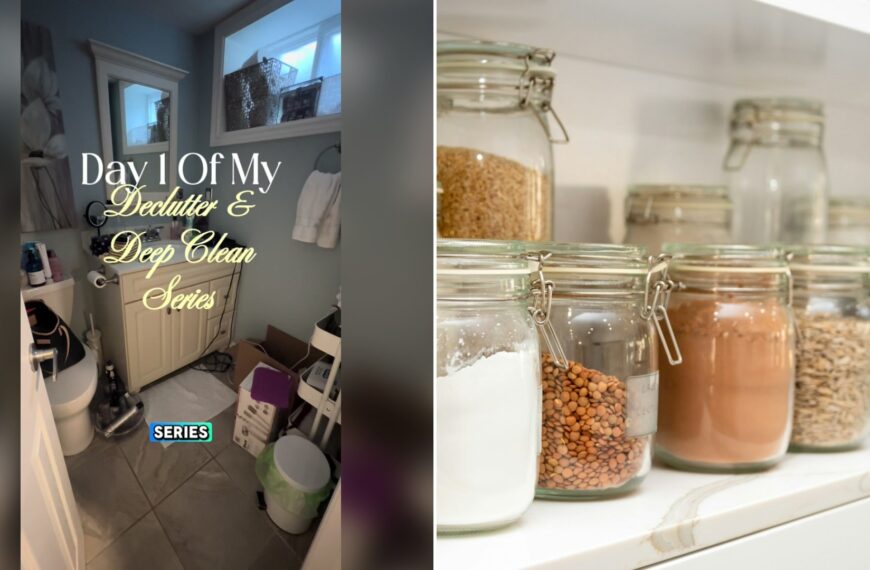
When your house is full of stuff and you have zero energy, the idea of decluttering can feel like climbing a mountain. A woman who goes by @erin.makehomesimple knows that feeling well. She spent a year and a half decluttering and organizing her entire home, and she shared exactly how she got started when she really did not feel like it.
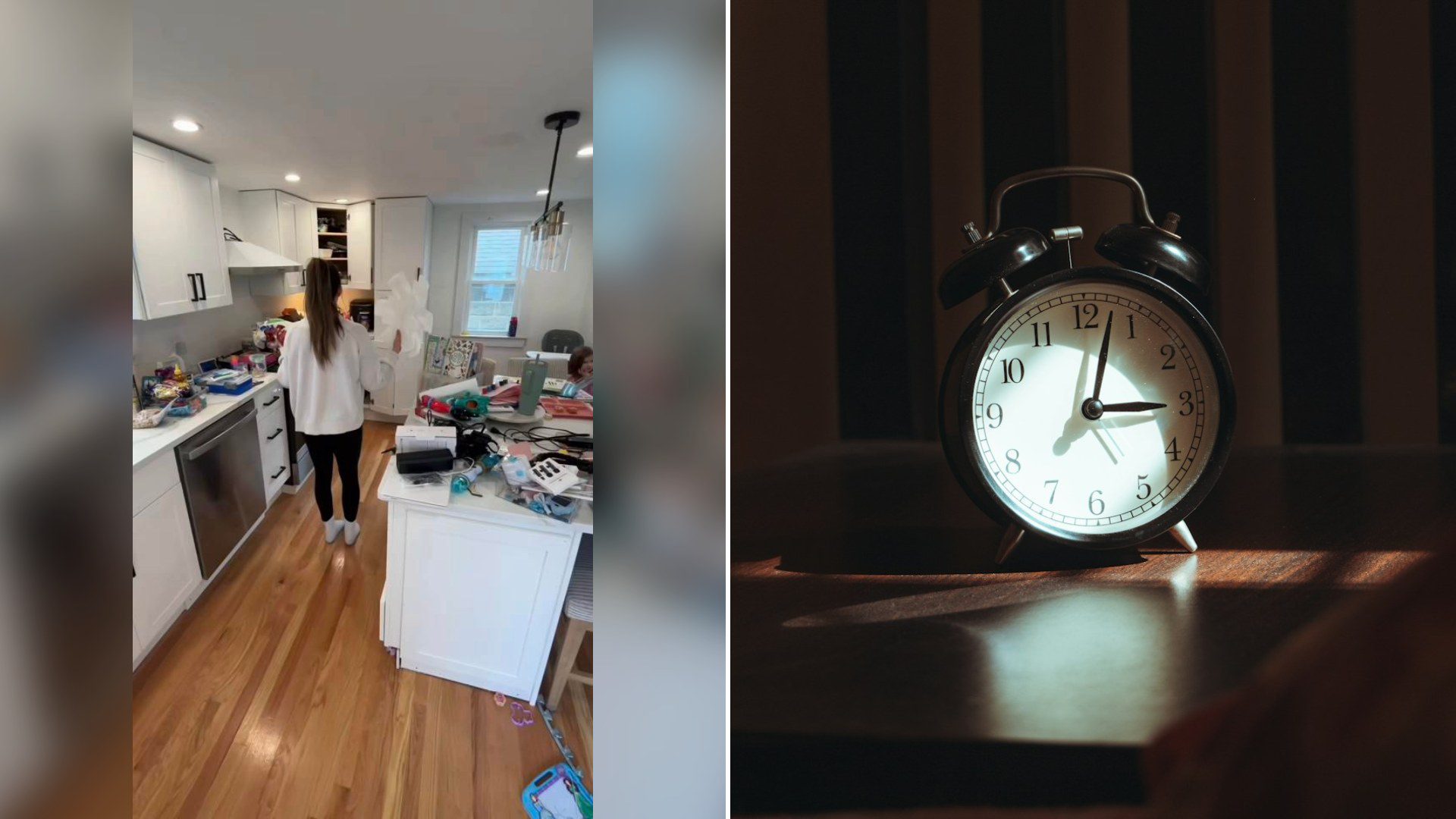
Her approach has three stages, and the first one is surprisingly easy.
@erin.makehomesimple
Why She Finally Started
She explains that she personally loves getting rid of things, but going through an entire home can be overwhelming. At the time, her family was knee deep in a home they had never really settled into, and she could not take it any longer. She did not have the time or the energy to begin, but she knew she needed to get her home running the way she wanted.
Step One: Get Rid of Whatever Makes You Mad
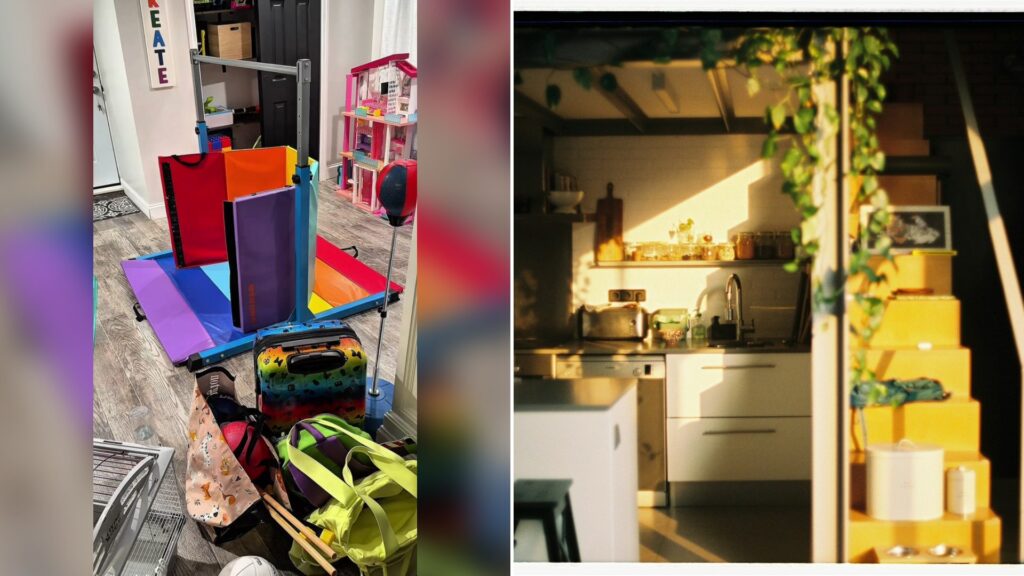
Her first move was a clever one. She started getting rid of anything that made her mad. Any room, drawer or closet counted. If she saw an item in her home that made her frustrated, and she did not want to deal with it, it went.
The rules were simple. She only removed things she could throw away or recycle. Items that might require more thought, such as things she might sell or donate, were left where they were. That kept the process quick, because choosing whether to sell or donate takes time and effort, and can lead to stalling. The payoff was big. She was able to create space and feel relief right away, without an unfinished project hanging over her head. It built momentum and gave her energy to keep going.
In her caption she described this as one quick sweep through the house to get rid of anything you do not have to think about. Toss the trash, recycle the papers and remove the obvious clutter. Do not overthink it.
Step Two: Go By Category, Not By Room
If your home still feels overwhelming after the first sweep, she suggests decluttering by category instead of by room. If you have a lot of one kind of item, gather every one of them in a single place and go through them together. Her examples were mugs, plates, books, pillows and blankets, and her caption added water bottles and toys. When you finish one category, move on to the next.
She finds this less overwhelming than looking at a whole closet. It also lets you make quick progress and see how much you actually own. It is hard to argue that you need twenty-five mugs when they are all lined up on the table in front of you.
Why Throwing Away Comes First
There is a good reason she began with trash and recycling instead of donation boxes and online listings. Items you plan to sell or donate tend to sit in piles for weeks, which can make a house look even messier than before. Trash leaves right away. By removing only what can be thrown out or recycled, she saw results the same day, and that quick feedback is what kept her going through the rest of the year and a half.
Step Three: Get Detailed
Only after the first two steps does she suggest getting down to the small stuff. Once you have made a noticeable dent in the clutter, you can start going room by room, closet by closet, and drawer by drawer. She calls this getting “mini gritty.” But she reminds her audience that they are not there yet, so there is no need to worry about it. For now, the goal is simply to make movement within the home. She adds that you do not have to declutter your entire house in a weekend, and small steps add up.
Putting Her Plan Into Action
Here is a practical guide for using her approach when you are feeling unmotivated.
Take a ten-minute walk with a trash bag. Go from room to room and pick up anything that is obviously trash or recycling. Include old mail, empty containers, broken items and expired products. Do not stop to think about anything.
Notice your frustrations. Pay attention to the things that irritate you whenever you see them. Maybe it is a pile of cords, a cabinet that will not close or a pair of shoes that never fit. If it makes you annoyed and you can toss or recycle it, do so.
Save decisions for later. If an item needs thought, set it aside and move on. Selling, donating and gifting can wait for another day.
Choose a category. Pick something with lots of duplicates, such as mugs or towels. Gather them all in one place.
Keep the best, release the rest. Choose your favorites and the ones you use. Everything else can go.
Celebrate each category. Finishing one category is a win. Give yourself credit before moving on.
Be patient. She spent a year and a half on her project. You do not need to be that slow, but you also do not need to rush.
Motivation Follows Action
One of the most useful ideas in her message is that you do not have to wait until you feel motivated. Motivation tends to show up after you begin, not before. Throwing out ten obvious pieces of trash gives you a small burst of energy, and that energy carries you through the next step. If you feel stuck, try her trick of looking for the things that make you mad. You might be surprised at how quickly the pile grows and how good it feels to see it go.