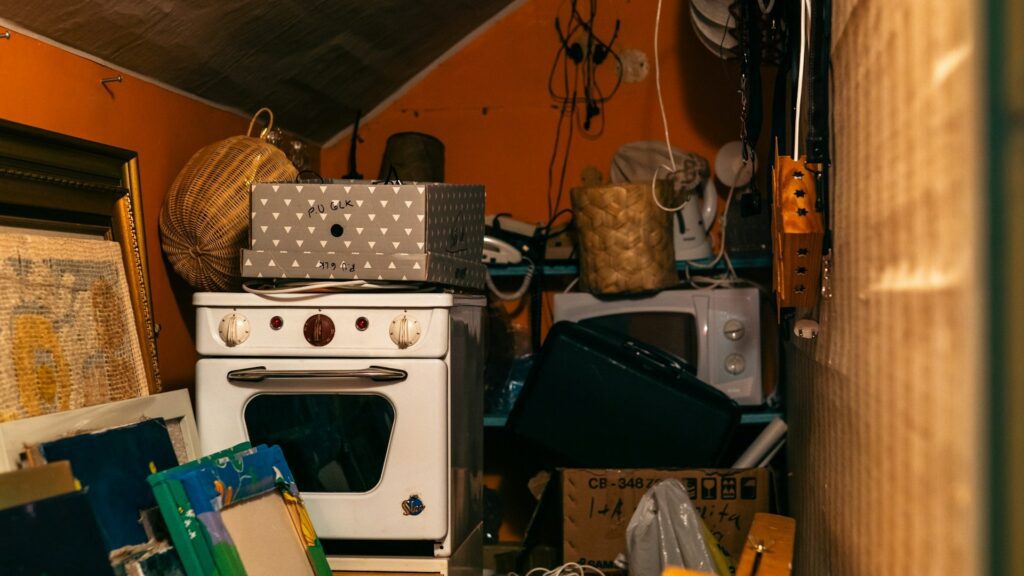
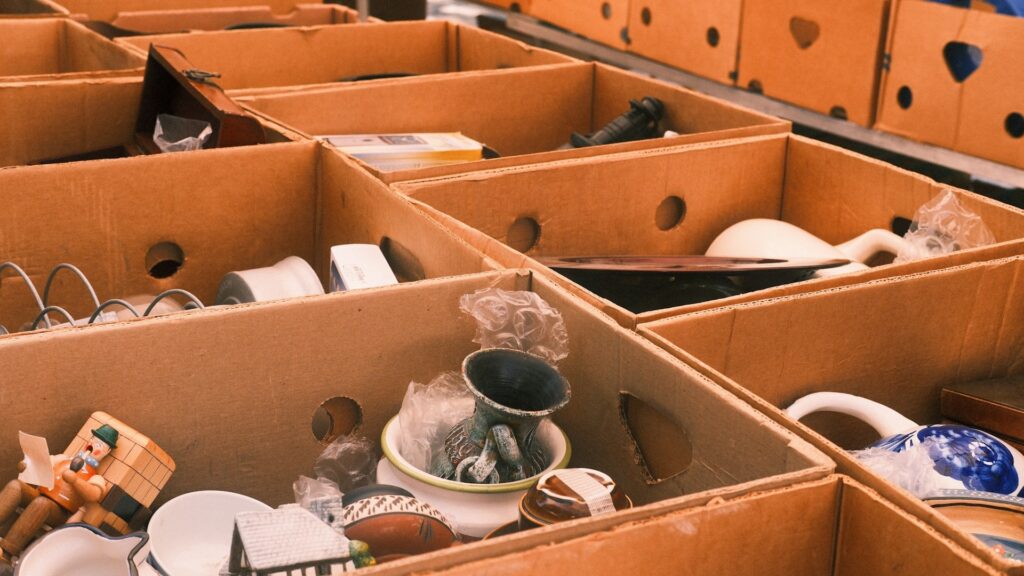
The garage is where good intentions go to pile up. Boxes, cans, old furniture and that spare freezer all land there because they are out of sight.
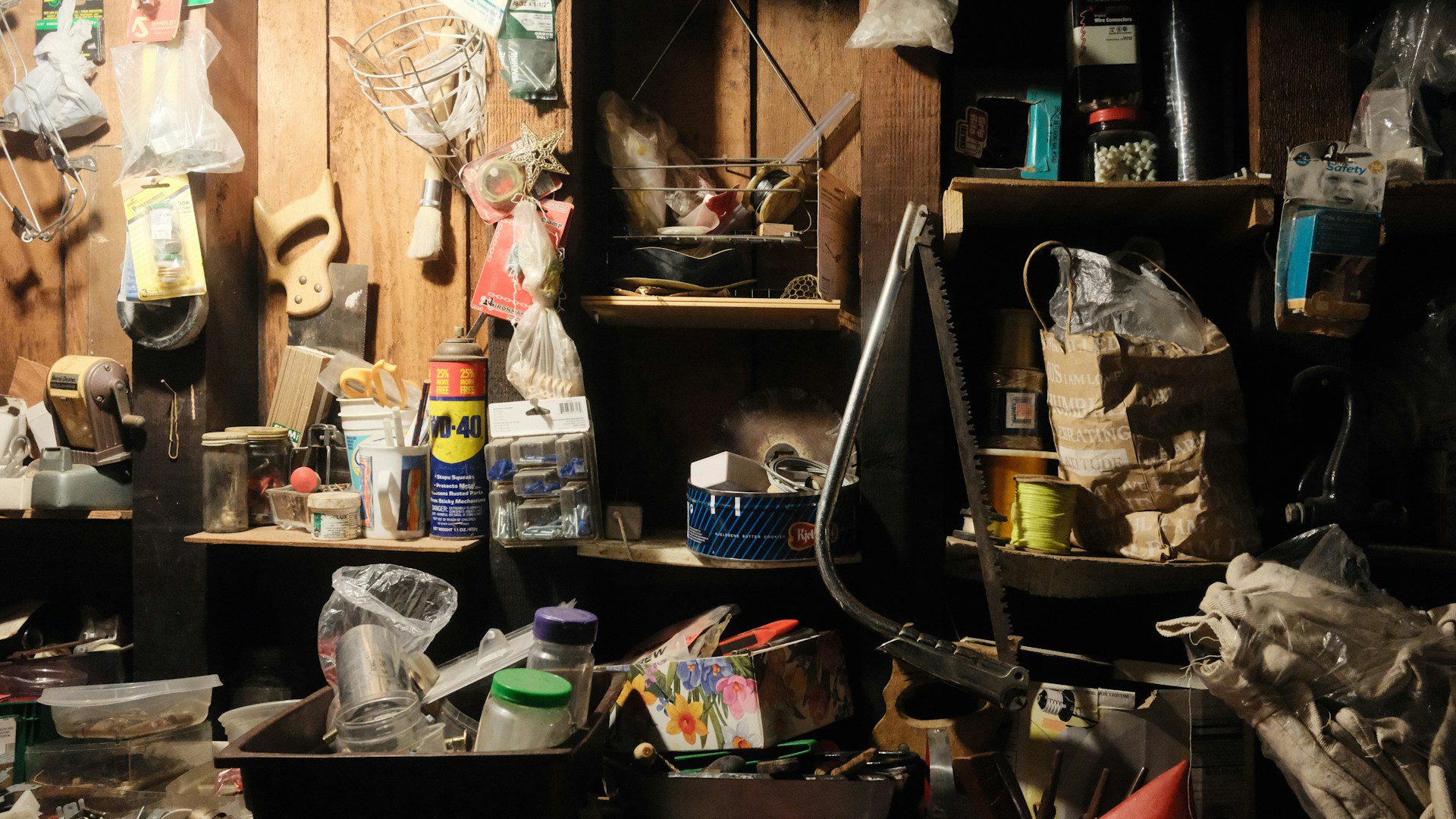
But a garage swings from freezing to sweltering, and some of the things we tuck inside it can spoil, rot or even catch fire. Here are 12 things to move out, based on guidance from Bob Vila (2022, updated 2024), HomeServe (2026) and a fire inspector at Vandenberg Air Force Base.
Fire codes and local rules differ, so check with your own fire department if you are unsure.
Propane Tanks Belong Outdoors, Not Next To Your Car
Tim Johnston, a fire inspector at Vandenberg Air Force Base, wrote in 2010 that propane cylinders stored indoors pose an explosion risk and should never be kept inside. Bob Vila says a leaking valve can release gas, creating asphyxiation and fire risks, and that a spark or pilot light could ignite it.
HomeServe adds that tanks should never be exposed to temperatures above 120 degrees Fahrenheit, which a hot garage can create. Store them outside.
Gasoline Can Turn A Small Spark Into A Big Fire
The Vandenberg fire inspector lists flammable liquids such as gasoline among the top garage hazards. His advice is to store only small amounts in sealed, clearly labeled containers, away from appliances, heaters and pilot lights.
Bob Vila notes that many community fire codes limit storage to under 25 gallons. Use approved containers, keep them out of sunlight and away from children, and ask your fire department about your local limit.
Old Paint Can Separate, Gel Or Spoil
Bob Vila says unheated garages can cause paint to separate or gel, and unopened cans can spoil in extreme temperatures. If you will not be painting for months, he suggests a basement or utility closet.
HomeServe says some manufacturers recommend storing paint and solvents between 60 and 80 degrees Fahrenheit. Overheated paint and solvents can also pose a fire hazard and burst containers.
Oily Rags Can Burst Into Flame On Their Own
This is the one that surprises people. Bob Vila says oily rags are highly combustible and a pile can self-ignite.
His advice is to dry them flat on a noncombustible surface, put them in a metal can filled with water, and take it to a hazardous waste disposal site.
A Spare Refrigerator Can Drive Up Your Power Bill
Bob Vila says refrigerators work best at 65 to 78 degrees Fahrenheit. Summer garages can exceed 100 degrees, which raises energy bills, and winter cold can freeze the food inside.
Mercury Insurance also notes that extra refrigerators and freezers in the garage use a lot of energy in summer. Think hard before keeping that old fridge humming out there.
Canned Food Can Rust Or Spoil In A Hot Or Damp Garage
Bob Vila says damp garages can rust tin cans, and that garages hotter than 85 degrees Fahrenheit, citing USDA guidance, risk spoiling the food. HomeServe says temperatures above 100 degrees can lead to spoilage in canned goods.
Keep your pantry staples in a cool, dry spot inside the house.
Pet Food And Pantry Staples Invite Mice And Bugs
According to Bob Vila, pet food and pantry items attract rodents and insects, and temperature swings can cause spoilage. His examples include 5-pound bags of flour and a 50-pound bag of dog food.
Mercury Insurance says pests can detect food even in containers. A sealed bin indoors is a safer bet.
Wooden Furniture Can Warp And Crack Within Months
Bob Vila warns that temperature and humidity swings cause warping and veneer delamination, and some pieces can become unusable within a few months. Mercury Insurance agrees that humidity and temperature swings can cause warping and cracking unless the garage is climate-controlled.
If Grandma’s dresser is headed for a grandchild, give it a spot indoors.
Electronics Do Not Like Moisture Or Heat
Bob Vila says high humidity endangers circuit boards and insects can damage internal components. HomeServe adds that high heat can damage components, warp plastic and break down adhesives, shortening a device’s life.
Old computers and game consoles belong in a closet, not a cold garage.
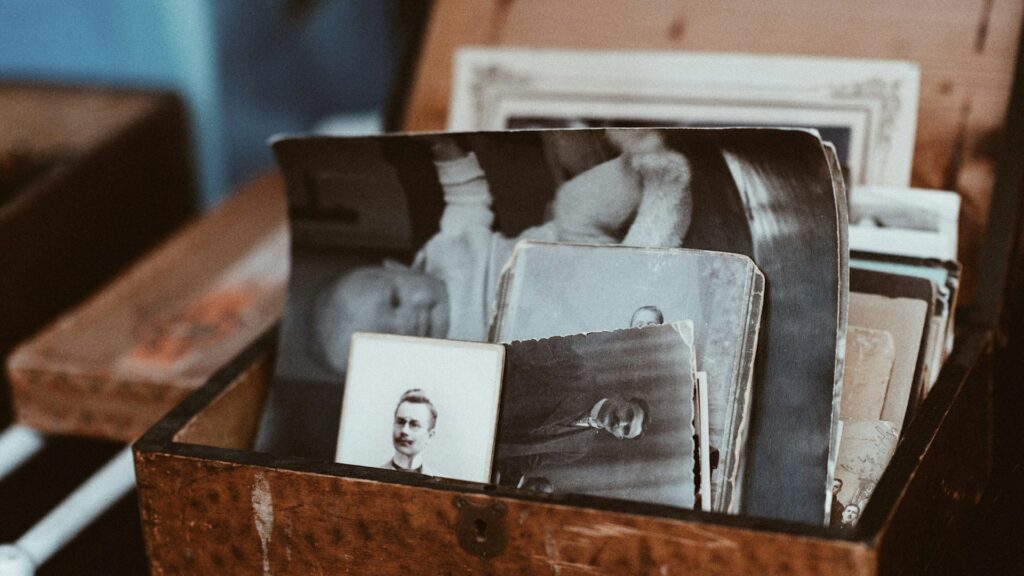
Treasured Photos And Paper Products Are Easy Targets
Bob Vila says garage conditions cause photos to fade and stick together, and recommends a cool, dry, dark place. He also says paper attracts mice and chewing insects such as termites and silverfish, and that temperature changes can make paper curl and crack.
HomeServe says high heat can cause paper and ink to deteriorate quickly. Your family albums deserve a bedroom closet.
Bedding And Clothing Can Turn Musty Or Moth-Eaten
Bob Vila says heat, humidity and insects lead to mold, mildew and damage to bedding and clothing, including spare mattresses, which are vulnerable to insects and car fumes even when wrapped. HomeServe says prolonged heat can cause discoloration and brittle fabric, and that stored clothes may attract moths and rodents.
Sealed plastic bags kept indoors are a better choice.
Firewood Can Carry Pests Into Your House
Bob Vila says firewood can bring pests that migrate into the home. He advises storing it on an elevated rack away from the house, covered with a tarp.
Bring in only what you will burn that evening.
A Safer Garage Starts With A Short Checklist
The Vandenberg fire inspector recommends installing a fire detector and testing it at least monthly, plus keeping a fire extinguisher in an accessible spot. He also advises keeping the garage clean and clearing out dust, cobwebs and trash monthly.
Start with the fire risks, then work down the list. A weekend of sorting can make the space safer and put some cash in your pocket when you sell what you no longer need.
More Stories You May Like
- Stacking Unlabeled Boxes In A Hot Damp Garage Can Ruin What Is Inside, So Know What Never To Store In A Garage Or Attic And How To Protect The Rest
- Everyday Things That Look Valuable In Your Garage But Almost Never Sell No Matter How Hard You Try To List Them
- Garage Sale Scammers Use Fake Bills And Distraction Tricks On Sellers So Learn How To Protect Your Cash Box