Creating a space that feels both stylish and comfortable can seem challenging, but it doesn’t have to be. You might have noticed how interior designers effortlessly bring harmony and interest into a room, making everything look thoughtfully put together.
These styling secrets will give you practical ideas to elevate your space by using techniques that designers rely on every day. With a few simple tips, you can create a space that reflects your personality while feeling inviting and balanced.
Use the rule of thirds when arranging decor items for balanced visuals
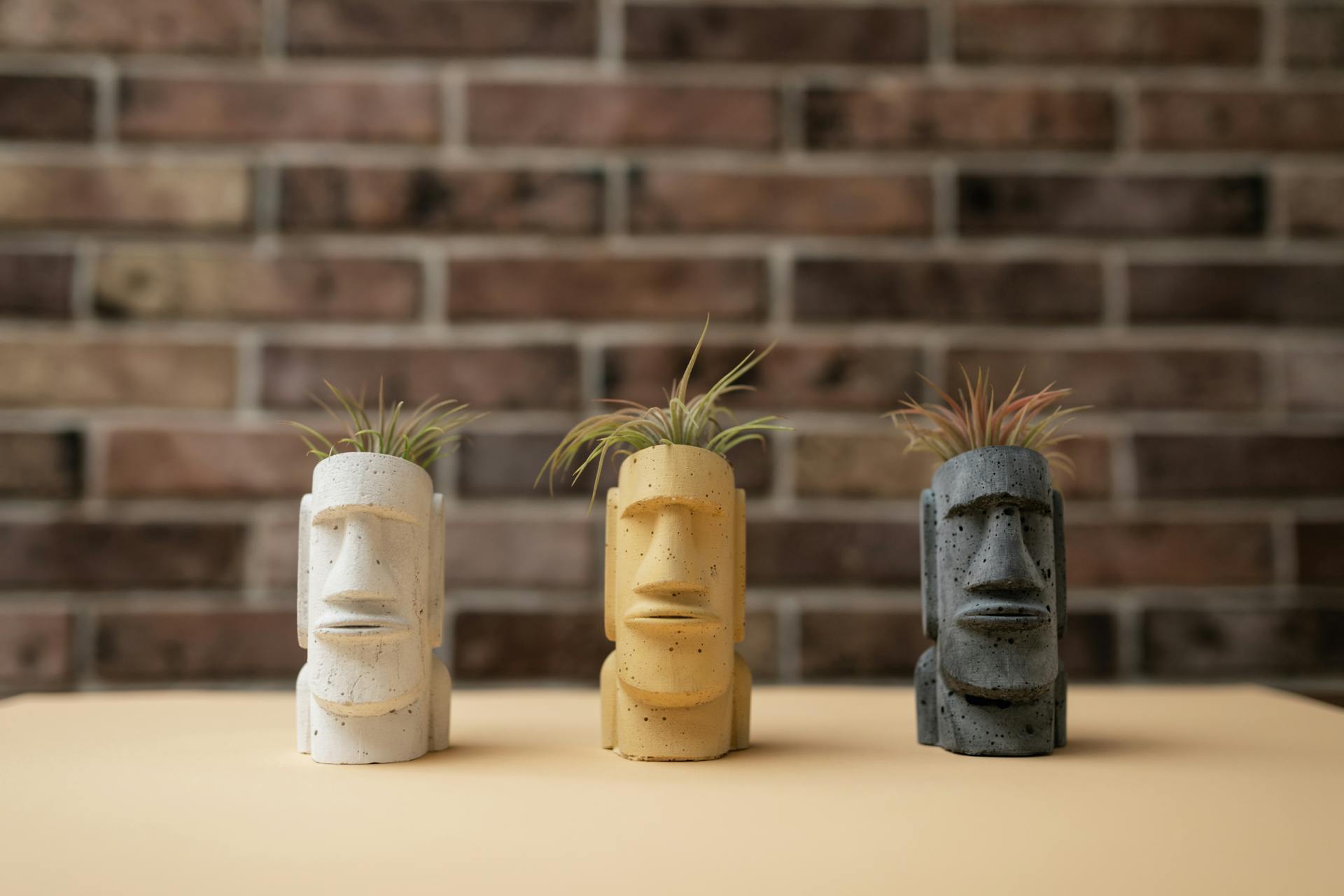
When you arrange decor, imagine dividing your space into three equal parts both horizontally and vertically. This grid helps you place items so they feel balanced and natural to the eye.
Try grouping objects in threes, like vases or plants, varying their heights. This creates visual flow and keeps things interesting without clutter.
Using the rule of thirds prevents overcrowding one area and helps you create a calm, well-organized look in your room.
Pair one vertical, one horizontal, and one sculptural piece in vignettes
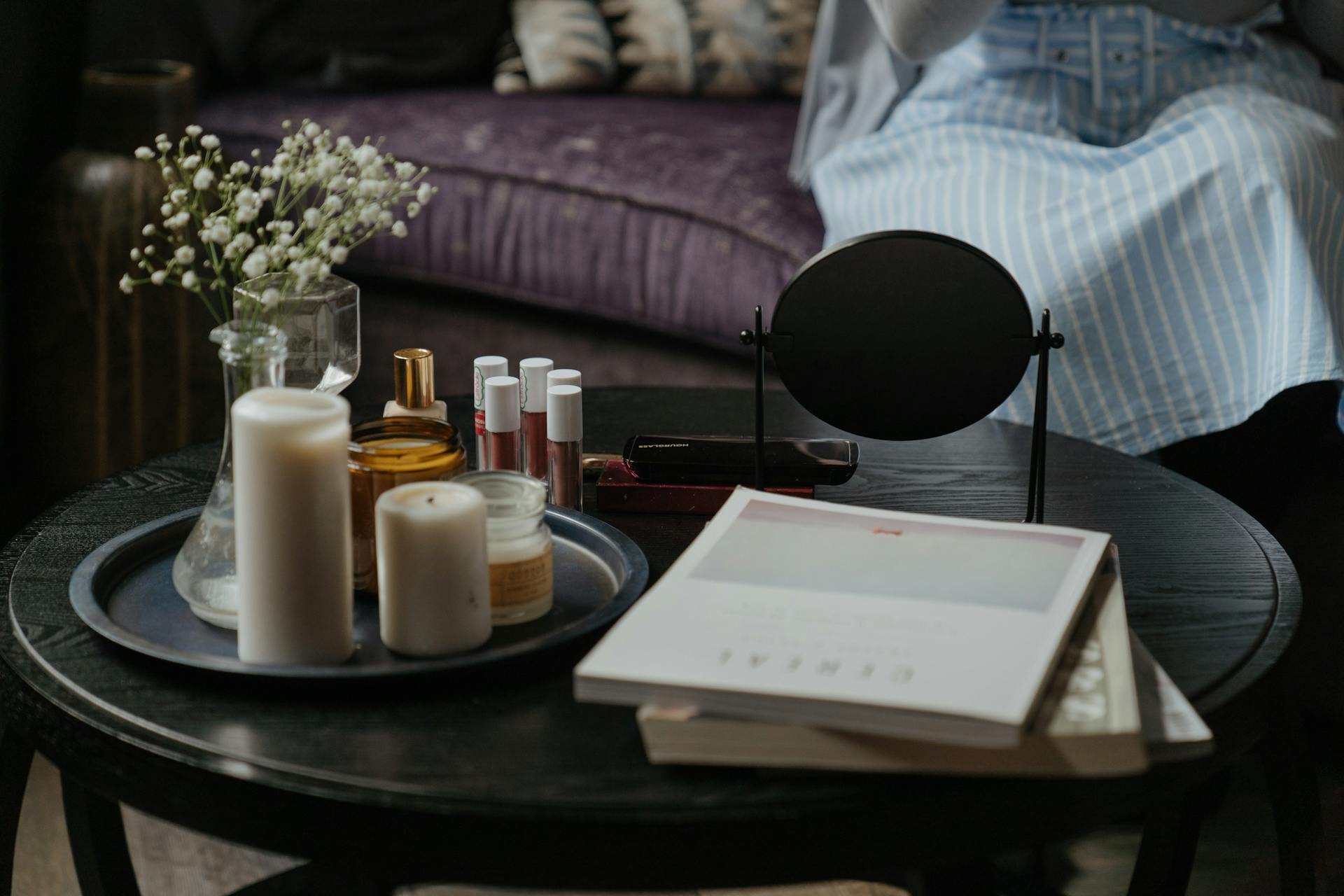
When styling a vignette, think about balancing shapes. Choose one vertical item like a tall vase or framed photo to add height.
Add a horizontal piece, such as a stack of books or a low tray, to ground the arrangement.
Finally, include a sculptural object—something with interesting texture or form—to bring personality and dimension to your display. This mix keeps your vignette visually engaging and well-balanced.
Incorporate a 70/30 color split or golden ratio for color harmony
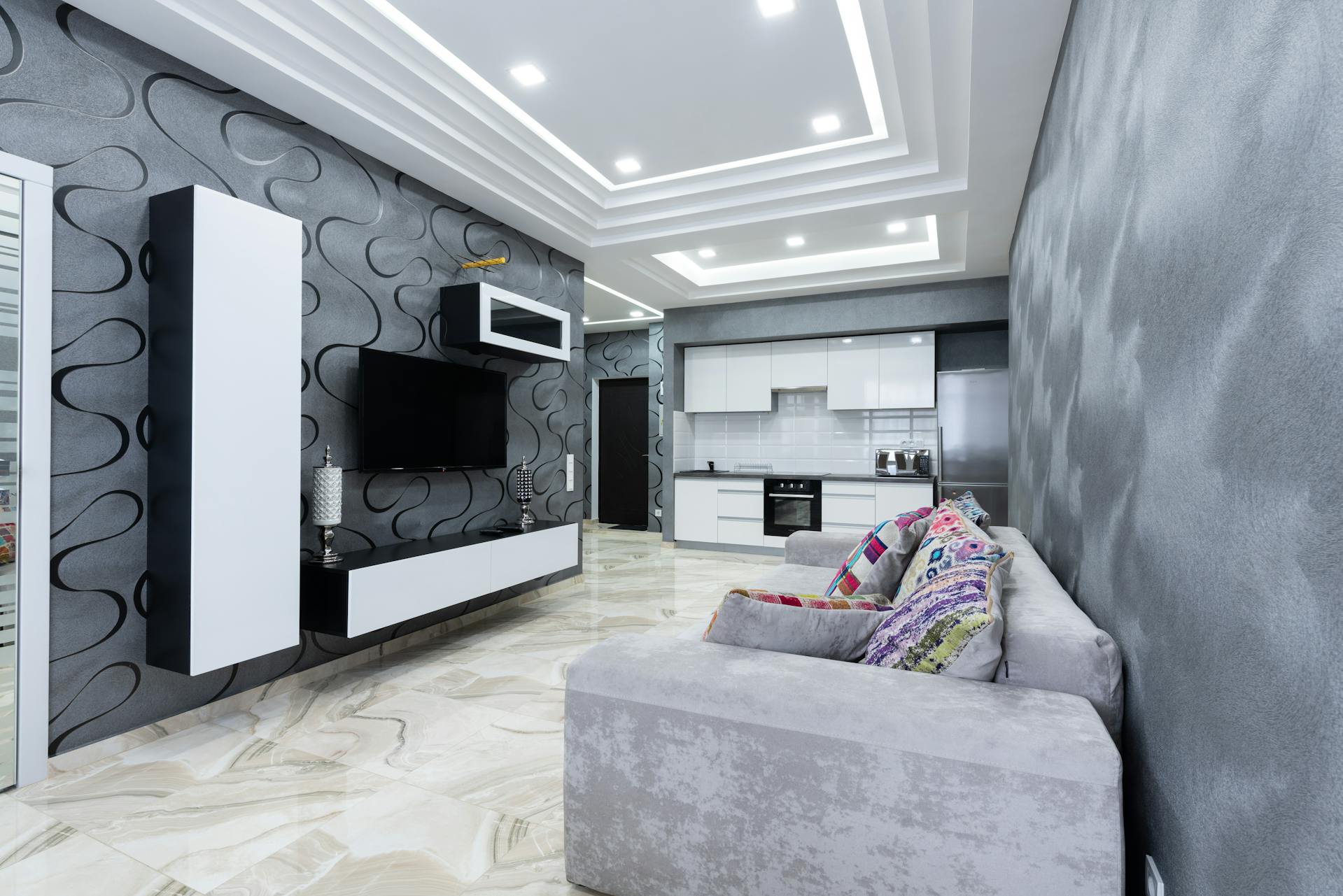
Using a 70/30 color split helps you create balanced and visually appealing rooms. You can cover 70% of your space with a dominant color and use the remaining 30% for complementary shades.
Alternatively, the golden ratio suggests a 60/30/10 split. This means 60% dominant color, 30% secondary, and 10% for accent hues.
Both methods give you a simple guide to mix colors without overwhelming your space. It makes your room feel more put together and comfortable.
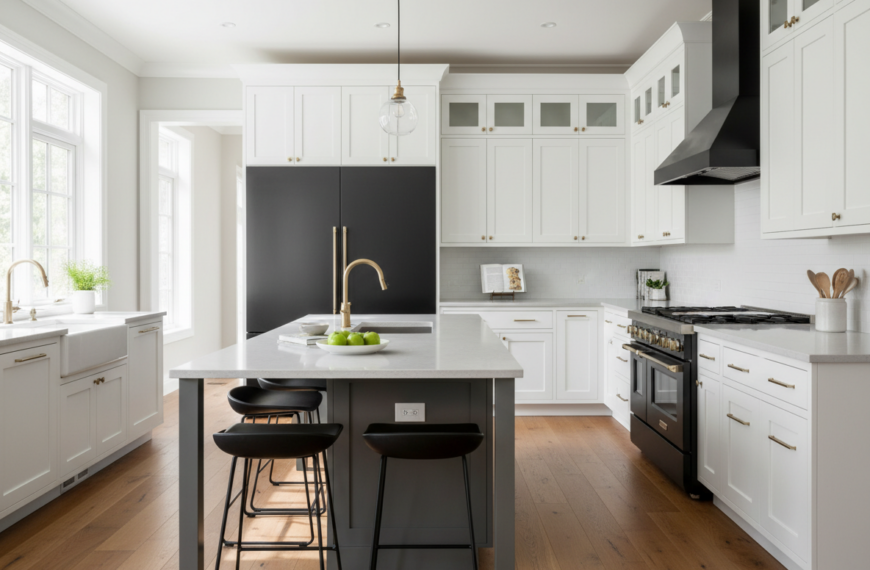
Layer lighting with a mix of ambient, task, and accent lights

You can create a balanced and inviting space by combining ambient, task, and accent lighting. Ambient light provides overall illumination, making your room feel bright and open.
Add task lighting where you need focused light, like for reading or cooking. Accent lights highlight features such as artwork or plants, adding depth and interest.
Using different fixtures that you can control separately lets you adjust the mood and function throughout the day. This layered approach makes your space more flexible and comfortable.
Add mirrors to amplify natural light and make spaces feel larger

You can use mirrors to reflect natural light and bring more brightness into your room. Placing a large mirror opposite a window helps bounce sunlight around, making your space feel airier.
Choose mirrors with simple frames to avoid overwhelming your decor. Full-length or oversized mirrors work well to create the illusion of depth, opening up smaller rooms and dark corners.
Style bookshelves in ‘slices’ with grouped objects for flow

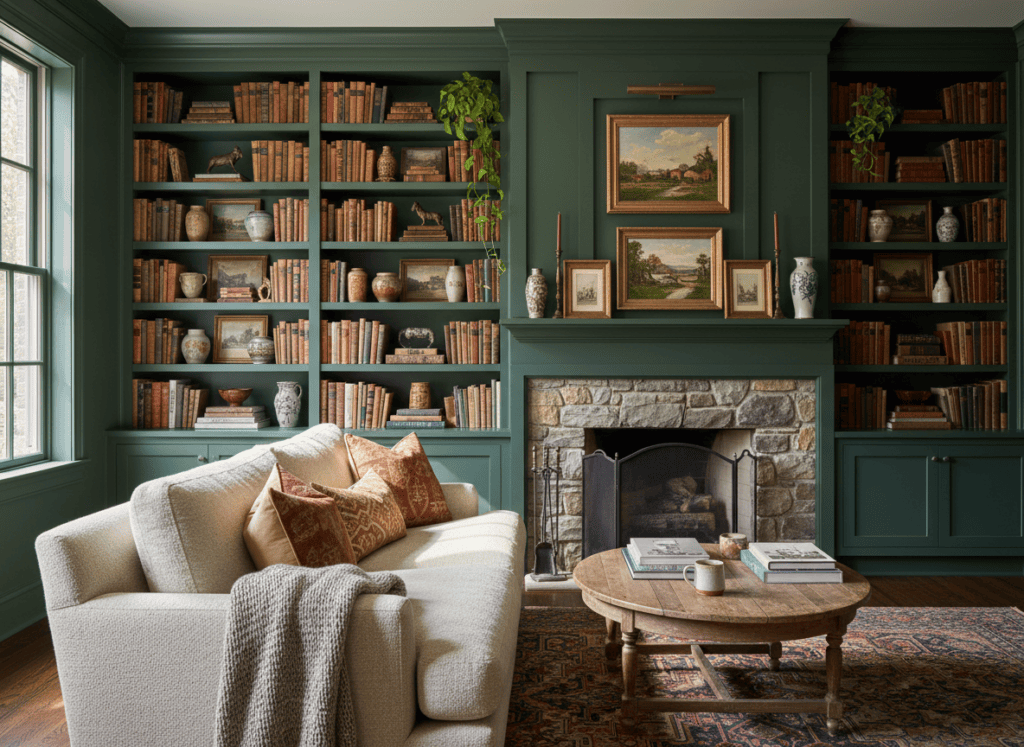
When styling your bookshelf, think of dividing the space into smaller sections or “slices.” Group objects together within these areas to create a balanced and organized look.
Try combining items like books, plants, and decorative pieces in odd numbers. This adds visual interest without overwhelming the eye.
Using trays or baskets can help keep smaller pieces contained. Grouping related items makes your shelf easier to navigate and more pleasing to look at.
Include a subtle color thread to connect adjoining rooms

You don’t have to make adjoining rooms match perfectly. Instead, find a color that appears subtly in both spaces. This can be a trim, an accent piece, or even a rug.
Using a shared color creates a gentle connection that helps the rooms feel intentional and balanced. It ties them together without making them look like twins. This simple thread keeps your home flowing smoothly from one room to the next.
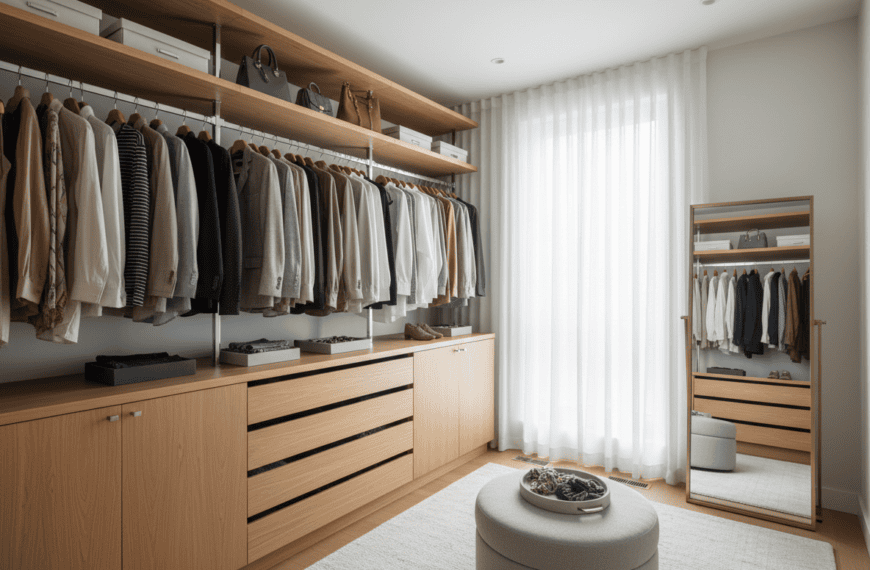
Use sheer curtains to soften light and create an airy feel.

You can use sheer curtains to gently filter sunlight, which helps to soften harsh light in any room. This creates a bright yet calm atmosphere without blocking natural light completely.
Sheer curtains also add an airy vibe to your space, making it feel open and inviting. They work well in living rooms, bedrooms, or sunrooms where you want light but also some privacy.
Create pillow combinations mixing sizes and textures for cozy beds

Start by choosing pillows in different sizes. Use large square pillows at the back, then layer medium and smaller sizes in front to add depth.
Mix textures like smooth fabrics with soft knits or subtle patterns. This blend keeps your bed feeling warm without being too busy.
Experiment with shapes too. Adding rectangles or even round pillows gives your bed a relaxed and inviting look you’ll love.
Vary materials in a room like wood, metal, and fabric for depth

Mixing different materials adds texture and interest to your space. Wood brings warmth and a natural feel.
Metal introduces sleekness and a modern edge.
Fabric softens the overall look and adds comfort. Combining these materials helps you create layers that make your room feel balanced and inviting.
Try pairing a wooden table with metal accents and cozy fabric cushions to see the effect in your space.
Start styling with 3-4 focal secrets per room to avoid overwhelm
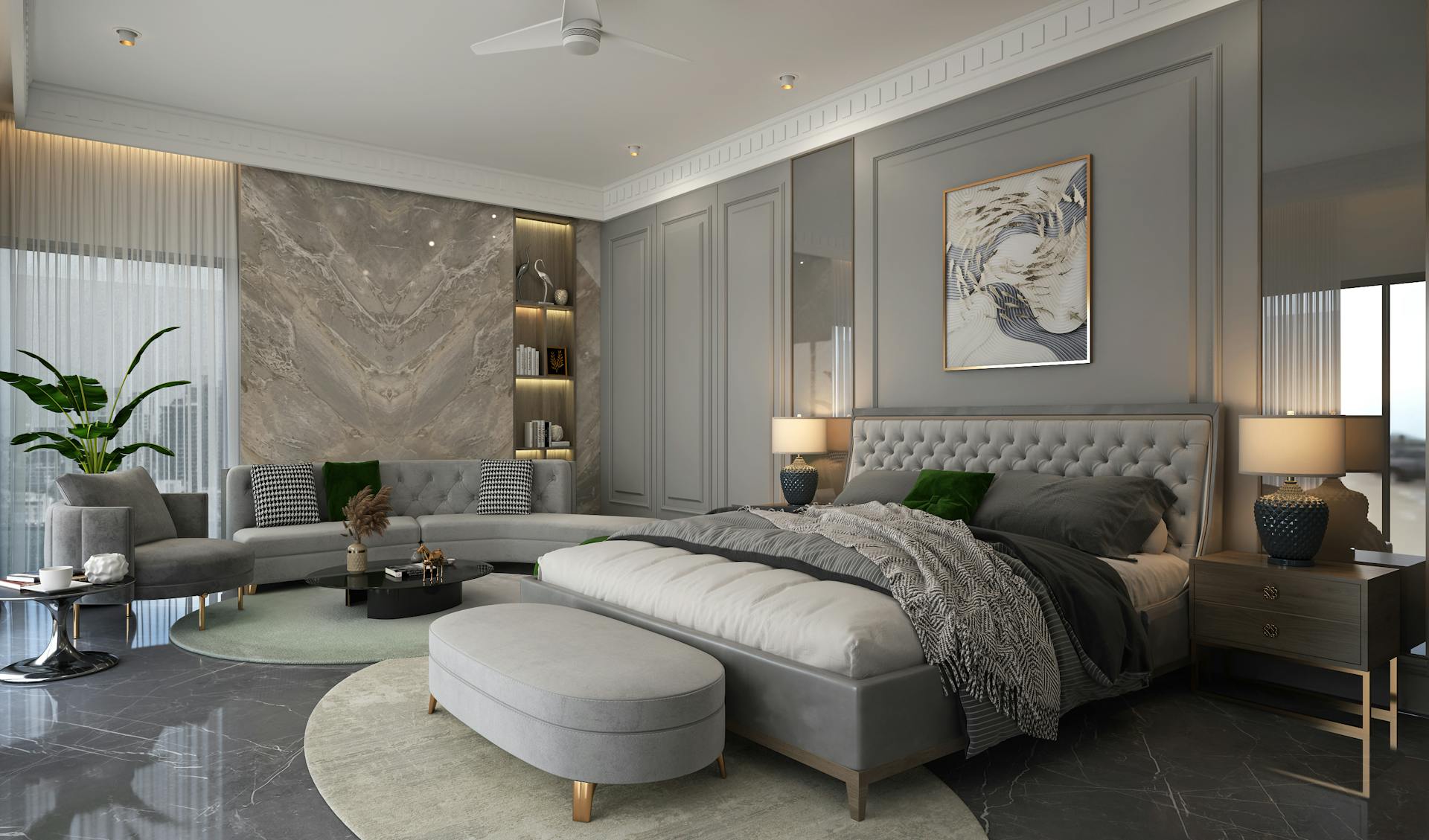
When you begin styling a room, focus on just 3-4 key elements. This keeps things simple and manageable.
Choose focal points that naturally draw the eye, like a piece of art, a bold sofa, or a statement rug. This helps create balance and harmony.
By limiting your focus, you avoid feeling overwhelmed. You’ll create a space that feels thoughtful without being cluttered.
Don’t be afraid to mix old and new pieces for personality

Mixing old and new adds character to your space. It creates a unique look that feels personal, not just trendy.
You can pair a vintage chair with a modern table or combine different materials like aged wood and polished metal.
Let each piece shine without overcrowding. This balance helps your room tell a story and invites a warm, lived-in vibe.
Choose sculptural decor to add artistic interest and texture
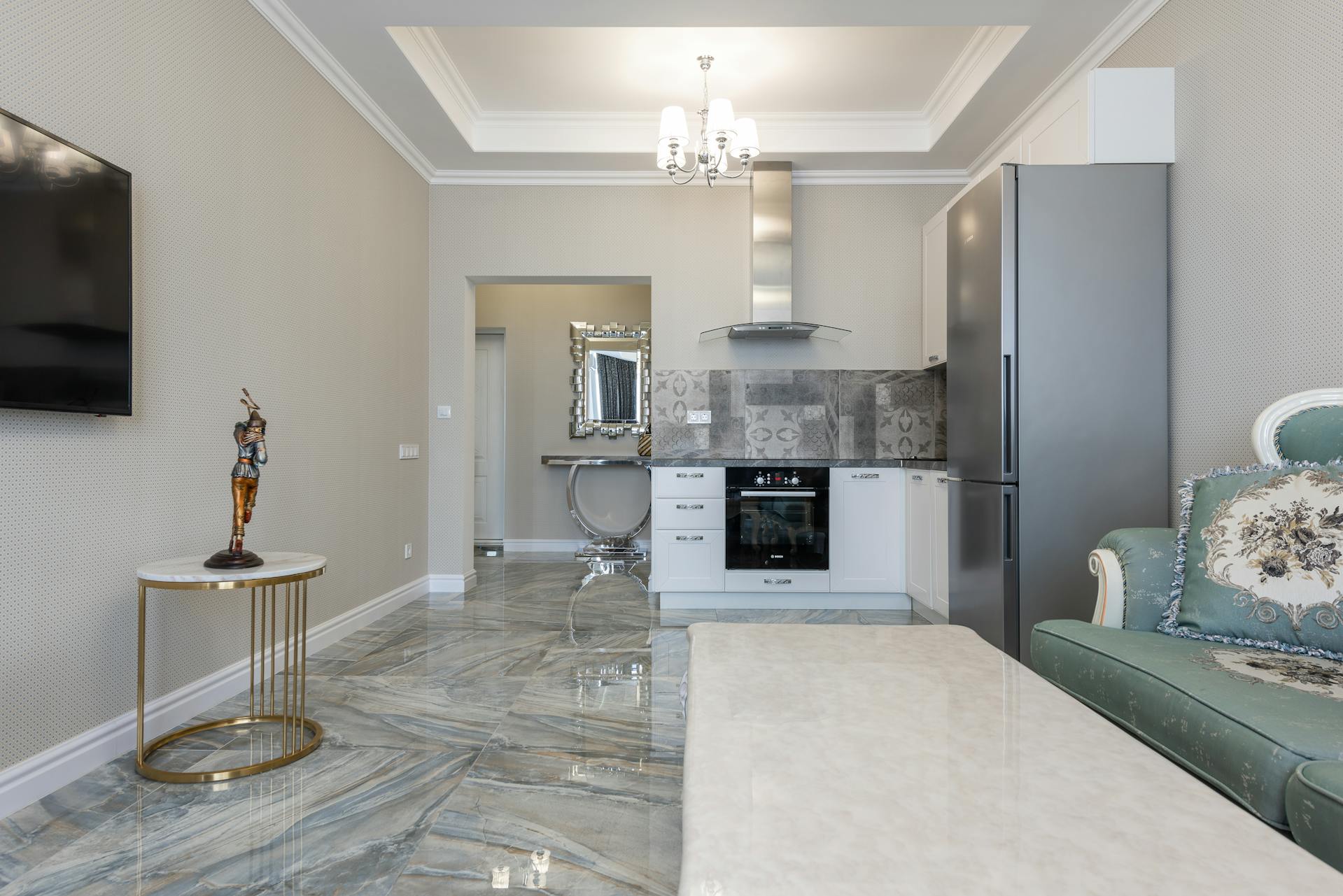
You can elevate your space by adding sculptural decor. These pieces bring texture and a unique artistic touch that simple furniture often can’t provide.
Consider placing a bold sculpture on a coffee table or shelf. It creates a focal point and adds depth to your room.
Go for shapes and materials that contrast with your existing decor. This mix keeps your space visually interesting and inviting.
Keep accessories in odd numbers to appear more natural and inviting

When you arrange accessories, try using odd numbers like three, five, or seven. This creates a balanced but relaxed look that feels more natural to the eye.
Grouping items in odd numbers helps avoid symmetry that can sometimes seem too formal or stiff. It encourages a flow that guides your eye around the space.
You can mix different sizes and textures within these odd groupings for extra interest. This simple trick makes your styling appear thoughtful without being overly planned.
Opt for functional decor pieces that double as storage solutions

You can save space and stay organized by choosing decor that also stores your items. Think ottomans with hidden compartments or coffee tables with shelves underneath.
These pieces keep your room tidy without adding clutter. Plus, they add a stylish touch that feels intentional.
Using furniture this way means you don’t have to sacrifice design for practicality. It’s a simple way to make every inch of your space work harder for you.