


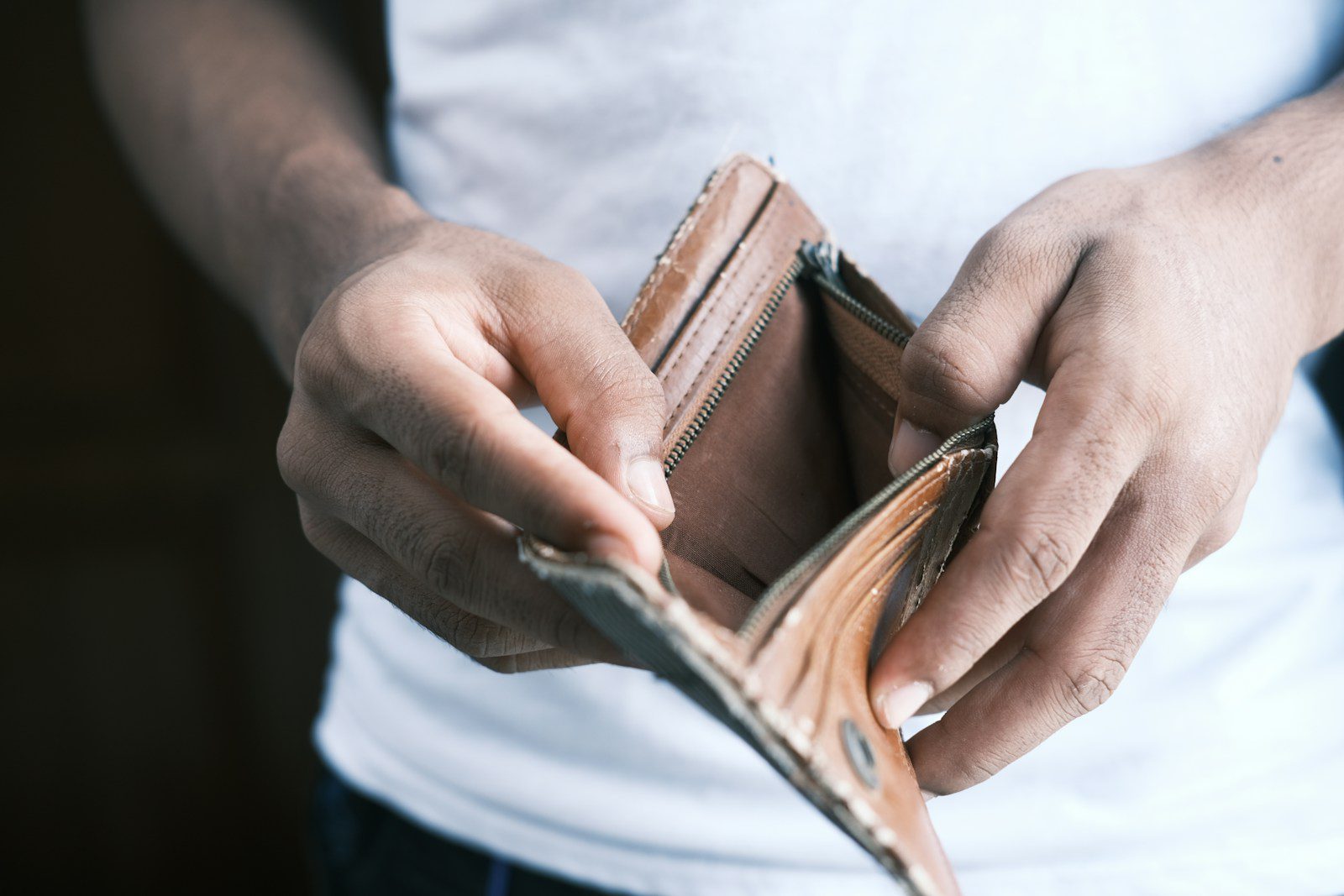
I used to think managing money was all about tracking big expenses like rent or groceries. But over time, I realized that small, everyday habits around the house can quietly chip away at my budget without me even noticing.
Understanding which home habits are slowly draining your bank account can help you take control of your finances and save more each month. It’s easy to overlook these little money leaks, but paying attention to them can make a real difference.
Leaving lights and electronics on when not in use
I used to leave lights on in empty rooms without thinking much about it. It adds up faster than you’d expect, especially with traditional bulbs. Even some LEDs use more power than they need when left on for hours.
Electronics like TVs and gaming consoles draw power even when turned off. This “phantom energy” can sneak into your bill if you’re not careful. Unplugging them or using a power strip saves both money and energy in the long run.
Getting into the habit of switching off lights and unplugging devices feels like a small change, but it can make a noticeable difference on my monthly bills.
For more on how this affects your expenses, check out these common household devices that drain power.
Keeping HVAC running all day without a thermostat
I used to think leaving my HVAC on all day was the easiest way to stay comfortable. But without a programmable thermostat, it just wastes energy. The system runs nonstop, even when no one’s home.
This constant running pushes up my electric bill and wears out parts faster. It’s not cost-effective because the AC uses more power trying to cool a warmer house after being off.
Adding a thermostat lets me set the temperature to rise when I’m out and cool the house just before I return. It helps save money and avoids unnecessary wear on the system.
You can learn more about this strategy to save energy and money here.
Ignoring small leaks in faucets or toilets
I used to ignore tiny drips from my faucet, thinking they were harmless. But even small leaks waste water and slowly hike up my bills without me noticing.
Leaks can also cause damage behind walls or under sinks, which means more expensive repairs later on.
I learned it’s smart to fix even minor leaks quickly. Turning off the valve or calling a plumber saves me money and stress in the long run. You can check out why ignoring these leaks can be risky at a hidden dangers of ignoring small leaks article.
Buying coffee or snacks daily instead of making at home
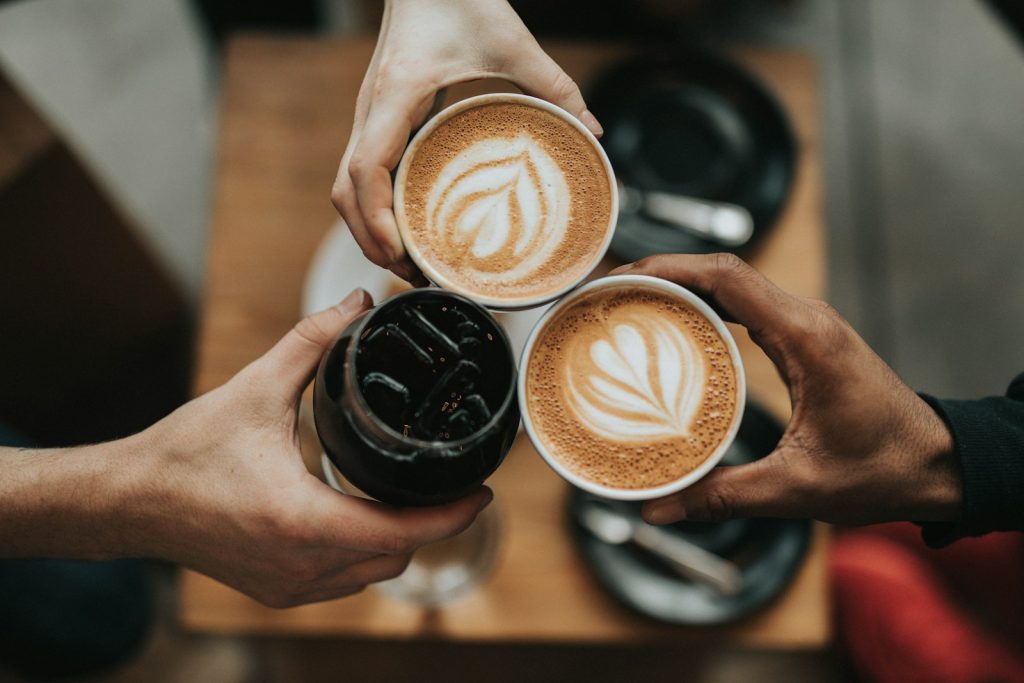
I used to grab coffee or snacks every day on the way to work without thinking much about the cost. Those small purchases, like a $4 coffee five days a week, quickly added up to over $1,000 a year.
Making coffee or snacks at home feels simpler and saves me a good chunk of cash. Plus, it breaks the habit of automatic spending. I found that this small change helped me take better control of my money and daily routine.
For some tips and math behind this, check out how much you can actually save by making coffee at home.
Accumulating unused streaming and app subscriptions
I used to have a bunch of streaming services and apps running at once. Most of the time, I forgot about them or barely used them.
Those small monthly fees add up quickly, even if I’m only paying a few dollars each. It feels like I’m throwing money away without realizing it.
Now, I try to keep track and cancel any subscription I’m not actively using. It’s surprising how much you can save just by tightening up this habit. For tips on spotting hidden charges, you can check out this guide on subscription creep.
Not sealing windows and doors to prevent drafts
I used to ignore those tiny gaps around my windows and doors, thinking they were no big deal. Turns out, even small drafts let cold air sneak in and warm air slip out. That made my heater work overtime and my energy bills creep up.
Sealing these drafts doesn’t have to be complicated. Simple fixes like weatherstripping, door sweeps, or even caulk can make a noticeable difference. I found using thermal curtains helped keep the warmth in too.
If you want to keep your home cozy without spending a fortune, sealing drafts is a smart place to start. Detailed tips on this can be found in this guide on how to seal drafty windows and doors.
Overusing disposable paper towels and napkins
I used to grab paper towels and napkins like they were unlimited, but it really added up on my bills. These single-use items seem small, but the costs pile up over time.
Switching to cloth towels and reusable napkins saved me money and cut down on waste. Plus, I found I didn’t need as many once I started being more mindful.
If you want to reduce spending, it helps to think about alternatives instead of grabbing paper products out of habit. Small changes here made a noticeable difference for me. Try these tips from this article about household money drains.