


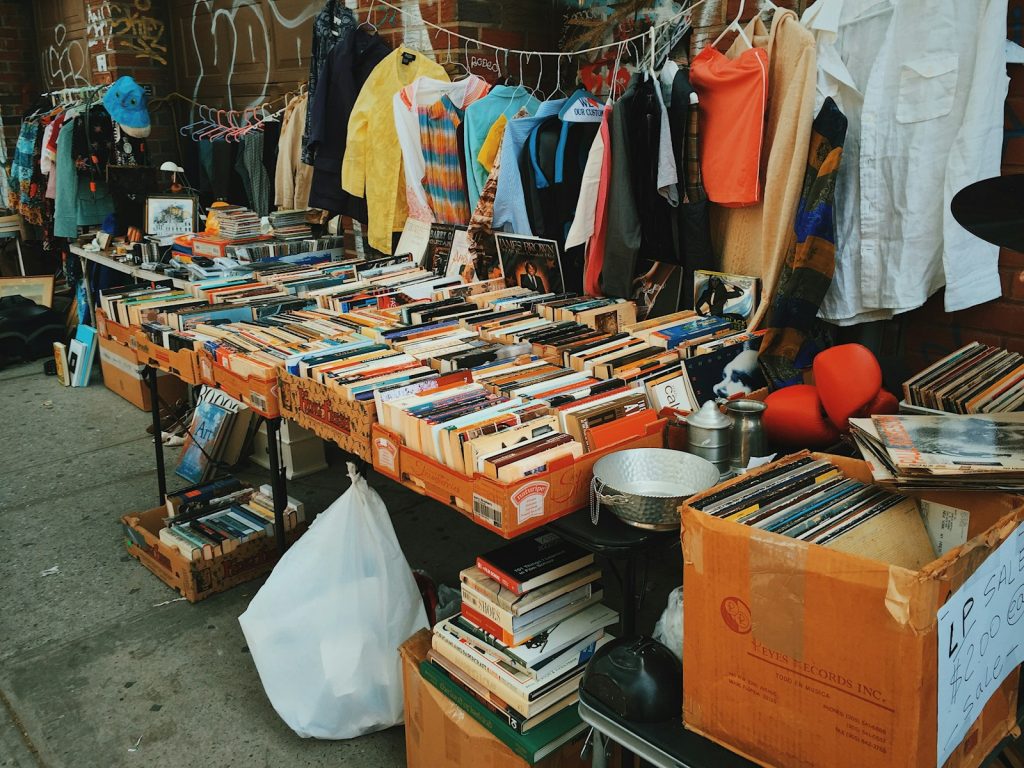
If you’ve ever wandered through a flea market, you know the thrill of spotting a hidden gem that could turn into a great profit. Vintage finds are especially popular right now, and knowing which items hold the most value can make all the difference when you’re hunting for treasures. The 7 most profitable vintage finds I’ve come across at flea markets combine high demand with affordable entry costs, making them perfect for anyone looking to turn their passion into profit. From vinyl records to mid-century furniture, these are the items that consistently catch the eye of buyers and bring in solid returns.
I’ve spent time digging through sales data and talking to vendors who know the market well, so in this post, I’ll share what’s selling best and how you can spot these top items for yourself. Whether you’re a seasoned seller or just starting, these finds offer some of the best opportunities out there.

The 7 Most Profitable Vintage Flea Market Finds
When I browse flea markets, I focus on items that combine history, quality, and unique style. These treasures often show strong buyer interest and can bring a good return. Whether it’s furniture with timeless design or collectible coins with historic value, knowing what to spot makes all the difference.
Antique and Mid-Century Modern Furniture
I always look for antique wooden pieces like English pine dressers or Victorian mahogany cabinets that show fine craftsmanship. Mid-century modern favorites, like Eames lounge chairs and Scandinavian dining chairs, are especially hot. Their clean lines and Scandi minimalism appeal to today’s decorative trends.
Furniture made from sturdy materials like travertine or with native American designs tends to draw attention. Items with visible wear but solid structure can often be restored and resold. Keep an eye out for well-known makers or authentic mid-century marks to boost resale value.
Vintage Clothing and Accessories
Vintage clothing remains a solid flea market category that I enjoy hunting through. Classics like Pendleton blankets and vintage Pendleton throws are popular for their durable wool and distinctive patterns, including Glacier National Park designs.
I look for quality items like leather jackets, retro scarves, or English pine-framed garments that carry a story. Vintage leather boots or classic pieces with Native American or southwestern motifs also catch buyers’ eyes. The secret is in condition and authenticity; clean, well-preserved pieces sell best.
Collectible Coins, Stamps, and Old Paper Money
Coins and stamps are small but valuable finds I often recommend. Rare old coins, especially those with historical significance, tend to appreciate well. Paper money in uncirculated condition or stamps featuring limited prints can bring good profits.
Flea markets often surprise you with forgotten collections. Look for items with clear dates and mint marks, especially coins from the U.S. or Europe. Condition is critical here, so handle items carefully and consider investing in protective cases before selling.
Retro Electronics and Gadgets
Retro electronics might seem niche, but classic gadgets like vintage cameras, old radios, and early gaming consoles are steadily gaining collectors. These items blend nostalgia and functionality.
Vintage kitchen gadgets or even early calculators can also draw buyers who appreciate unique, quirky finds. Demonstrating how a gadget works can increase interest. Look for brands known for quality or unusual designs from the ’60s and ’70s.
Vintage Jewelry and Watches
This is one of my favorite categories because vintage jewelry combines style with investment potential. Pieces like Art Deco rings, Victorian lockets, and vintage watches often have solid precious metals or stones.
Look for unique craftsmanship and markings indicating gold or silver content. Watches with recognizable brands or vintage designs appeal to collectors and fashion lovers alike. Condition and authenticity drive prices, so detailed inspection is key.
Classic Toys, Games, and Trading Cards
Classic toys from the ’50s through the ’80s, like original action figures, board games, or trading cards, can fetch great prices. I hunt for items in good shape with original packaging, especially baseball mitts signed or marked by famous players.
Trading cards, particularly baseball or early Pokémon cards, are popular collectibles. Condition again matters a lot, with mint or near-mint cards commanding the highest bids.
Unique Pottery, Ceramics, and Glassware
Pottery and ceramics are surprisingly diverse at flea markets. I often find pieces like Palissy ware, Victorian majolica, or Southern California pottery. These items blend artistry with durability and attract collectors interested in vintage home accessories.
Look for distinctive pieces like Gainey ceramic planters or vintage Pyrex glassware. Native American designs or hand-painted details add value. Pieces that show a story or unique pattern sell well, especially in sets or matched collections.
Expert Tips for Sourcing High-Profit Vintage Finds
Finding valuable vintage items takes more than luck. Knowing how to identify authentic pieces, negotiate smartly, and build good relationships with sellers can make a big difference in your profits and shopping experience.
Spotting Authenticity and Value
When I’m searching for vintage treasures, the first thing I do is look for maker’s marks or signatures. These details help confirm authenticity and give clues about the item’s age and origin. It’s worth pulling out your phone to do a quick search on prices and history right there at the stall.
I also focus on condition and rarity. Even small flaws can affect value, but some wear tells a story and adds charm. Items that are unique or hard to find usually fetch higher prices later. Trust your instincts but verify facts by asking sellers about provenance.
Negotiating and Pricing Strategies
I always carry cash when I go to flea markets because it makes negotiating easier and sometimes gets you a better deal. I try to be respectful and flexible when haggling, aiming for a fair price instead of pushing for rock-bottom discounts.
Before heading out, I make a list of target items and research their market value. That helps me set limits and avoid impulsive spending. If a seller is open to negotiation, I start slightly below my budget, so there’s room to meet in the middle. Pricing right is key to turning flea market finds into profit.
Building Relationships with Sellers
Over time, I’ve learned that developing rapport with regular sellers pays off. When vendors know you’re serious and respectful, they often give you first dibs on new inventory or insider tips on upcoming markets.
I make a point to ask questions about items and show genuine interest in their knowledge. People love sharing stories behind treasures they sell. Being friendly and repeating your visits helps you build trust, which may lead to better deals and exclusive finds down the road.
For detailed strategies on selling and sourcing, visit this guide on selling vintage items.
Creative Ways to Maximize Resale Value
I’ve found that small improvements and smart presentation can truly boost what I get for vintage finds. Knowing when to restore and how to display items, especially handmade goods and unique home decor, makes a big difference.
Restoration and Upcycling
When I buy pieces like carved wood furniture, stoneware, or garden ornaments, cleaning and light restoration often increase their appeal. I focus on preserving the original character—removing dirt or fixing chips without stripping away antique finishes. For handmade crafts or artisanal goods, gentle cleaning highlights craftsmanship without damaging delicate details.
Upcycling is another tactic I use for tramp art or folk art. Adding a fresh coat of paint or turning old tools into planters can transform items into desirable, trendy pieces. But I avoid heavy alterations that erase the original style. Simple repairs, like tightening joints or sealing wood, reassure buyers and justify a higher price.
Presentation and Display Ideas
How you show your items matters as much as their condition. I arrange small handmade crafts like handcrafted planters or outsider art on natural wood shelves or linen-covered tables to emphasize their artisanal quality. Grouping related items—like a set of carved wood pieces or stoneware bowls—draws attention and encourages buyers to purchase more.
Using clean, minimal backgrounds and good lighting helps bring out colors and textures. I also label pieces with clear, handwritten tags that include origin or maker info, especially for folk art or unique handmade goods. It creates a story that connects buyers and builds value easily.
Emerging Trends in Vintage Flea Market Finds
I’ve noticed a few clear patterns shaping what’s hot in vintage flea markets right now. Certain styles and collectible categories are drawing more attention and buyers, while local craftsmanship and regional specialties stand out for their unique appeal and value.
Sought-After Styles and Collecting Niches
Right now, vintage musical instruments like guitars and brass horns are gaining serious traction, especially models from the mid-20th century. People love the nostalgia and authentic sound quality these bring. Vintage bags, particularly leather satchels and designer purses, are also trending, with demand driven by their timeless look and durability.
Comic books and action figures from the 1980s and 90s continue to pull collectors in, offering a reliable way to make a profit. Sporting goods, such as old tennis rackets or baseball gloves, appeal to fans of retro sports gear. Even vintage binoculars have caught the eye of enthusiasts interested in antique optics.
I’ve also seen interest spike for vintage snack packaging and advertisements, which serve as quirky décor or gifting ideas. These smaller, unusual finds can often be overlooked but carry a distinct charm and good markup potential.
Spotlight on Local Artisans and Regional Classics
Supporting local artisans has become more than a trend—it’s a priority for many buyers looking for one-of-a-kind items. Handmade ceramics, woven textiles, and custom woodwork from regional craftspeople add both aesthetic and cultural value to flea market inventories.
Regional classics, like mid-century furniture styles unique to specific areas or hand-painted signs from local businesses, are highly sought after. These pieces tell a story that big-box vintage stores can’t replicate. I’ve found that shoppers are often willing to pay a premium for items with a strong local history or authentic artisan touch.
This spotlight on localized goods includes handmade snacks and artisanal food products, blending vintage tradition with contemporary tastes. Flea markets offering these authentic regional finds often outperform others in vendor profitability due to their distinctiveness.