Every house has one: the drawer that holds a little bit of everything and a lot of nothing in particular. It’s not a bad thing to have a catch-all spot, but when that drawer starts requiring a shove to close, it’s a sign it’s holding more than it should.
Here are seven common junk drawer offenders worth clearing out before the drawer wins the battle entirely.
Dead Batteries
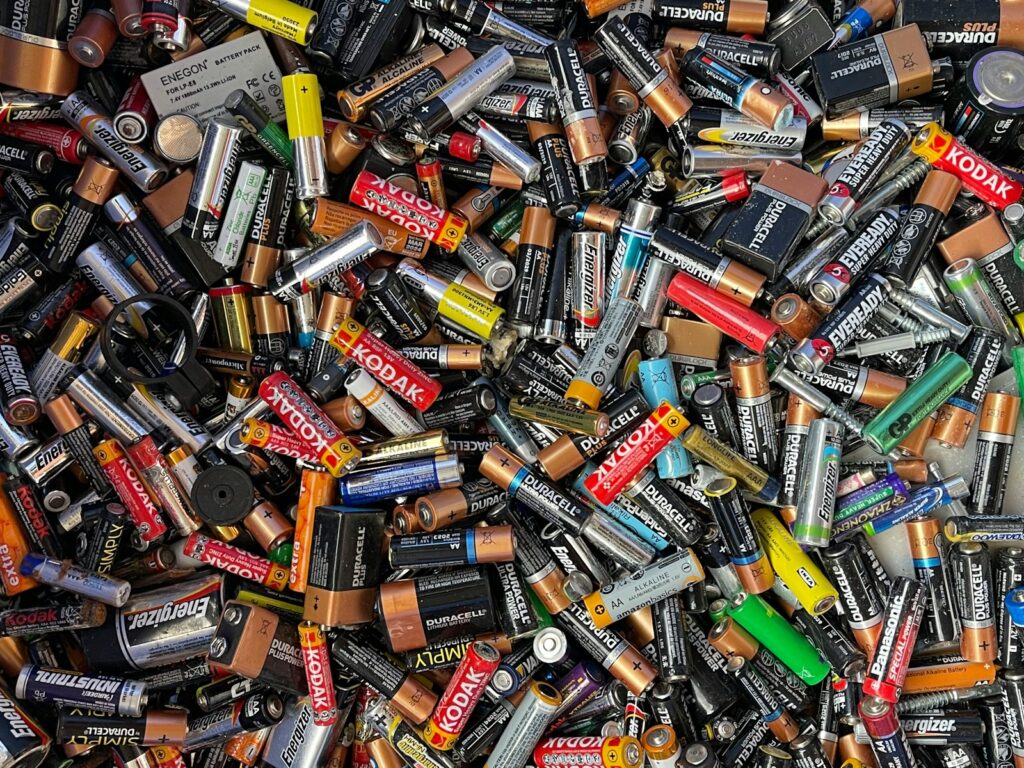
A junk drawer battery stash is rarely sorted by whether the batteries actually work, which means you’re often grabbing a handful and testing them one by one in frustration. Test everything at once, recycle the dead ones properly at a hardware store or battery drop-off point, and keep only a working supply going forward.
Twist Ties, Rubber Bands, and Loose String
These small items multiply fast and rarely get used in any meaningful quantity. Keep a small handful of each in a designated spot, and let go of the excess that’s just adding bulk and tangle to the drawer.
Random Keys You Can’t Identify
A loose key with no idea what it opens is more clutter than convenience. If you can’t identify it after some thought, it’s probably safe to let it go — an unidentified key is rarely worth the drawer space it takes up indefinitely.
Old Restaurant Menus and Takeout Flyers
With most restaurants easily searchable online, paper menus tucked in a junk drawer serve little purpose anymore. Recycle what’s there and rely on apps or a quick search the next time you’re ordering takeout.
Broken Rubber Bands or Hair Ties
Snapped hair ties and brittle rubber bands that have lost their stretch aren’t doing anything useful anymore. A quick test of each one — does it still stretch and hold? — will clear out the ones that are just dead weight.
Pens That No Longer Write
It’s remarkably common for a junk drawer to hold more dead pens than working ones. Do a quick test-write on scratch paper, keep what works, and recycle the rest. A pen cup with a handful of reliable pens is far more useful than a drawer full of unknowns.
Miscellaneous Screws and Hardware With No Known Match
Loose screws, nuts, and small hardware pieces without an obvious matching project tend to sit in junk drawers indefinitely just in case. Unless you know exactly what they belong to, consider a small labeled hardware organizer for the pieces you’re actually likely to need, and let the truly unidentifiable ones go.