


Sometimes, the things we’ve had tucked away for years could turn out to be hidden treasures. I’ve come across plenty of vintage items in my own home and those of friends that could be worth way more than anyone expected. If you have old toys, collectibles, or other vintage stuff, it might be worth a small fortune, especially if it’s in good condition. I’m always amazed by how everyday items from the past have become highly sought after by collectors. From vintage Barbies and action figures to rare comics and baseball cards, these objects often hold more value than just memories. You don’t have to be a serious collector to benefit—sometimes all it takes is a little curiosity and a closer look at what you already own.
As I dug deeper, I found there are specific vintage things that regularly fetch high prices today. If you’re curious about whether you’re storing something valuable, stick around. I’ll share 7 interesting vintage items that could turn into unexpected treasures for you.

Spotlight on 7 Vintage Things Worth a Fortune
Sometimes, the things gathering dust in a corner of your home could be more valuable than you think. From books to electronics, each item has its own story and a market of eager collectors. Paying attention to their condition and rarity is the key to spotting genuine treasures.
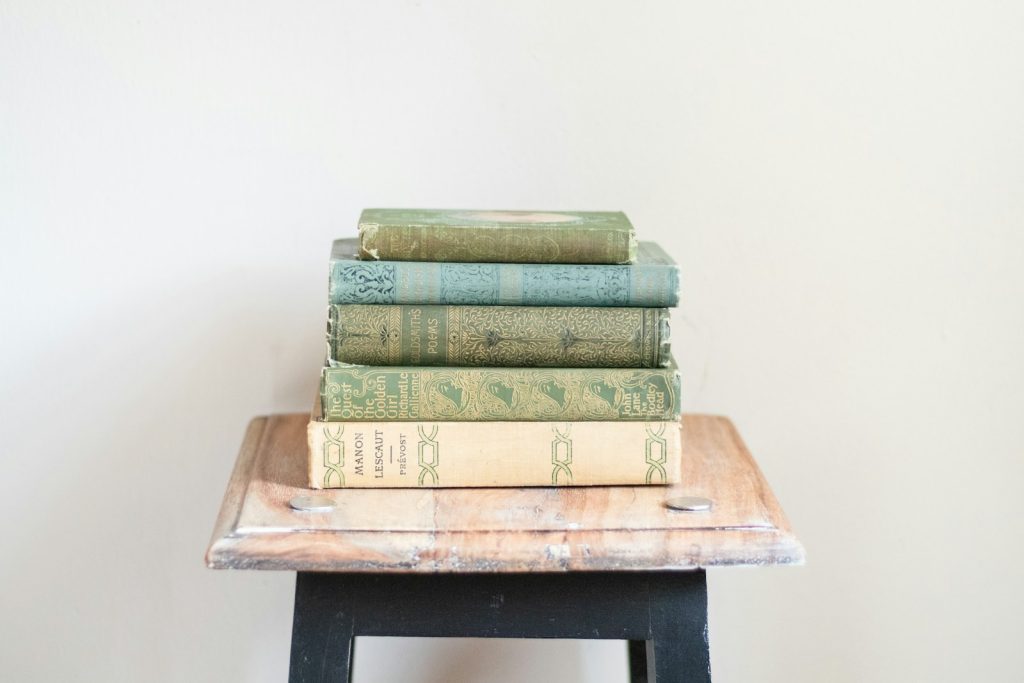
First Edition Books and Literary Treasures
First edition books by famous authors, like Ernest Hemingway or The Great Gatsby by F. Scott Fitzgerald, can fetch serious money. Condition matters—books with intact dust jackets and minimal wear are especially prized.
Look out for signed copies or limited print runs. Rare literary works from the early 20th century often attract collectors. Even well-preserved vintage magazines featuring classic stories or illustrations can be surprisingly valuable. If your bookshelf hides any of these, it might be time to research or get them appraised.
Vinyl Records That Could Hit the Jackpot
Vinyl records have made a strong comeback, and rare pressings can be quite valuable. First pressings of iconic artists or small-run editions from the ‘60s and ‘70s are highly sought after. Condition matters here—a mint or near-mint record, along with its original sleeve, can multiply its value.
Look for limited-edition colored vinyl or records with unique covers. Certain genres like psychedelic rock or early jazz are especially popular among collectors. If you have albums tucked away from legendary bands, it could be worth checking their market value.
Rare Artwork and Hidden Masterpieces
Vintage artwork isn’t just for galleries. Pieces by lesser-known or regional artists can grow in value, especially if they capture a moment in history or display unique craftsmanship. Look for signed paintings, original prints, or limited-edition lithographs.
Sometimes family heirlooms like antique frames or folk art hold hidden value. When assessing, provenance and condition are crucial. Even vintage posters or advertising art, if original and well-preserved, can surprise you with their worth.
Collectible Vintage Cookware
Old cookware like Pyrex bowls or cast iron skillets are treasured for both their utility and collectibility. Pyrex sets from the mid-20th century, especially rare color combinations or patterns, often command good prices when complete and undamaged.
Cast iron skillets with original makers’ marks and minimal rust also attract collectors. Vintage cookie jars, antique lunch boxes, and even old-fashioned kitchen tools that are still intact can be worth a look. These items represent both nostalgia and craftsmanship.
Vintage Jewelry and Sterling Silver
Vintage jewelry pieces—think Tiffany designs or sterling silver items—can be surprisingly valuable. Condition and maker’s marks are key, but so is style. Art Deco or mid-century modern pieces are currently popular.
Don’t overlook silverware sets or serving pieces; sterling silver trays and flatware can attract bidders. Antique perfume bottles and sterling trinkets add to the mix. If you inherited jewelry that hasn’t been worn in decades, it might be worth evaluating.
Retro Electronics and Video Games
Retro electronics like rotary phones, vintage cameras, typewriters, and early video game consoles are highly collectible. Original packaging boosts value, but working condition matters too.
Classic systems like Nintendo, Sega, or PlayStation with rare games still sealed or in excellent condition can command thousands. Even old gaming cartridges like Chrono Trigger or The Legend of Zelda can surprise collectors. Don’t forget vintage t-shirts or memorabilia tied to these electronics—they often add to the appeal.
Antique Toys, Dolls, and Memorabilia
Classic toys like antique dolls, baseball cards, and vintage lunch boxes have strong collector markets. Condition is everything—mint toys in their original boxes can multiply in value.
Other items like Crayola crayons, Christmas ornaments, vintage postcards, ticket stubs, and vintage handbags also draw interest. Cookie jars, especially rare or themed ones, are another collectible niche. If you have items linked to popular culture or historical periods, they’re worth a closer look.
How to Evaluate and Maximize the Value of Your Vintage Finds
Knowing what exactly makes a vintage item valuable helps me focus on the details that matter most. Understanding authenticity, condition, brand reputation, and proper documentation turns my vintage treasures into worthwhile investments.
Recognizing Authenticity and Rarity
Authenticity is a key factor when I assess vintage items. For something like a Tiffany sterling silver piece, I look for hallmarks or stamps that verify its origin and purity. These marks often confirm whether the item is genuine or a reproduction.
Rarity also plays a huge role. Limited releases or first edition items, like a rare typewriter model or a first edition copy of The Great Gatsby, generally command higher prices. I check online marketplaces and auction houses to see how often similar items appear and at what prices.
Using tools like reverse image search helps me spot authentic items and avoid fakes. When I find something rare, I know I’m holding a potential fortune.
Condition, Original Packaging, and Provenance
Condition can make or break the value of vintage finds. I carefully inspect for cracks, repairs, or wear that seem inconsistent with age. For example, a scratched sterling silver item or a typewriter with missing keys usually lowers its value.
Having original packaging boosts value significantly. Something like a vintage collectible with intact Great Gatsby artwork or Tiffany box feels more complete and well-preserved. Even tags or inserts can add value.
Provenance is the history behind the item. If I can trace ownership back to a notable collector or original purchaser, this background enhances desirability. I often research provenance using online databases or by consulting auction house records.
Checking for Popular Brands and Artists
Certain brands and artists inherently increase an item’s worth. Tiffany silver, well-known designers, or highly sought-after typewriters often attract collectors. I actively verify brands because a recognized name can multiply value many times.
To check these, I browse auction houses like Sotheby’s or Christie’s for sale histories. Items linked to specific artists or manufacturers with strong reputations command premium pricing. For example, a vintage Tiffany item tends to have lasting demand.
I also keep an eye on current market trends in online marketplaces to know which brands are hot. This helps me price my finds fairly and catch timing for sales.
The Importance of Documentation
Documentation is a powerful tool to establish value. It includes receipts, service records, certificates of authenticity, or even original manuals. For items such as typewriters or Tiffany silver, having this paperwork proves legitimacy and care.
I keep all relevant documents in one place and often photograph them for safekeeping. When selling, I provide these to buyers or appraisers to support my asking price.
Documentation also aids in insurance claims or estate sales where proof of value matters. It adds trust and transparency, making my vintage items more attractive to serious collectors.
For more insights on valuing vintage items, visit 7 Collectibles You Might Own That Are Worth a Fortune.
Where and How to Sell Your Treasured Collectibles
Selling vintage collectibles means finding the right venue that connects you with serious buyers and protects your interests. Whether you choose to sell online, work with experts, or package your items yourself, each approach has specific steps and considerations.
Online Marketplaces and Auction Houses
I find online marketplaces like eBay and Etsy great for reaching collectors worldwide. eBay’s auction format can drive prices up, especially for rare items, but be mindful of fees like a 13.25% final value charge. Etsy works well for vintage items 20+ years old, offering a lower fee structure and a community focused on nostalgia.
For larger collections, platforms like DIYAuctions provide auction services with a capped 10% commission, making them ideal when downsizing or liquidating estates. Auction houses offer expertise and may get you a higher price, but they often charge steep commissions and may require physical consignment.
Working With Appraisers and Consignment Shops
If I’m unsure about an item’s value, I turn to professional appraisers. They give an accurate estimate, which helps set a fair price or decide if consigning is the best option. Consignment shops handle selling for you and attract local collectors but typically take 20-50% of the sale price.
Before consigning, I research the shop’s reputation and ensure they specialize in the type of collectibles I have. Having paperwork proving authenticity or provenance can also increase buyers’ confidence and sale value.
Tips for Safe Selling and Shipping
Protecting my collectibles during sale and shipment is crucial. I always document each item’s condition with detailed photos and written descriptions upfront to avoid disputes.
When shipping, I use sturdy packaging, bubble wrap, and insurance for valuable pieces. Choosing carriers with tracking and signature confirmation adds extra security. For local sales, meeting in safe, public places is best. Staying organized and honest throughout the process saves headaches and helps build a positive seller reputation.
For more on choosing platforms and selling tips, see best place to sell collectibles in 2025.