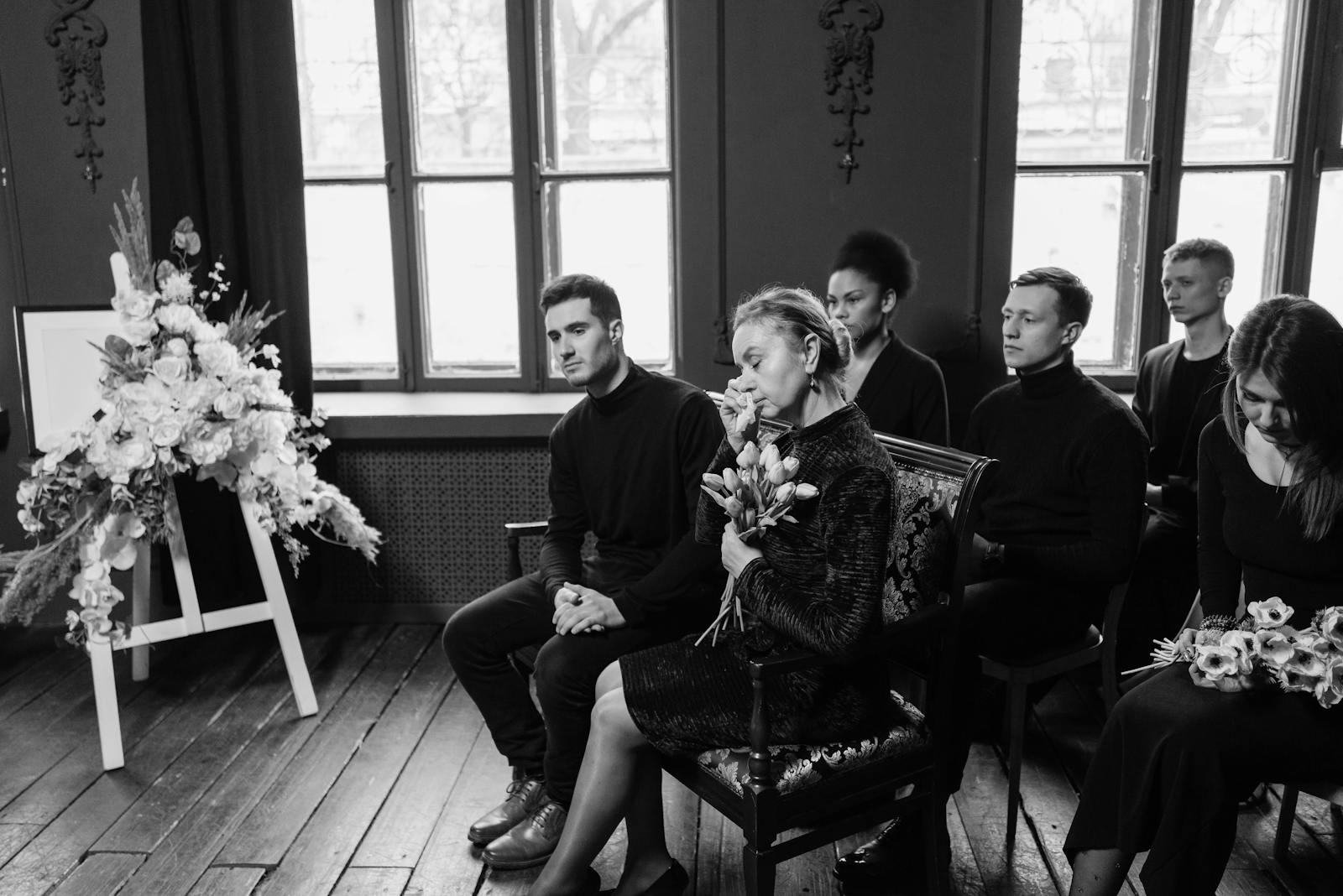
At her mother’s funeral, one woman awkwardly sat through a stream of strangers sharing heartfelt anecdotes about her mom’s kindness and strength. The situation felt surreal and unsettling, especially given the complicated emotions that had been brewing for years. As these voiced memories painted a picture of a loving parent, the reality of her mother’s actions cast a long shadow over the proceedings.
For the daughter, the new information began to emerge just days after the funeral. A simple Google search revealed that her mother’s diagnosis had a life expectancy of only five to seven years. Strangely, the daughter realized they had been living far beyond that timeframe, sparking immediate feelings of betrayal and confusion. The additional frustration came when attempts to gain clarity about her mother’s health were met with roadblocks; medical professionals only listed her siblings and mother’s boyfriend as authorized contacts, leaving her on the sidelines.

Many people might assume that someone dealing with end-of-life issues would involve their family openly, but that was not the case here. For years, this mother had either concealed or misrepresented the severity of her illness, leaving her daughter feeling blindsided. In the wake of such revelations, the daughter began to wrestle with a host of emotions. Could things have been different if she had been fully informed? Would she have made different choices regarding her boundaries with her mom, especially knowing the looming gravity of mortality?
Reflecting on the funeral, the woman didn’t know how to process the dichotomy of public praise versus personal reality. The speeches painted her mother in a glow of light, while the daughter was left with shadows of doubt about their past conversations. The contrast was jarring; others saw a nurturing figure while she felt a mixture of resentment and concern. How could a person be both cherished and yet so deeply misunderstood?
People had very different reactions to this startling situation. Some felt strong empathy for the daughter, recognizing the unique pain that arises from family dynamics, especially involving a parent with a history of mental health issues. They pointed out that navigating a relationship with a parent who might have borderline personality disorder (BPD) can complicate perceptions and expectations. For others, the mother’s denial or manipulation didn’t entirely excuse her actions. They suggested it was hard to justify the mother’s choice to hide the truth, especially since she was leaving behind a daughter and grandchildren who deserved honesty.
The fallout from this revelation is not just about the past; it lingers in how the daughter will explain her mother’s death to her own kids. Not only is she left grappling with feelings of betrayal, but now she must also determine how to frame this complex legacy for the next generation. Some commenters reminded her that it’s okay to feel angry about the lies while also recognizing the loving moments they shared. This blend of emotions is common in families where mental health issues can distort realities.
As the daughter continues to process these events, questions linger. How does one move forward after learning such uncomfortable truths about a loved one? What does it mean to grieve someone when their reality was cloaked in deception? The answers may remain as murky as the years of misunderstandings that preceded this painful moment.
More from Decluttering Mom: