Homes sold in March fetched a median 10.7% above their estimated market value, while homes sold in October averaged just 7.9% — a gap of nearly three full percentage points that shows up consistently across more than 52 million single-family home and condo sales analyzed by ATTOM Data Solutions going back to 2015. September performed almost identically to October, at an 8.0% premium, and November crept back up slightly to 8.3%. Put plainly: the six or so weeks surrounding Halloween sit near the bottom of the seasonal pricing curve, not somewhere in the middle, and sellers who assume fall is a fine time to list because “the market doesn’t really change that much” are working from a guess the data doesn’t support.
Why Spring Still Wins, Even in a Slower Housing Market
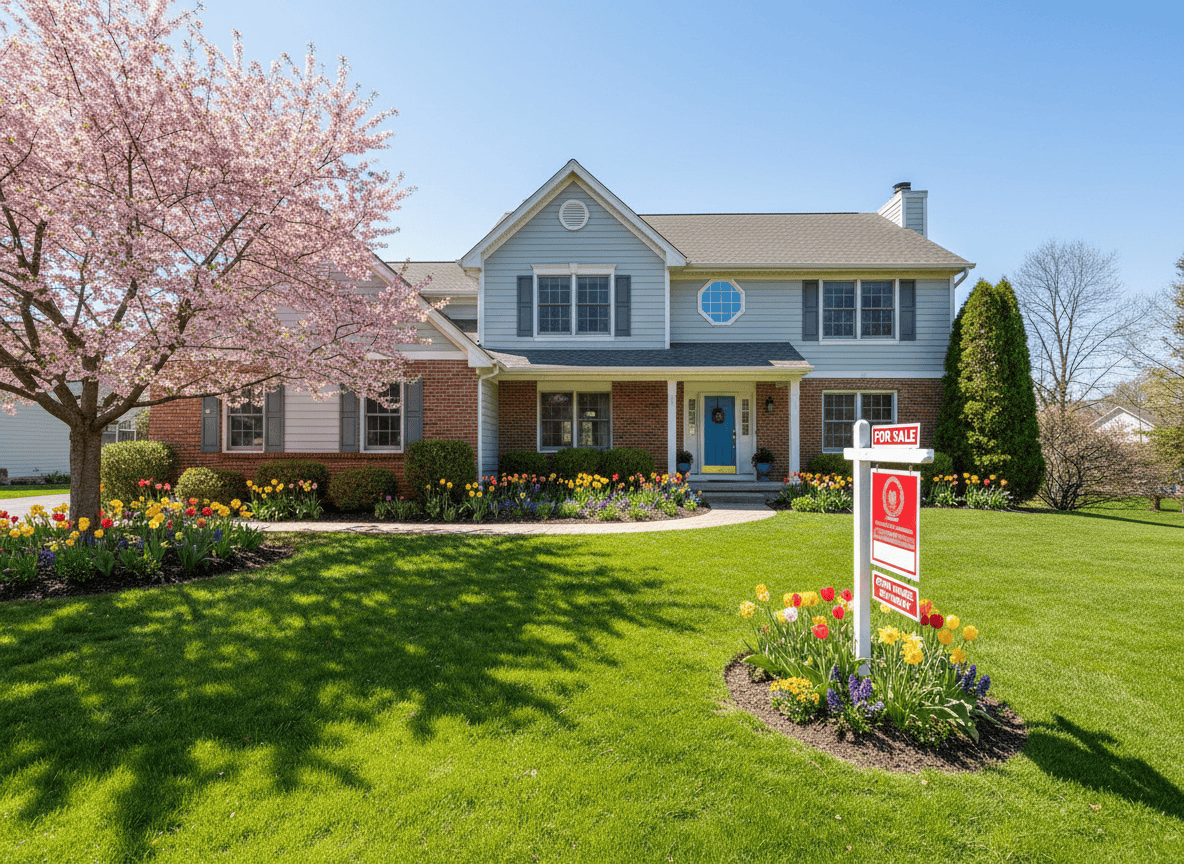
ATTOM’s premium figures compare actual sale prices against automated valuation model estimates for the same properties, which strips out the effect of home values simply rising over time and isolates timing itself as the variable. By that measure, March, April, and May are the three strongest months to close a sale, with March at the top. Zillow’s own research points to a similar window, finding that homes listed in the final two weeks of May sold for about 1.7% more than average — roughly $6,000 on a typical $360,500 home — because listings then have time to gather momentum before peak buyer traffic in June and July. Spring buyers are shopping in larger numbers, often working against school-year deadlines, and that competition is what pushes final sale prices upward relative to a home’s underlying value.
What Actually Happens to a Listing in Late October
Fall listings don’t disappear from the market; they just draw a different kind of buyer. Zillow’s research describes autumn buyers as motivated — frequently relocating for a new job or a life change with a firm deadline — but also more price-sensitive, since they’re shopping with less competition and more leverage to negotiate. Fewer buyers touring a home means fewer offers arriving at once, and fewer competing offers is precisely the mechanism that erodes a final sale price relative to spring, where multiple-offer situations are common enough to push prices above asking.
Shorter days play a practical role too. Listing photos and evening showings both suffer once daylight saving time ends in early November, and a home that photographed beautifully in June’s evening light can look markedly less inviting shot in overcast late-October afternoon glare. None of that shows up as a line item in ATTOM’s pricing data, but it’s consistent with why the numbers land where they do.

Where Sellers Get the Timing Backward
The mistake isn’t listing in fall — plenty of legitimate reasons force a sale outside of spring, from job relocations to life changes that can’t wait six months. The mistake is sellers who have flexibility choosing to list in September or October specifically because they believe the “back to school is over, market picks back up” narrative applies to pricing the way it applies to overall sales volume. Sales volume and sale price are different measurements, and ATTOM’s data shows the volume can be perfectly healthy in fall while the premium a seller captures is still meaningfully lower than what the same home would have brought in April.
What a Fall Seller Can Still Control
- Price closer to fair market value from the first day rather than testing a spring-level number — overpricing into a smaller fall buyer pool tends to produce longer days on market, which erodes price further.
- Schedule listing photos for morning or early-afternoon light, since shorter days compress the golden-hour window that flatters a home’s exterior.
- Lean into the buyers actually shopping in fall — relocation-driven purchasers often value a fast, clean closing over cosmetic staging, so highlighting move-in readiness can matter more than curb appeal alone.
- If the sale isn’t urgent, weigh whether carrying the home through winter to list in March is financially worth the roughly 2.5 to 3 percentage point premium the data shows spring sellers capture.
Real estate advice built around folklore — “never list during the holidays,” “spring is just tradition” — tends to survive because it’s rarely checked against actual closed-sale data. ATTOM’s numbers put a real figure on what had been a hunch: the six weeks around Halloween are a measurably weaker window to sell than spring, and sellers with any flexibility in their timeline are leaving money on the table by defaulting into it.