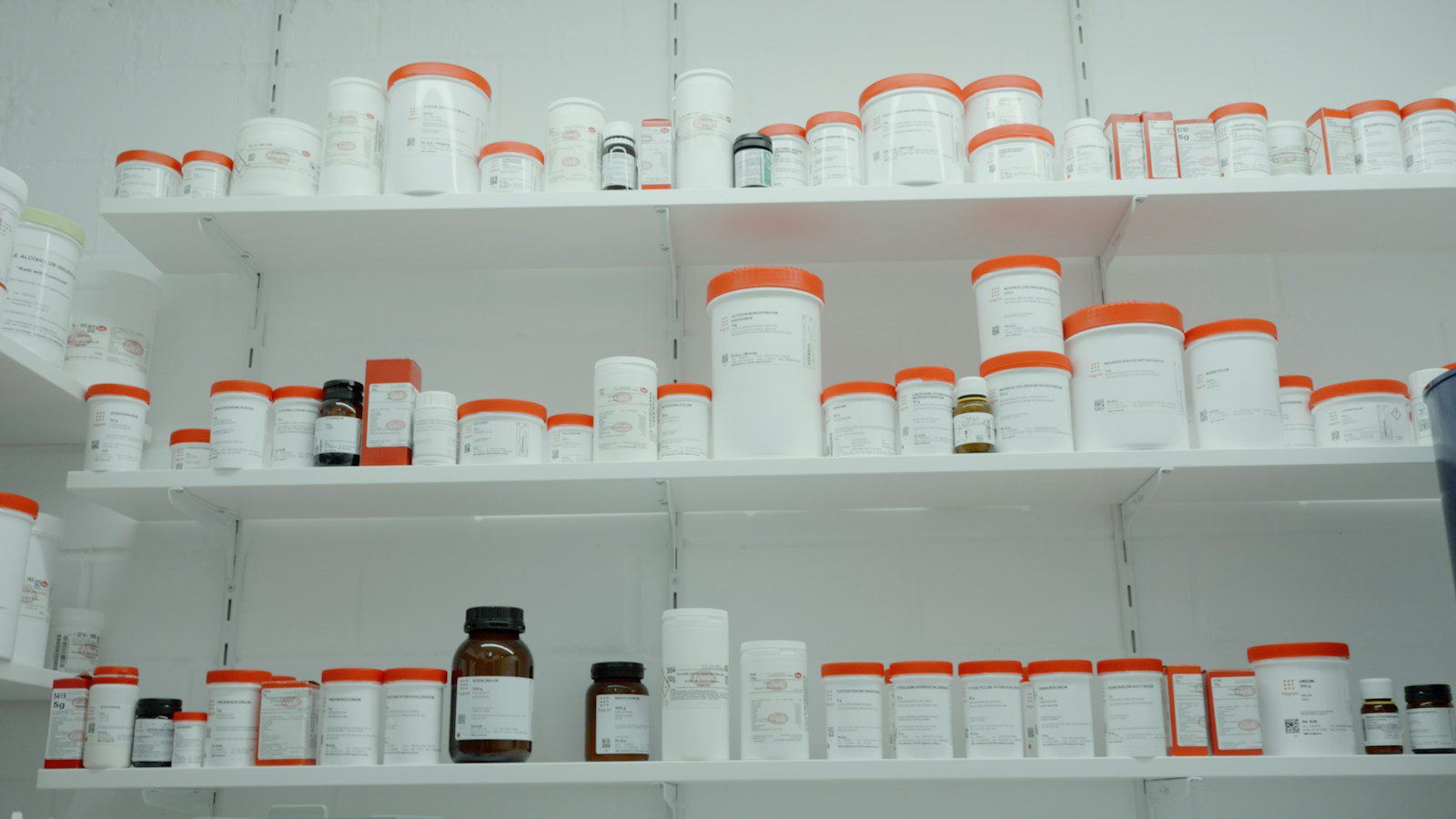
Medicine cabinets are one of those spaces people avoid sorting through because it feels like it requires more decision-making than it’s worth. But an overstuffed, disorganized medicine cabinet isn’t just cluttered — in an actual moment of need, it can genuinely slow you down when you’re digging for the right thing.
Here are seven things worth clearing out so your cabinet stays useful instead of just full.
Expired Over-the-Counter Medications
The FDA advises against using expired medications, noting that a drug’s effectiveness can decrease over time and, in some cases, its chemical makeup can change. Go through your pain relievers, allergy medications, and cold remedies, and check the printed expiration dates. If something is expired, don’t just toss it in the trash or flush it — many pharmacies offer take-back programs designed for safe medication disposal.
Prescription Bottles From Old Treatments
Leftover prescriptions from a past illness or injury shouldn’t be kept around indefinitely, both because they can lose potency and because taking old prescription medication without current medical guidance isn’t advisable. Use a local pharmacy take-back program or drug disposal kiosk, many of which are specifically designed for controlled substances and prescription medications, rather than storing them long-term.
Nearly Empty Tubes of Ointment
Antibiotic ointment, hydrocortisone cream, and similar tubes squeezed down to nothing but still sitting on the shelf take up more room than they’re worth. If you can’t get meaningful product out anymore, it’s time to toss the tube and add a fresh one to your next shopping list instead of holding onto an empty placeholder.
Thermometers That No Longer Work
A thermometer that gives inconsistent readings or simply won’t turn on isn’t something you want to discover during an actual fever check. Test yours periodically, and if it’s unreliable, replace it. This is a small item but an important one to have functioning when you actually need it.
Old Bandages and First Aid Supplies
Adhesive bandages can lose their stickiness over time, and gauze or medical tape that’s been sitting for years may not perform as well as fresh supplies. Do a quick check of your first aid stash, replace anything that’s lost its adhesive quality, and consider consolidating scattered supplies into one clearly labeled kit.
Cough and Cold Medicine From Last Season
Seasonal illnesses mean seasonal medicine purchases, and it’s common to end up with partially used bottles of cough syrup or cold medicine from a previous year. Check the expiration date, and if it’s passed, dispose of it properly rather than reaching for it the next time someone gets sick.
Duplicate or Unnecessary Vitamins
Multiple bottles of the same supplement, or vitamins bought for a specific goal that never quite stuck, can quietly stack up in a medicine cabinet. Consolidate duplicates, and be honest about which supplements you’re actually taking consistently versus which ones are just sitting there as a reminder of a resolution that didn’t last.