


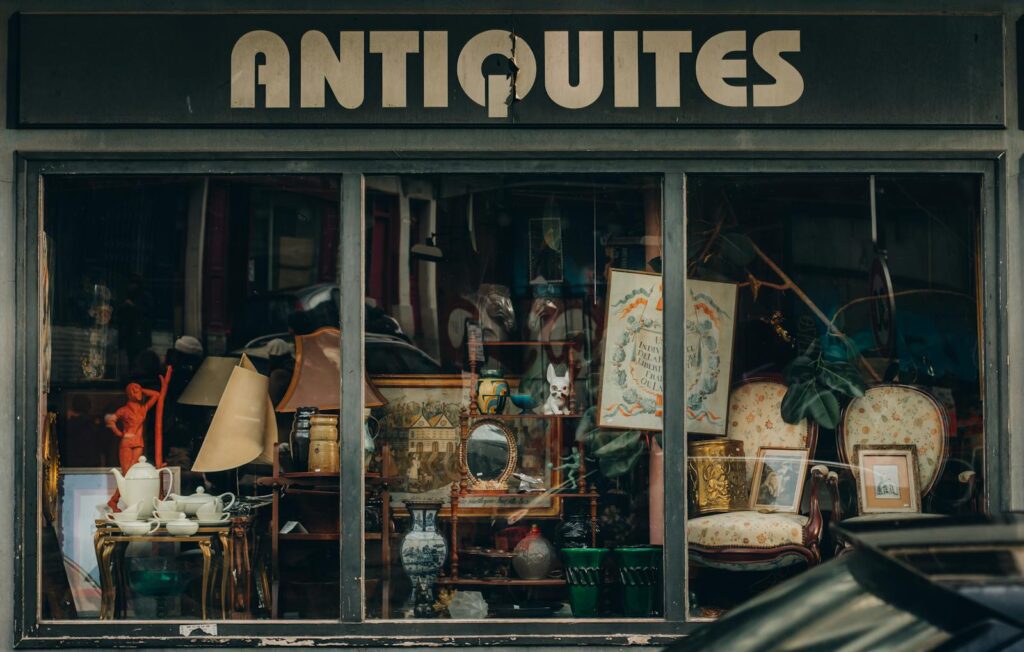
You can spot thrift-store glassware that’s worth more than the price tag by learning a few visual cues and brand names that signal authenticity and craftsmanship. Learning those cues helps you move from aimless browsing to confident picks that may surprise you at resale or on your shelf.
This article walks you through practical, easy-to-apply ways to evaluate glass pieces—everything from maker’s marks and subtle imperfections to unusual shapes, colors, and vintage stemware—so you know what to keep and what to skip.
Look for maker’s marks like René Lalique or Fostoria for authentic vintage glassware

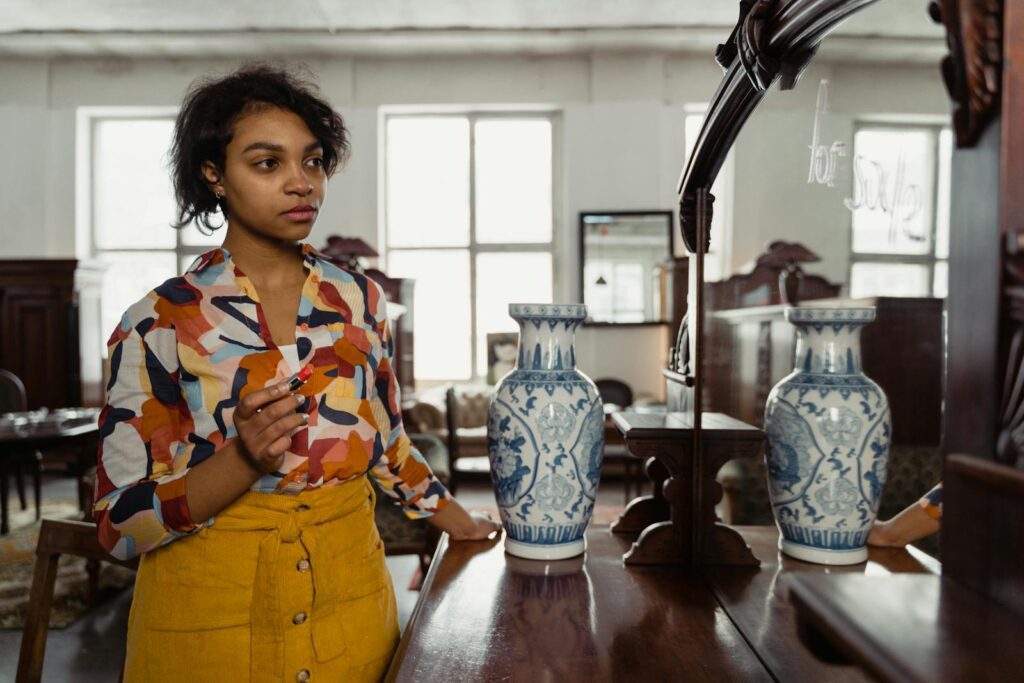
Check the base, rim, and underside for etched or impressed signatures; genuine pieces often carry a clear maker’s mark.
An “R. Lalique” mark usually indicates pre-1945 René Lalique glass — that can raise value if condition is good.
Fostoria used impressed and paper labels; finding those helps date mass-produced American glass.
Compare marks to trusted references before buying and watch for inconsistent fonts or sloppy engraving that suggest reproductions.
Check for slight imperfections or air bubbles, which can indicate hand-blown pieces
Hold the piece up to light and scan for tiny bubbles or irregularities trapped in the glass.
Those small flaws often mean the item was hand-blown rather than machine-made.
Run your fingers along the rim and base to feel for subtle tool marks or uneven thickness.
Don’t assume every bubble equals value, but visible imperfections can signal artisan work and uniqueness.
Look for slight asymmetry in shape; handmade pieces rarely match factory precision.
Spot uranium glass by its eerie glow under UV light to identify rare collectibles
Bring a small UV or blacklight to the thrift store; it instantly reveals uranium glass by a bright lime-green fluorescence.
In normal light the pieces may look yellow-green or ordinary; under UV they glow unmistakably.
Check cups, bowls, and decorative items—manufacturers used uranium from the 1830s to mid-20th century.
If it glows, note maker marks and condition; glowing glass can be collectible and worth researching further.
For a quick guide on identification, see a collector’s beginner’s guide to uranium glass.
Know brands that went out of business, such as Fostoria, to find valuable discontinued glassware
Learn a few defunct names and you’ll spot potential treasures faster. Fostoria made many collectible patterns, so finding its stemware or plates can be worthwhile; read more about Fostoria’s history and patterns in this guide.
Check maker marks, pattern details, and weight; older crystal often feels heavier and clearer. Trust condition and rarity over flashy claims—damaged pieces lose value quickly.
Inspect for intricate dovetailing or etched patterns that show craftsmanship
Run your fingers lightly over the surface to feel for fine etching or carved joins; craftsmanship often reveals itself in texture.
Look for consistent, crisp lines in etched designs and tight, precise dovetailing that indicate handwork rather than mass production.
Small imperfections—slight tool marks or tiny irregularities—can actually confirm age and skill, so don’t dismiss them.
If a piece has very sharp, uniform patterns with no depth, it’s more likely machine-made and less valuable.
Pay attention to unique shapes and colors that stand out from mass-produced items
Look for irregular silhouettes and unexpected curves — these often mean a piece was hand-shaped rather than machine-made.
Bold colors, unusual gradients, or subtle opalescence can signal older or specialty glass like carnival or jadite.
Compare pieces on the shelf; if one pitcher or vase has a shape or hue that no other item shares, it’s worth a closer look.
Handle carefully to check thickness and weight; handmade glass can feel different from thin, uniform mass-produced items.
Look for vintage stemware sets which often hold more value
Check for matching goblets, coupes, or flutes — complete sets usually attract collectors more than single pieces. You’ll notice consistent weight, profile, and glass color across a set if it’s original.
Inspect stems and bases for pontil marks, seams, or delicate cutting that signal handwork or older production. If a maker’s mark or pattern matches across pieces, your set could be worth more than mixed glassware.
Consider brands and styles popular with collectors; research any names you find online.
More from Decluttering Mom: