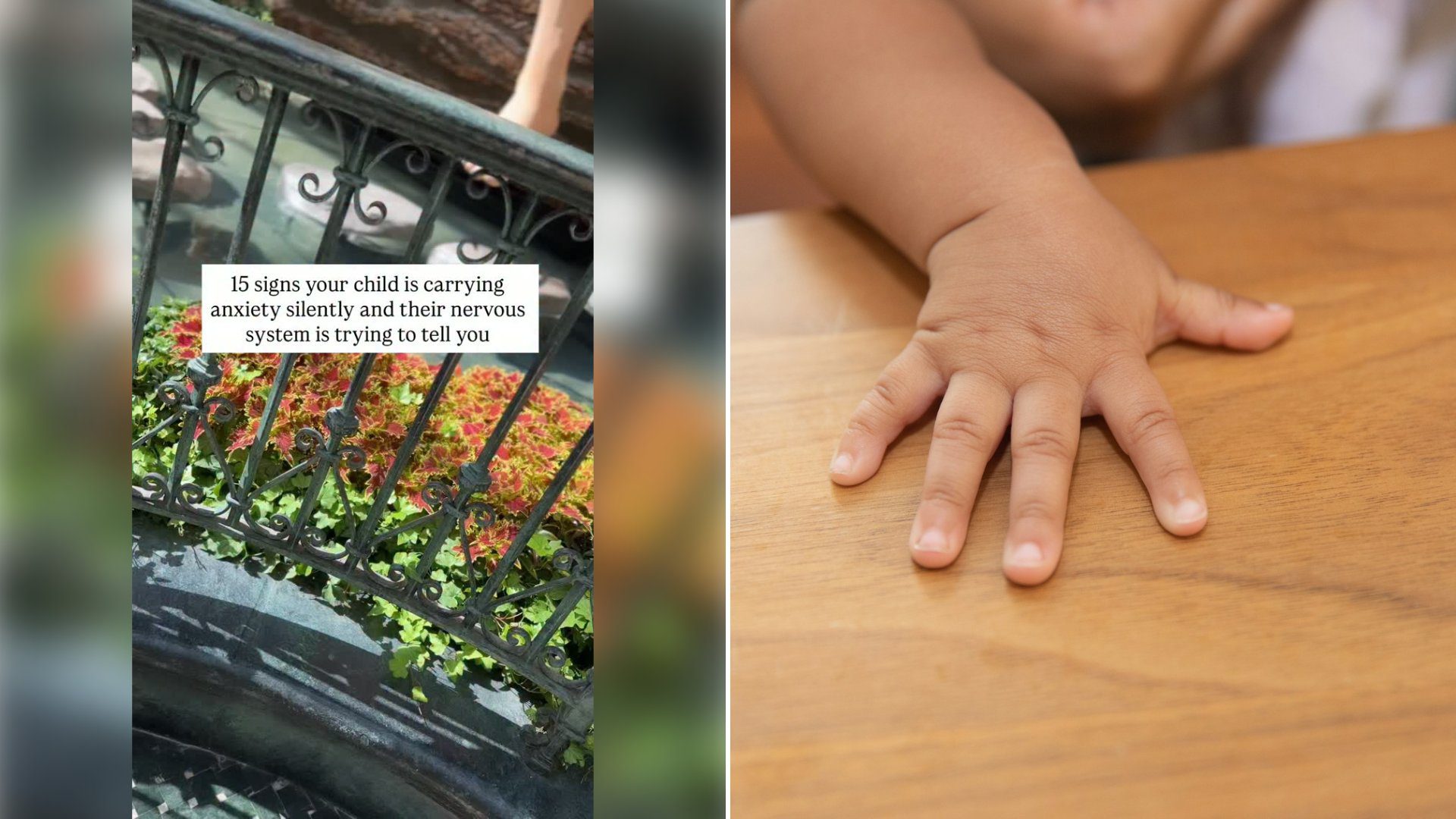
A video from the account itsdrsandra lays out a 15-point checklist of everyday behaviors that can signal childhood anxiety, overlaid on footage of a child playing. The list ranges from physical complaints, “they say their stomach hurts before school almost every morning,” “they complain of headaches or stomach aches that doctors say have no cause,” to emotional and behavioral patterns: repeated “what if” questions that reassurance never seems to fix, excitement about plans that collapses into last-minute refusal, difficulty falling asleep alone, and seeming fine at home but falling apart in new environments. “Their nervous system isn’t being difficult. It’s asking for help,” the caption reads. The post pulled in 2,358 likes, 1,127 comments, and 96 shares.
Several items on this list track closely with how the National Institute of Mental Health describes recognizing a mental health concern in a child rather than ordinary childhood moodiness. NIMH’s guidance is explicit that occasional worry, fearfulness, or trouble sitting still is a normal part of growing up, but it becomes worth a closer look when the behavior lasts for weeks, causes real distress, or starts interfering with school, home life, or friendships. For younger children specifically, NIMH names frequent fearfulness or worry, repeated tantrums, changes in sleep, and difficulty making friends as signs worth paying attention to, which overlaps directly with several points on the video’s list.
The physical symptoms named in the video, stomachaches and headaches with no identifiable medical cause, aren’t a coincidental detail either. NIMH specifically lists frequent, medically unexplained stomachaches or headaches as a sign that a child may benefit from a mental health evaluation, since anxiety in children often shows up in the body before it shows up in words a child can articulate. A pediatrician who has already ruled out a physical cause for recurring stomach pain is, in effect, well positioned to ask the next question about what else might be going on.
NIMH’s recommended first step for a parent who recognizes several of these patterns is straightforward: start with the child’s pediatrician or regular health care provider, and loop in adults who see the child often, like teachers, since they can offer a second vantage point on whether the behavior shows up outside the home too. From there, a pediatrician can refer the family to a mental health professional who specializes in working with children, rather than a parent having to guess at the right next step on their own.
The video’s framing that a child checking off “more than a few” of these signs is worth a closer look, rather than any single item in isolation, matches how clinical guidance generally treats checklists like this one: as a prompt to start a conversation with a professional, not a standalone diagnosis. A single bad week of clinginess or one refused plan isn’t cause for alarm; a pattern that persists and starts shrinking a child’s world is the signal NIMH says is worth bringing to a pediatrician.
More from Decluttering Mom
- Mom of Two Opens Her Three Car Garage on a Doom Pile of Boxes, Finds Diapers From a Subscription Still Running and a Sauna Boxed for a Year, Then Clears Enough to Park Inside
- Woman Who Does Free Cleans of Badly Cluttered Homes Says Cleaning Does Not Cure Depression and Asks Viewers to Swap How Could Someone Live Like This for What Might Have Happened
- Homeowner Whose Husband Said He Could Not See the Garage Floor Hauls Out Four Years of Stuff, Patches and Paints One Wall White, Then Hangs Bikes, Helmets and a Vacuum on Rails