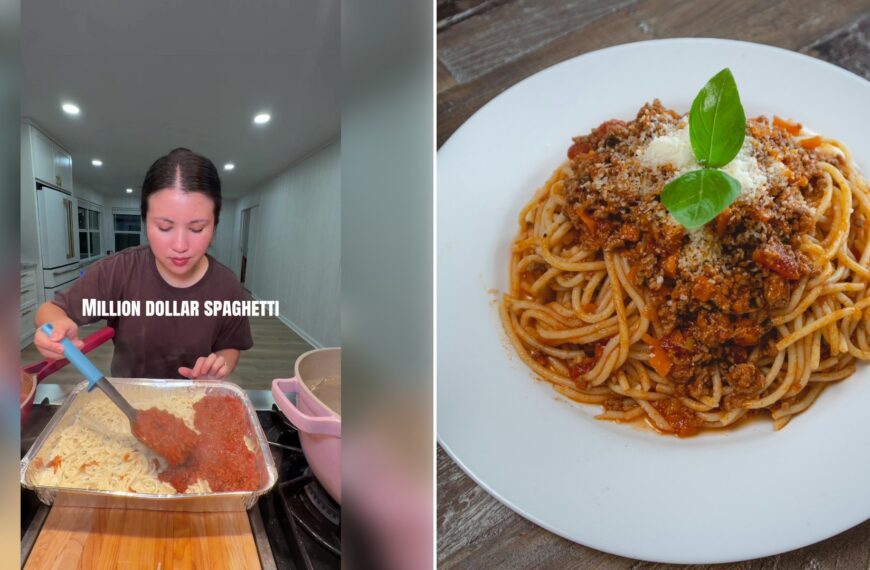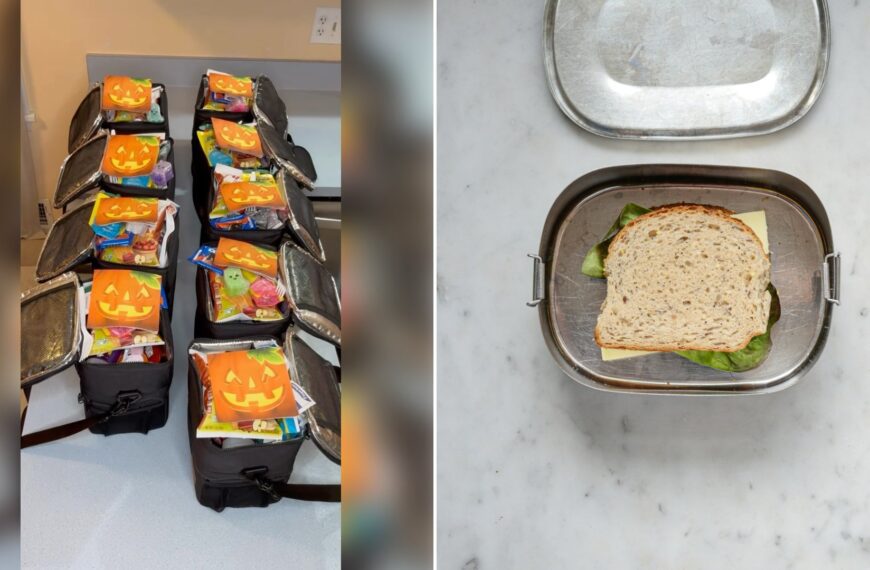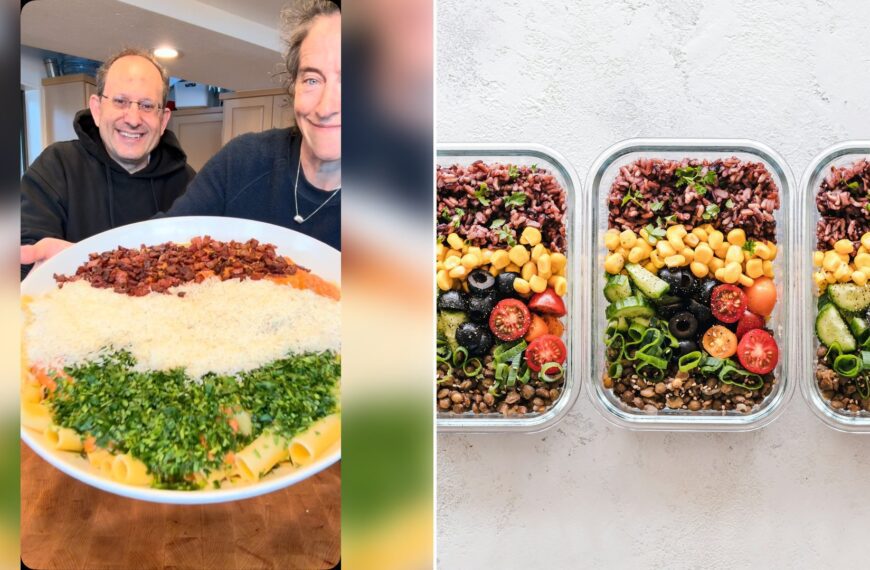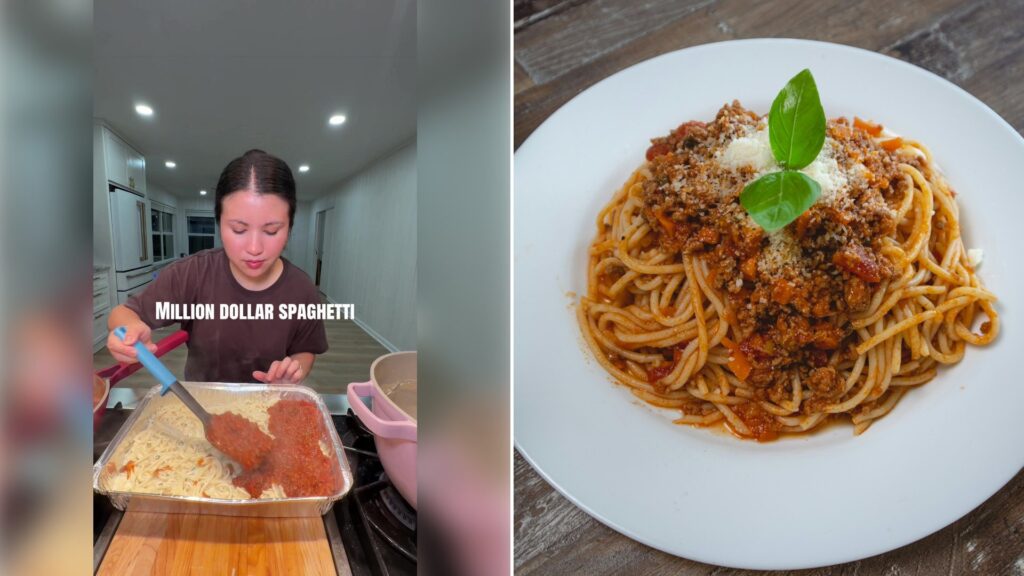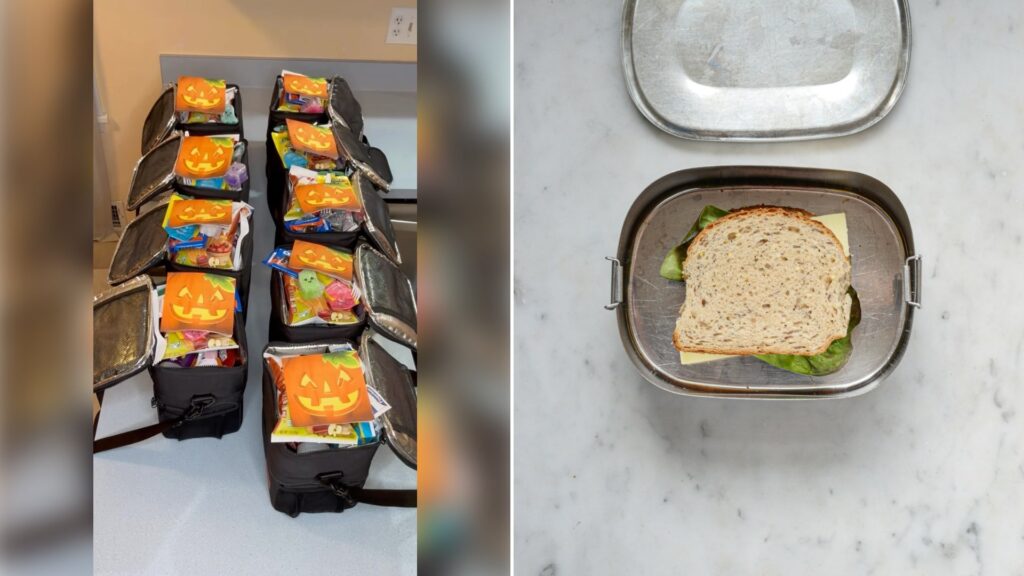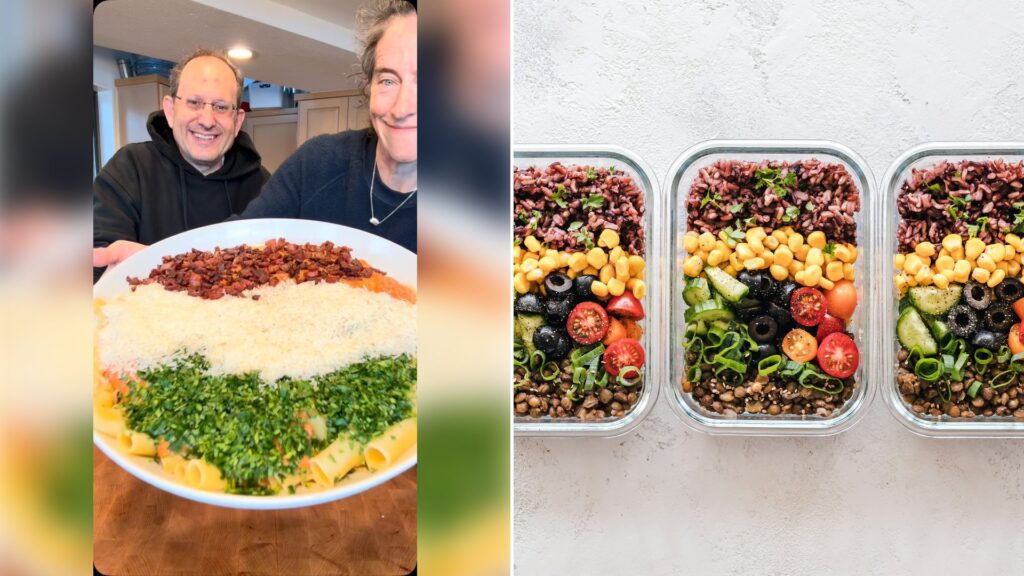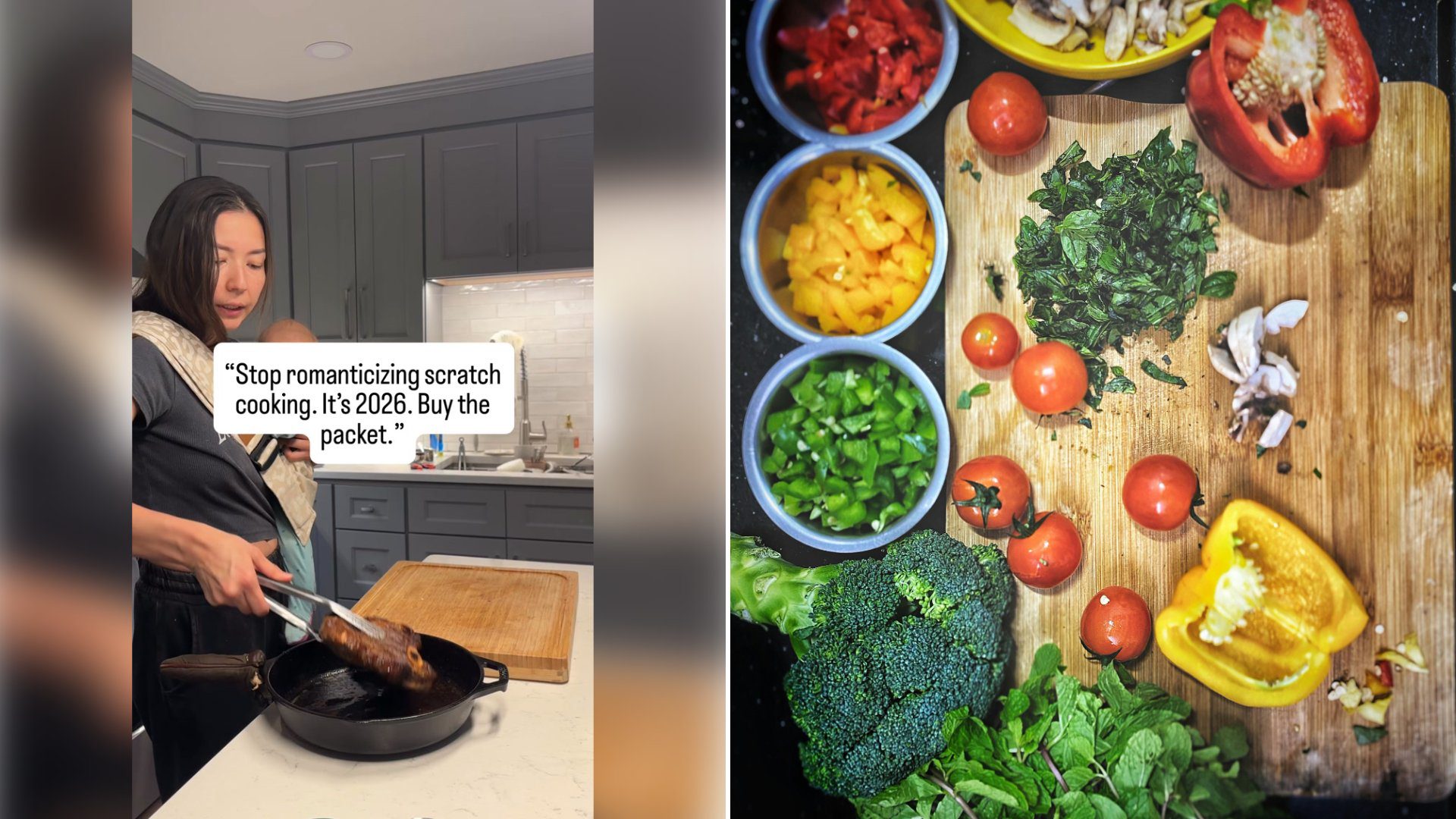
A video from the account littlehealthyplates opens with a direct challenge: “I don’t have more time than you, mama. I have a non-negotiable.” The creator’s caption makes her position unambiguous: “Someone in a boardroom designed that packet to hijack my child’s brain. Someone profits when she can’t focus, can’t sleep, and can’t regulate her own body before she’s even 10. So I chop. I soak. I stir. Not because I have extra hours. Because I refuse to outsource my children’s health to a company that does not love them. This isn’t romanticizing scratch cooking. This is rebellion.” Tagged #Littlehealthyplates, the post pulled in 19,700 likes, 513 comments, and 402 shares.
The push away from processed, packaged kids’ snacks this video argues for has gotten notably stronger backing from the official side in the most recent federal dietary guidance. The 2025-2030 Dietary Guidelines for Americans specifically call for reducing ultra-processed foods, defined to include highly processed, ready-to-eat products, items with artificial flavors or sweeteners, and sugar-sweetened beverages, citing their generally low nutrient density and their contribution to childhood obesity. These are exactly the category of “packet” foods the creator is describing cutting from her own kitchen.
The guidance on added sugar specifically has shifted even further than most parents may realize. Where the prior set of federal guidelines suggested limiting added sugar starting around age 2, the current guidelines recommend children consume essentially no added sugar until age 10. That’s a meaningfully stricter standard than most packaged “kid snack” products are formulated around, and nutrition experts commenting on the update have noted that food companies are likely to respond by reformulating products with substitutes like fruit syrup concentrate or non-nutritive sweeteners rather than removing sweetness altogether, which means reading labels carefully remains necessary even for snacks marketed as better-for-you.
The guidelines also support reducing highly processed and refined grains in favor of whole grains, and emphasize the fiber found in whole plant foods as something children specifically need more of, both points that map onto the “chop, soak, stir” approach described in this video. None of the current federal guidance makes the specific neurological claims in the caption about attention or sleep regulation, those causal links are the creator’s own framing rather than an official health claim, but the underlying direction, away from processed and sugar-heavy kids’ food and toward whole-food preparation, lines up closely with where the newest dietary guidance has moved.
More from Decluttering Mom
- Mom of Two Opens Her Three Car Garage on a Doom Pile of Boxes, Finds Diapers From a Subscription Still Running and a Sauna Boxed for a Year, Then Clears Enough to Park Inside
- Woman Says She Came Home From a Cleaning Service Visit to a Gas Burner Left On With No Flame, Then Found Her Purse, Tax Documents and Real Silverware in Two Garbage Bags Downstairs
- Homeowner Whose Husband Said He Could Not See the Garage Floor Hauls Out Four Years of Stuff, Patches and Paints One Wall White, Then Hangs Bikes, Helmets and a Vacuum on Rails