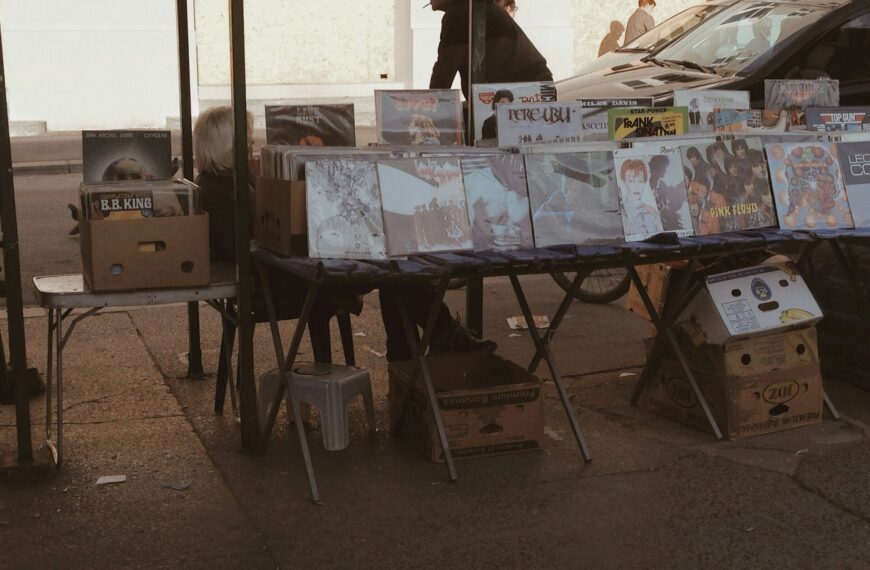
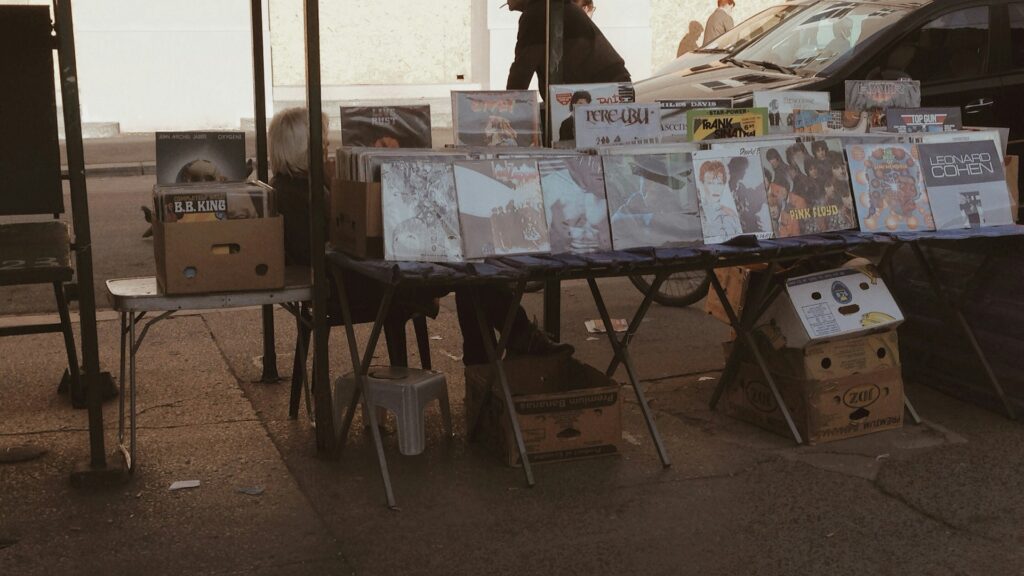
There is a certain kind of person who can walk through a dusty open air flea market and see dollar signs where the rest of us see clutter. The reseller duo behind the channel The Dumont Boys are clearly that type. Their weekday haul, titled with the line $281 Into $2,381 in Just 3 Days, is a fun look at how a couple of sharp eyes and a little homework can turn secondhand stuff into real money.
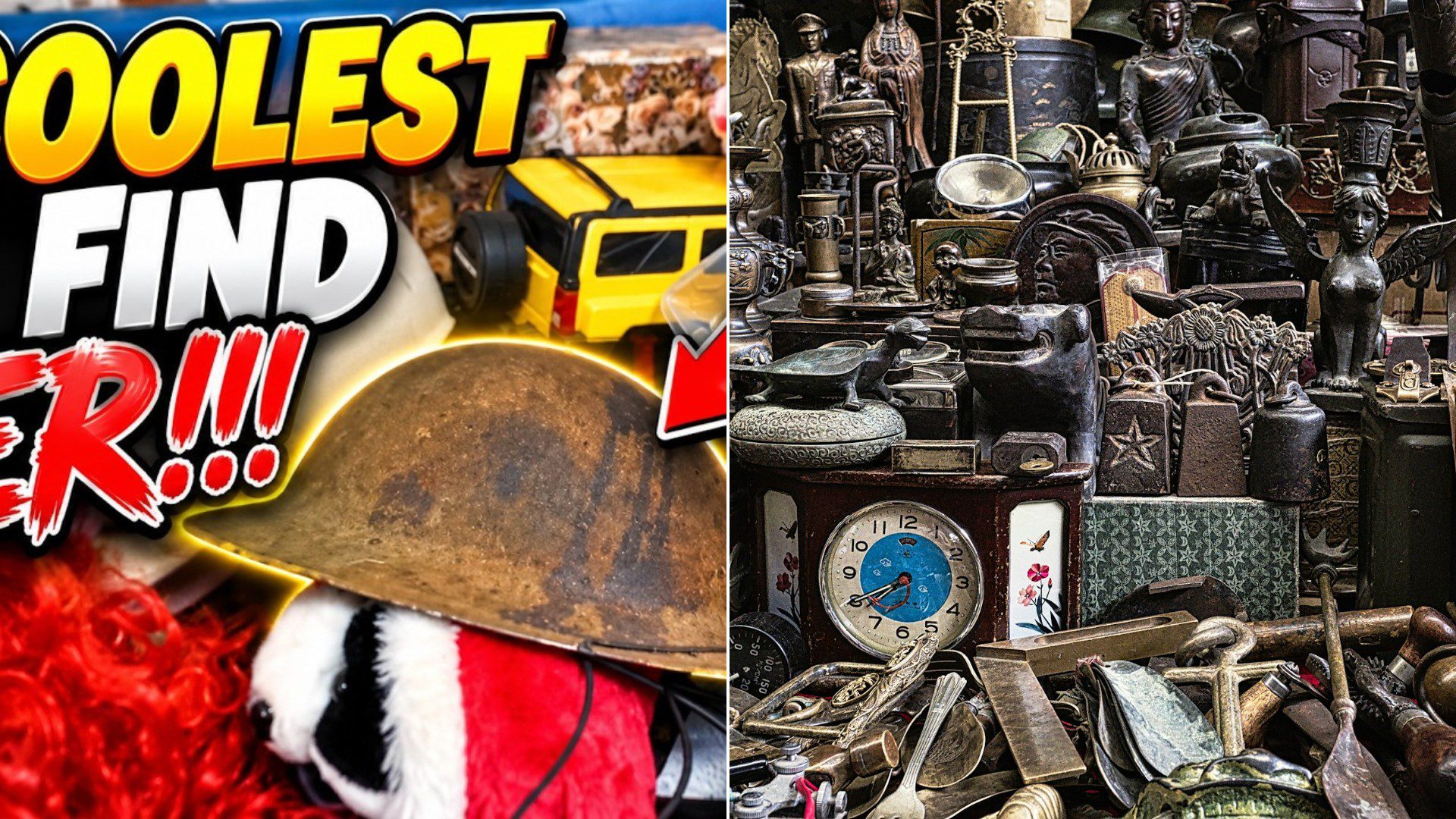
The setting was an open air flea market. No dogs are allowed there, they joke, but luckily the Dumont Boys are. They called it a rare weekday haul, and they set out to find treasure among what they described as infinite piles of riff raff.
The Media Bins
One stop that paid off was the media bins. They describe a bin chock full of the good stuff, and they started picking up video games left and right, doing it discreetly, or on the down low as they put it. Anyone who has ever tried to quietly grab a bargain while other shoppers are circling will understand the feeling.
Then came a vintage Coleman lantern. They say they spotted it within seconds, and that the same thing had happened the week before at the same spot, when they were turned down after offering $10. This time the seller said the vintage Coleman lantern was only $10, and the duo felt morally obligated to snap call it.
The Ten Dollar Signed Car
The star of the show was a diecast NASCAR car. They explain that diecast cars can be worth good money, but only when they have been signed with a felt pen or marker by a NASCAR driver. This one was signed by Kurt Busch, and it came with a certificate of authenticity. The seller wanted just $10 per car, but the duo wanted only this one. They did discover that one of the wheels was broken when they got it home, so they will not get top dollar. Even so, they still expect to make ten times their money.
That is a good lesson for anyone who has a shelf of collectibles at home. A signature and a certificate can make an ordinary item much more interesting to a buyer, and a small flaw like a broken wheel can bring the price down.
Winners, Losers And Lessons
Not everything in the haul was a home run, and the duo are honest about that. Here is a quick rundown of what they said.
- Apple Thunderbolt cables can sell for crazy money. They do not look like much, so they can be found cheap. They paid five for one, if they remember correctly.
- A JVC Super VHS player with a missing knob still sold for a very robust 170.
- A pile of McFarlane figures were, in their words, mostly worthless, much like starting lineup figures.
- A figure with a bad sell through rate was a pass.
- Vintage curlers and hot rollers can sell well sometimes, but one set was missing its metal paper holder and was not worth the trouble.
- One item they described as an easy 8 into 60.
- Some dusty 20 year old ink, which they sell in lots of nine. They say those lots sell in the $500 range.
They also tell a cautionary tale about a fat stack of PS1 games. When they see one, they get excited. But the excitement was short lived after checking comps, because the games were worth very little. Meanwhile, they say sealed household items with good expiration dates, which cost only $4, should sell for 80. Their reasoning is that many discontinued household items can be flipped for a profit because people still use those things.
What You Can Learn From The Haul
You may never plan to resell for a living, but their habits are useful if you are clearing out your own home or shopping smart at flea markets and thrift stores.
- Check comps before you buy. The PS1 games looked promising, but a quick look at what similar ones sold for told a different story.
- Look for signatures and paperwork. The signed NASCAR car mattered because of the signature and the certificate of authenticity.
- Do not judge by looks. The Thunderbolt cables do not look like much, which is why they can be found cheap.
- Be willing to pass. A figure with a bad sell through rate stayed behind. Walking away from a poor deal is as important as grabbing a good one.
- Check for damage and missing parts. A broken wheel, a missing knob or a missing paper holder can all change the price.
Before You Sell Your Own Treasures
If you are decluttering, take a page from their book. Before you donate a box of old games, cables or collectibles, look up what similar items have sold for. Some of it may be worth next to nothing, and that is fine. Other pieces, like the discontinued household items they mention, might bring more than you expect. A few minutes of research could keep a valuable piece from being dropped into a donation bin.
And keep your expectations realistic. The duo themselves point out that plenty of items are duds, and the numbers in their title come from the whole haul, not from any single find. You can see the full trip on The Dumont Boys, where they go through every piece and what they hope it will bring.
More Stories You May Like
- Moms Are Cheering A Birthday Party Idea Where Guests Bring Just Seven Dollars For A Seventh Birthday Instead Of Another Last Minute Target Gift
- Minimalist Mom Lists The Everyday Things She Does Not Own Including A Coffee Table Curtains And Extra Kitchen Appliances And Never Misses Them
- She Went From A Four Bedroom House With Three Kids To Owning Only What Fits In Her Subaru, And Shares 12 Ruthless Downsizing Tips