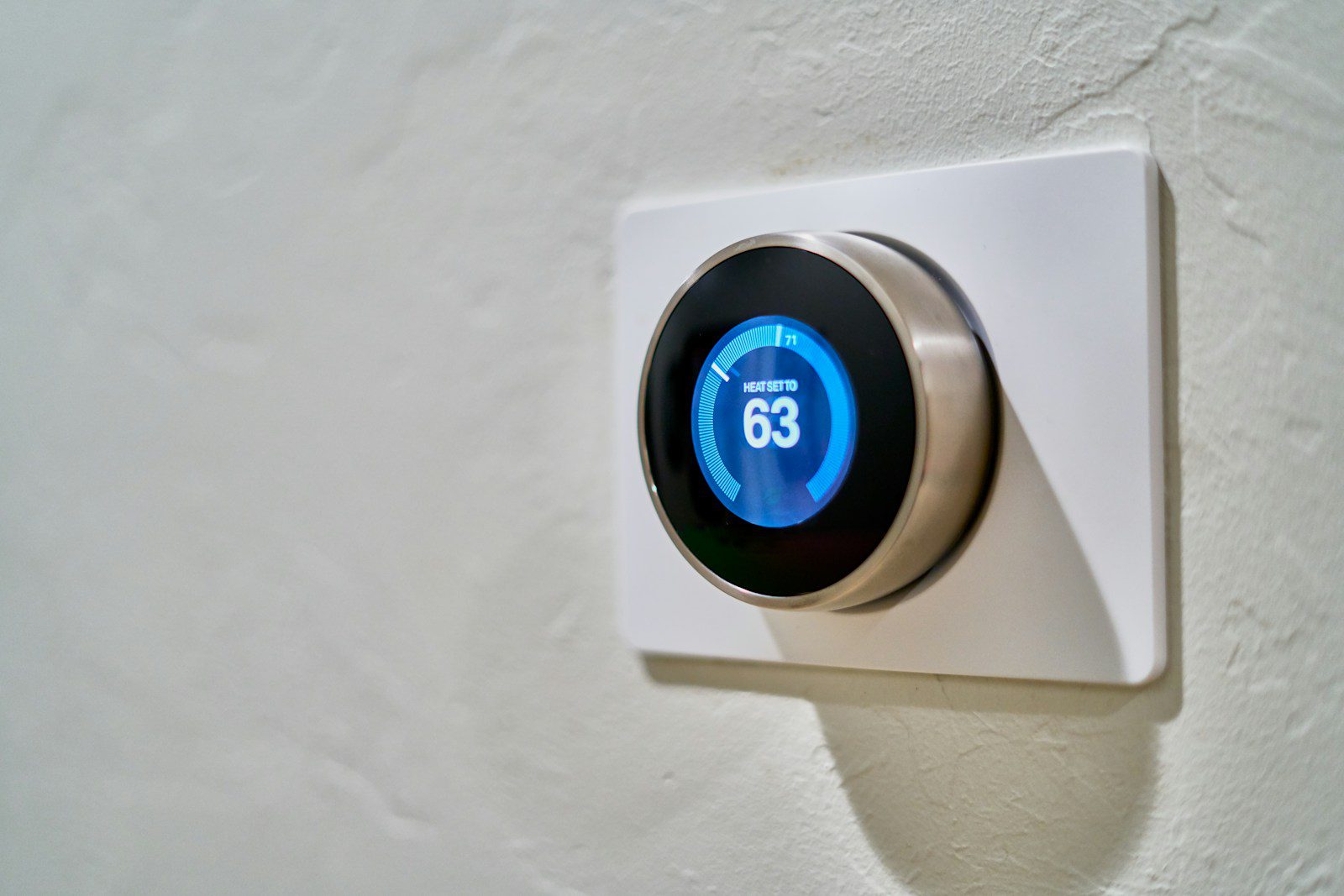
Switching to a programmable or smart thermostat trims about 8% off a typical heating and cooling bill, or roughly $50 a year, according to ENERGY STAR’s smart thermostat data. For the average American household, heating and cooling already eat up nearly half of the annual energy bill (more than $900 a year, per ENERGY STAR’s home energy data), which makes that 8% a meaningful chunk of real money for a device that costs less than a routine plumbing repair. And yet millions of homeowners with a perfectly programmable thermostat on the wall have simply never bothered to set a schedule, leaving the savings on the table year after year.
Why the Savings Are So Consistent
The math behind thermostat savings is simple: heating or cooling an empty house to the same temperature as an occupied one wastes energy for no benefit, and manually remembering to adjust the temperature every time everyone leaves or goes to bed is exactly the kind of small, repetitive task most people forget. A programmed schedule, or a smart thermostat that learns occupancy patterns automatically, removes the human factor entirely, quietly running a wider temperature swing during unoccupied hours without anyone having to think about it. ENERGY STAR’s figures reflect an average across households, so a family that’s away from home for long stretches during the workday, or one that’s diligent about wide setback temperatures at night, can see savings meaningfully above that 8% baseline.
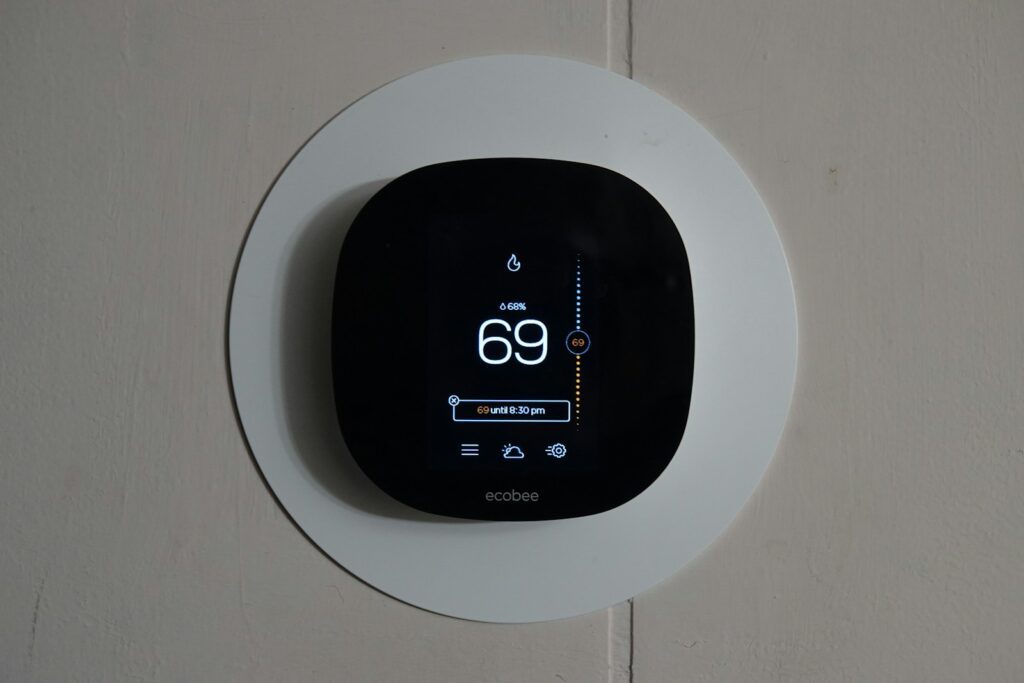
Cost of the Thermostat Itself
Thermostat installation costs vary widely by type, according to Angi’s cost data: a basic manual thermostat runs $20 to $80 including installation, a standard programmable model costs $50 to $150, and a smart Wi-Fi-connected thermostat runs $100 to $300 for the unit and installation combined. Professional installation labor alone typically runs $50 to $150 an hour, or a flat fee of $75 to $250, though many smart thermostats are designed for straightforward DIY installation that skips that labor cost entirely for anyone comfortable working with low-voltage wiring. Homes with older HVAC systems occasionally need a C-wire added for a smart thermostat to function, which can add to the installation cost if one isn’t already present.
The Real ROI
At $50 a year in savings against a $100-to-$300 smart thermostat purchase, payback lands in roughly two to six years depending on which model and installation route a homeowner chooses, and that’s before accounting for the years of savings that continue well past the payback point, since a smart thermostat’s useful life typically runs a decade or more. A basic programmable model, being cheaper upfront, pays for itself even faster, often within a single heating season, though it lacks the convenience features (remote control, occupancy learning, energy usage reports) that make smart models appealing beyond the raw savings math. Either way, the return compares favorably to almost every other home energy upgrade on a cost basis, simply because the upfront investment is so small.
Why So Many Go Unprogrammed
The gap between owning a programmable thermostat and actually using its scheduling features is a persistent and well-documented pattern in home energy behavior: plenty of households have one installed by a previous owner or a builder and never touch the default settings, effectively running it as a manual thermostat with extra buttons. Smart thermostats have partly closed that gap by automating the process instead of requiring homeowners to set a schedule themselves, since features like geofencing and occupancy sensors capture savings passively rather than depending on someone remembering to interact with a menu. For homeowners who already have a programmable model gathering dust, the fix costs nothing but ten minutes spent actually setting a schedule.
What connects the thermostat to nearly everything else on a home energy checklist is the same underlying pattern: the device or fix rarely fails at the technology level, it fails because nobody follows through on actually using what’s already sitting on the wall.
A Cheaper First Step
For anyone not ready to buy a new thermostat at all, the same savings logic applies to a manual habit: consistently setting the temperature back a few degrees during sleeping hours and while the house is empty captures much of the same benefit a programmable model automates, just without the convenience. It’s a reasonable stopgap for renters who can’t install new hardware, or homeowners waiting for their current thermostat to fail before replacing it. But the data consistently shows automated scheduling outperforms manual habit over a full year, since even disciplined households forget on busy mornings or late nights, which is really the whole case for spending $50 to $300 on a device that removes the need to remember at all.