


Emergencies can happen unexpectedly, and being prepared can make a big difference when the worst occurs. You don’t need a large stockpile of items, but having a select few essentials dedicated only for emergencies can help you stay safe and comfortable.
Knowing what specific things to keep just for emergencies ensures you’re ready without feeling overwhelmed. These items can cover a variety of situations and give you peace of mind, so you can focus on what matters most when time is critical.
Three-day supply of bottled water (1 gallon per person per day)
You should store at least one gallon of water per person each day for three days. This amount covers drinking, cooking, and basic hygiene needs during an emergency.
Keeping bottled water in its original container helps ensure it stays safe to use. Don’t open it until you actually need it.
If possible, try to have extra for anyone with special needs like children, pregnant women, or pets. A three-day supply is the minimum, but having more can give you peace of mind.
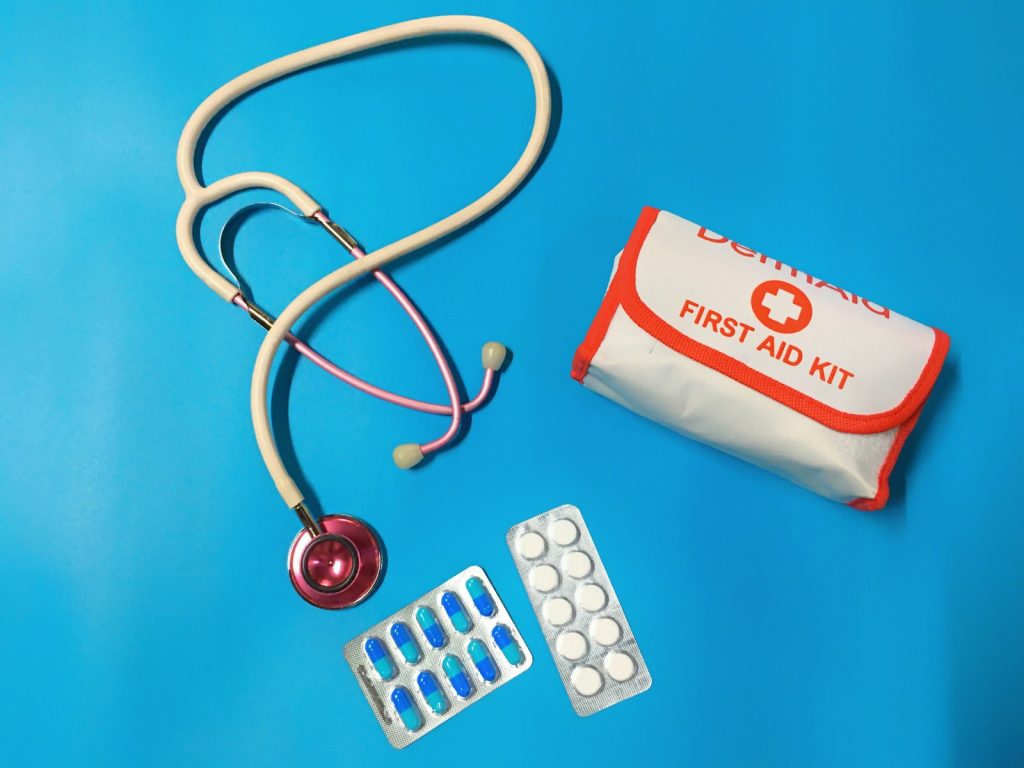
First aid kit with bandages, antiseptics, and pain relievers
You should keep a well-stocked first aid kit ready for emergencies. It should include various bandages to cover small cuts and larger wounds. Antiseptic wipes or ointments help prevent infection when you treat injuries.
Having pain relievers like ibuprofen or acetaminophen is helpful to manage discomfort. Scissors and tweezers come in handy for cutting bandages or removing splinters. Keeping these items accessible ensures you can provide quick care when needed.
Battery-powered or hand-crank emergency radio
You need a reliable way to receive news and weather updates during emergencies. A battery-powered or hand-crank radio is a great tool for this.
Battery-powered radios are easy to use but require spare batteries. Hand-crank models don’t need batteries, so you can generate power anytime by turning the crank.
Many radios now combine both, offering solar charging and USB ports to keep your phone powered. Choose one that fits your needs and always keep it accessible for emergencies.
LED flashlights with extra batteries
You’ll want an LED flashlight that’s reliable and bright enough for any emergency. LED lights use less power, so they last longer, which is a big plus during outages.
Keep extra batteries stored nearby to make sure your flashlight is always ready. Checking batteries regularly helps avoid surprises when you need the light the most.
Having a flashlight with spare batteries lets you stay prepared without rushing in the dark. It’s a simple step that makes a real difference in emergencies.
Non-perishable canned food and manual can opener
You should keep a variety of canned foods for emergencies because they last a long time without refrigeration. Items like canned beans, vegetables, and soups provide nutrition and require minimal preparation.
Be sure to have a manual can opener on hand. Electric ones may not work if the power goes out, so a manual opener helps you access your food anytime.
Store your canned goods in a cool, dry place to maintain their quality. Rotate them regularly to use older items first and keep your supply fresh.
Emergency whistle for signaling
An emergency whistle is a small, simple tool that can help you get attention when you need it most. Unlike shouting, a whistle’s sound carries much farther with less effort.
You can use it to signal for help if you’re lost or in danger. It works well in all kinds of weather and is easy to carry in your emergency kit.
Learning the right whistle signals can improve your chances of being found. Keep one close whenever you’re outdoors or preparing for emergencies.