


I’ve always looked for easy ways to cut down on my utility bills without completely changing my lifestyle. Over time, I discovered that making a few small adjustments around the house can have a surprisingly quick impact on lowering those monthly costs.
It turns out that simple changes can instantly reduce your utility bill without much effort or expense. These tweaks helped me save money while keeping things comfortable, and I’m excited to share what worked.
Sealing air leaks around doors and windows
I noticed that small gaps around my doors and windows were letting in cold air and making my heating work harder. Sealing these cracks really helped me keep the warm air inside.
I used weatherstripping and some caulk to fill in the gaps. It was a simple, quick fix anyone can do.
By sealing those leaks, my home felt more comfortable, and I started seeing savings on my energy bill almost right away. For detailed tips, I found this guide on sealing cracks around doors and windows really helpful.
Switching to LED bulbs throughout the house
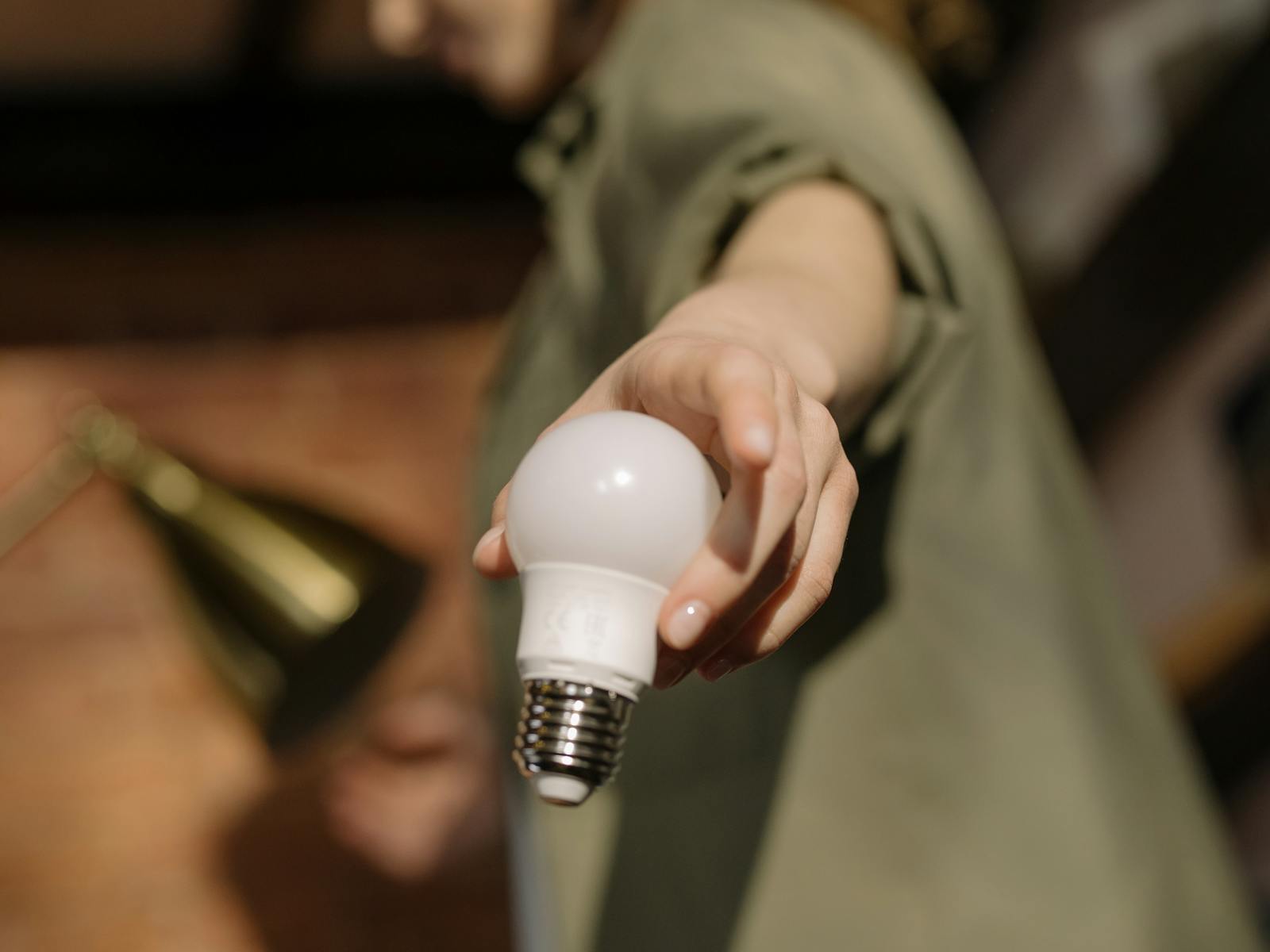
I replaced all the old bulbs in my home with LEDs, and the change was noticeable right away. These bulbs use way less energy—about 75% less than traditional incandescent ones.
Not only did my lights last longer, but my monthly electricity bill also dropped, saving me around $225 a year. Plus, the house feels cozier with the warmer light LEDs give off.
If you want to start saving without much effort, switching to LED bulbs is one of the easiest moves you can make. Learn more about how good LEDs are for cutting energy costs in this guide to switching to LED bulbs.
Installing a programmable thermostat
I installed a programmable thermostat and noticed my energy use dropped right away. It lets me set different temperatures for when I’m home, asleep, or away. This means my heating and cooling systems don’t run more than needed.
The install wasn’t as hard as I thought. I followed a clear step-by-step guide and used just a few basic tools. You can even override settings whenever you want without messing up your schedule.
It’s a simple upgrade that helps me keep the house comfy and saves money on my energy bills. If you’re looking to cut costs, getting one is definitely worth checking out. Learn more about installing a programmable thermostat from this step-by-step guide.
Unplugging unused electronics and chargers
I noticed my electric bill dropped just by unplugging devices when I wasn’t using them. Chargers and electronics keep drawing power even when idle. It’s called phantom energy, and it adds up over time.
Leaving chargers plugged in also risks overheating and wears them out faster. Unplugging them is a simple habit that cuts waste without any effort. I started unplugging TVs, gaming consoles, and my coffee maker too, which made a small but steady difference.
If you want a quick win, unplugging is low hassle and saves money every month. For more tips on why this works, check out this article on unplugging appliances saving electricity.
Using cold water for laundry
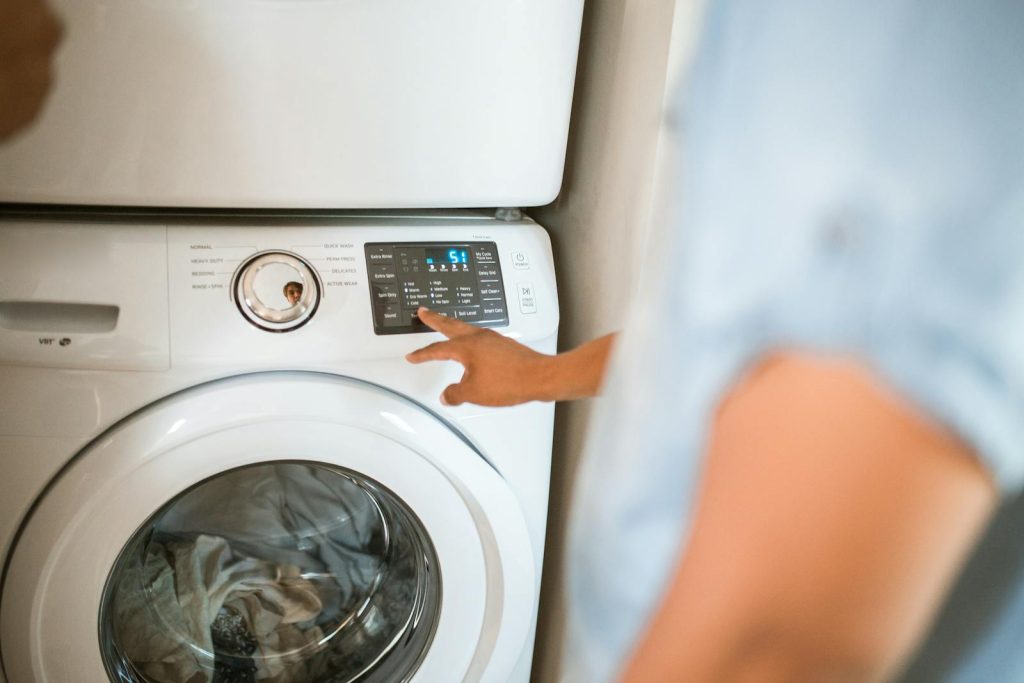
I switched to washing my clothes in cold water and noticed an immediate drop in my utility bill. Heating water uses a lot of energy, so cutting that out saves money right away.
Most of my clothes still come out clean, except for tough oily stains that might need warm water.
Cold water also helps clothes last longer since it’s gentler on fabrics. If you want to save money while keeping your laundry fresh, this change is worth trying. For more details, check out tips on using cold water to save on laundry.
Lowering water heater temperature to 120°F
I lowered my water heater temperature to 120°F and saw my utility bill go down pretty quickly. This simple change cuts energy use without messing with how much hot water I get.
Most heaters come set at 140°F, which is hotter than needed and wastes energy. Plus, lowering the temperature reduces the risk of scalding.
If you have a dishwasher that needs hotter water, keep in mind it might require a booster for best cleaning. For me, 120°F is just right and saves money.
You can easily adjust your heater to 120°F and start saving. Learn the right way to do it here.
Running full loads in the dishwasher and washing machine
I started running full loads in both my dishwasher and washing machine, and it really helped cut down on water and energy use. These machines use a fixed amount of energy and water per cycle, so doing half loads wastes resources.
Even running a half-full dishwasher can use more water than handwashing the same dishes, but fully loading it makes much more sense. It’s a small change that adds up over time and makes my utility bill drop noticeably.
I found some good tips on running full loads for better efficiency at watersecure.com.au.
Replacing old showerheads with low-flow models
I swapped out my old showerhead for a low-flow one, and it made a noticeable difference. These newer models use about 30-50% less water, so my water bill dropped pretty quickly.
The best part? The water pressure stayed comfortable. Some low-flow showerheads even boost the feeling of pressure without wasting water.
Installing one was easy, and it helped me save not just water but energy too since less hot water means lower heating costs. If you want a simple change that helps the environment and your wallet, this is a smart move. For more details on benefits and installation, check low-flow showerhead tips.