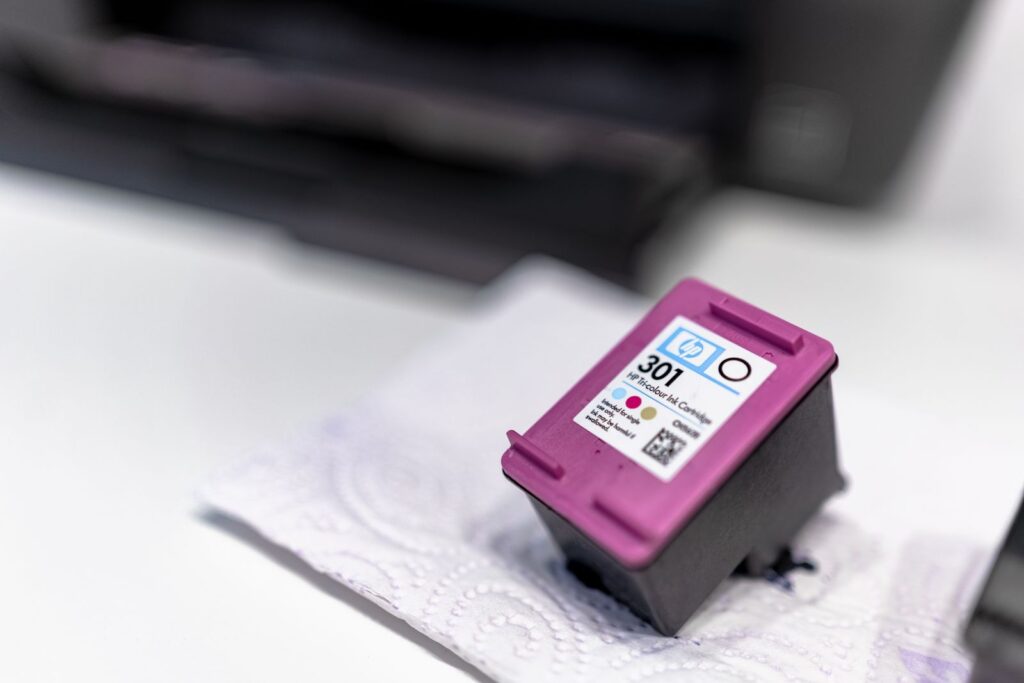
One mom decided to cancel her HP Instant Ink subscription, planning to use the genuine cartridges already installed in her printer. It seemed like a straightforward choice, especially with the looming price increase. However, she was caught off guard when she discovered that HP had remotely disabled every subscription cartridge the moment she stopped paying. Despite having genuine HP cartridges in her printer, she found herself unable to print.
This revelation left her feeling frustrated and confused. She had expected to finish the ink she had already purchased, but HP had other plans. Removing access to the cartridges felt like a bait-and-switch, as she felt trapped in a system that prioritized subscription services over basic functionality. Instead of being able to print her documents, she faced a reminder of why she had chosen to cut ties with the company in the first place.
People had very different reactions to her post. Some sympathized with her plight, expressing disbelief at HP’s practices. They pointed out that it seemed unfair for a company to disable functioning products just because a subscription was canceled. Others shared their own experiences with similar issues, suggesting that this was a tactic used to keep customers locked into service agreements.
Some Reddit users took a more direct stance, recommending that she find ways to hack her printer or seek third-party solutions. They mentioned various workarounds, such as using alternative ink suppliers or even resetting the printer to bypass the subscription lock. There was a sense of solidarity among those who felt they had been similarly wronged by big companies like HP.
On the other hand, some commenters defended HP’s policy, arguing that the business model is clear when users sign up. They felt that if customers were aware of the terms and conditions, they had no right to complain when those terms were enforced. This led to a lively debate about the ethics of subscription services in general, with opinions divided sharply.
As the conversation unfolded, one mom’s original frustration caught the interest of many. Some users pointed out that such practices discourage people from investing in the brand again, while others suggested that HP would lose more customers over time if they continued down this path. The idea of being locked out of one’s own printer highlighted a growing concern about how companies manage their relationships with customers.
Ultimately, this experience has left one mom wondering about the implications of canceling such subscriptions and how companies choose to enforce their policies. The entanglement with technology and service agreements can often leave consumers in a tight spot, questioning the ownership of their own devices. With technology evolving, the lines between ownership and service agreements seem increasingly blurry.
As discussions continued, it became clear that many people faced similar challenges, whether with printers, software, or other subscription-based products. The entire saga raised an unsettling question: how far can companies go with these tactics before customers push back? Is there a point where consumers will reclaim their rights over the products they buy?
More from Decluttering Mom: